 how-to
What Happens If Upholstery Is Not Cleaned Regularly
Table of Contents
- Why Regular Upholstery Cleaning Matters
- Signs Upholstery Needs Deep Cleaning
- How Dust, Dirt, and Grime Damage Upholstery Over Time
- How Often to Clean Upholstery: A Practical Schedule
- Health and Indoor Air Quality Effects
- How to Clean a Fabric Sofa Between Professional Cleanings
- Understanding Upholstery Cleaning Codes and Safe Methods
- The Cost of Neglect: Replacement vs. Regular Maintenance
- Frequently Asked Questions
Last Updated: October 12, 2026
Why Regular Upholstery Cleaning Matters
What happens if upholstery is not cleaned regularly? The answer affects your home's appearance, your family's health, and your furniture's lifespan.
Upholstery collects more than you see: dust settles into fibers, pet hair embeds deep, and crumbs fall between cushions.
Think of upholstery like a sponge: without regular cleaning it becomes saturated, the fabric weakens, colors fade, odors develop, and replacement becomes the only option.
Signs Upholstery Needs Deep Cleaning
Your furniture sends clear signals when it needs attention. Spotting them early helps you avoid permanent damage.
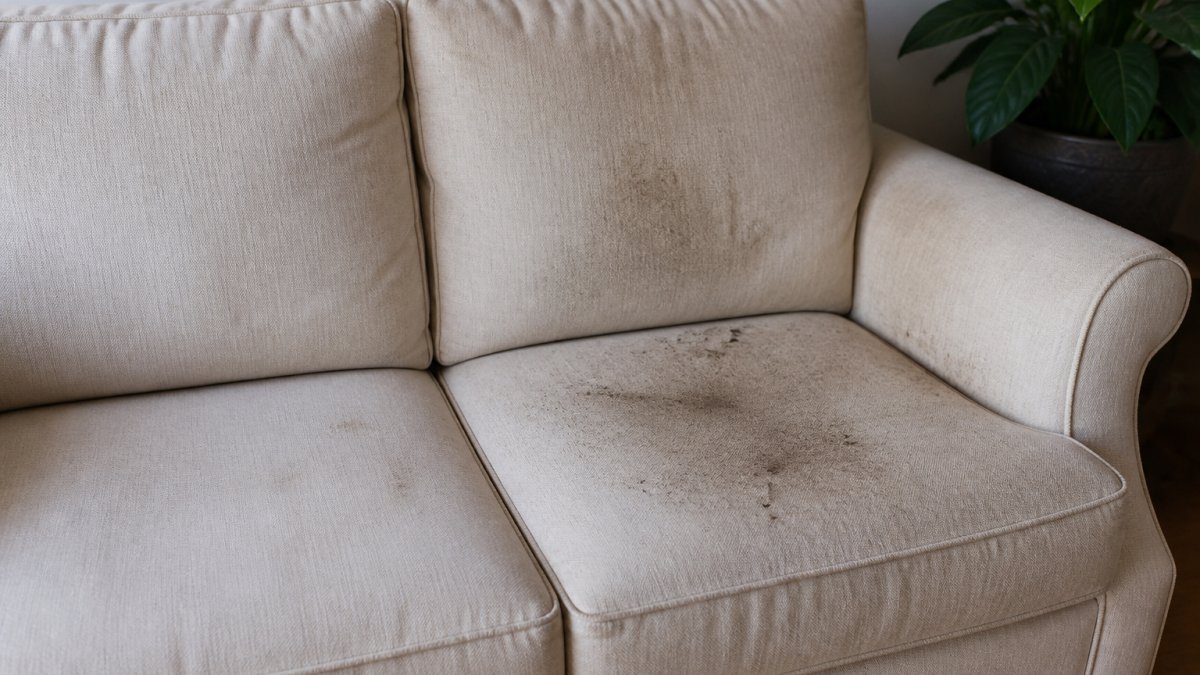
Visible dirt and darkening appear first.
Odors that won't go away mean bacteria and mold are growing inside.
Stains that set in become harder to remove over time.
Increased allergy symptoms often point to dirty upholstery, where dust mites thrive and their waste triggers reactions.
How Dust, Dirt, and Grime Damage Upholstery Over Time
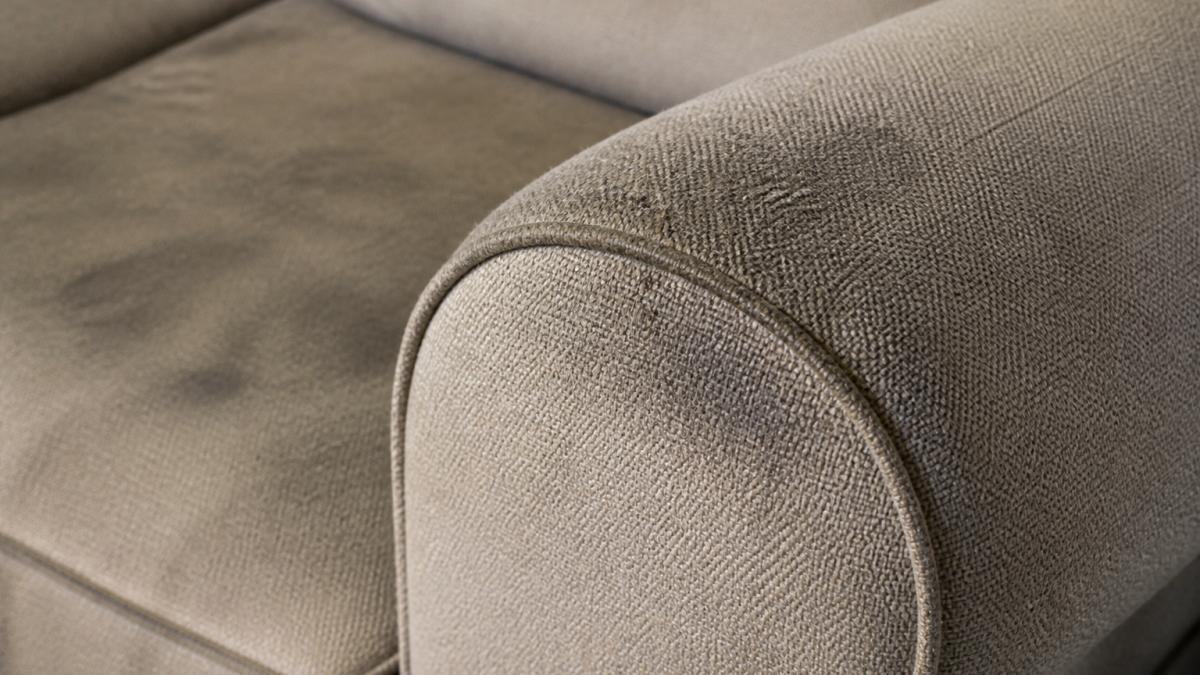
Embedded soil destroys upholstery fibers from the inside out, gradually enough to miss until it's too late. The same neglect produces different problems at week two, month six, and year three, and knowing that progression tells you when intervention still works.
The Mechanism: Why Soil Doesn't Stay on the Surface
When dirt sits on fabric, daily flexing grinds particles deeper into the weave. Over weeks and months, grit acts like sandpaper, cutting and fraying fibers from within.
Body weight accelerates this: every time someone sits, soil presses deeper, fibers stretch and weaken, and eventually they break.
Two forces drive soil downward:
- Mechanical pressure from sitting, standing, and shifting weight pushes particles past the surface yarns
- Capillary action pulls oils, sweat, and liquid residue into the fiber core, where they bind with dust and form a sticky film that traps more particles
That film is the turning point. Once oils bind dust to the fiber, vacuuming alone can't lift it. The soil has to be dissolved, not just agitated.
A Timeline of Neglect: What Happens Week by Week and Year by Year
Here's how damage actually unfolds in a typical household with daily use and no deep cleaning.
Months 2-6: Embedding and odor onset. Oils from hands, hair, and skin bind dust into the weave, darkening armrests and headrests first.
Years 2-4 and beyond: Irreversible damage. Fibers break at the structural level, fabric tears at seams, stains bond permanently, and odors penetrate the foam core.
Embedded Soil and Fiber Deterioration
Gravity, vibration, and pressure force particles into the fabric structure, where they become nearly impossible to remove with vacuuming alone.
This embedded dirt causes permanent damage: abrasive particles cut textile strands, fibers lose strength and elasticity, and the fabric becomes brittle and tears easily.
Over time the upholstery looks worn and aged, colors fade unevenly, and the texture turns rough, at which point replacement may be the only solution.
Pet Hair, Dander, and Allergen Buildup
Pet owners face a unique challenge: hair works its way into the weave and stays there, dander follows, and together they create a breeding ground for dust mites and bacteria.
Allergen levels rise as buildup increases. Pet dander proteins trigger reactions, and the longer they remain in your furniture, the worse the sneezing, breathing problems, and sleep quality become.
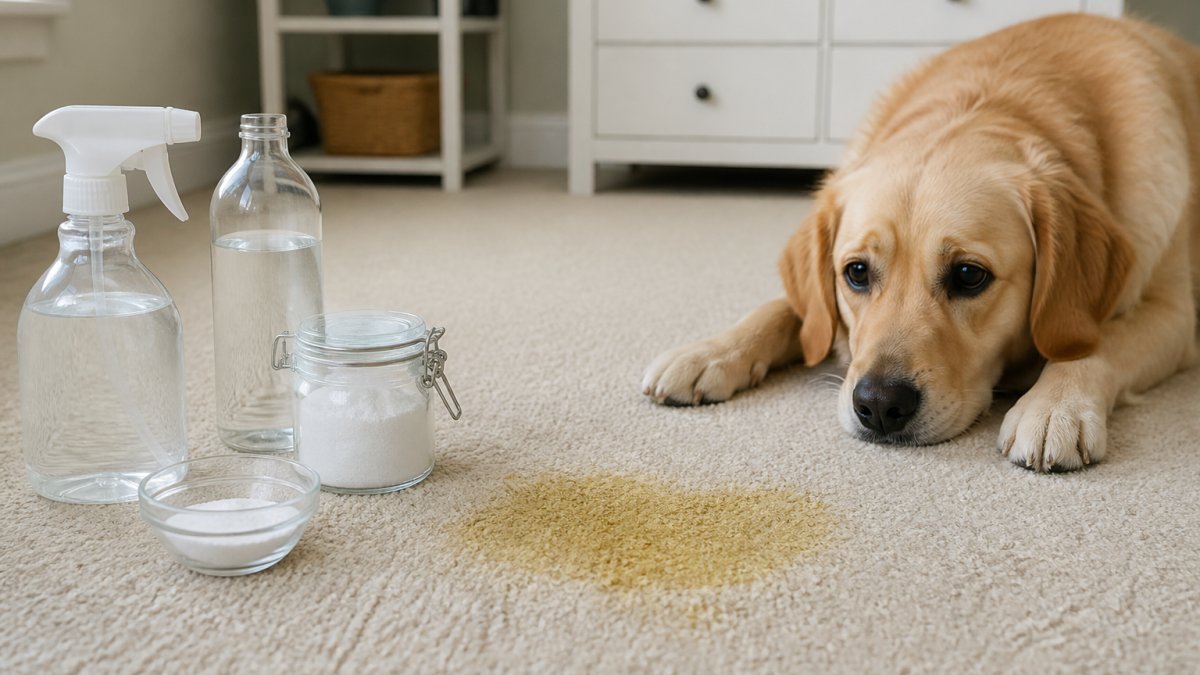
Pet accidents add another layer: urine soaks deep into cushions and creates odors surface cleaning cannot reach, which professional deep cleaning targets.
How Often to Clean Upholstery: A Practical Schedule
The right cleaning frequency depends on your household. More activity means more frequent cleaning needs.
Moderate-use homes (adults only, occasional guests) can extend cleaning to once per year, with regular vacuuming and spot cleaning in between.
Light-use furniture (guest rooms, formal seating) may need deep cleaning only every 18 to 24 months.
Between professional cleanings, maintain your upholstery with these steps:
- Vacuum weekly with an upholstery attachment
- Rotate cushions to distribute wear evenly
- Blot spills immediately with a clean cloth
This routine extends time between professional cleanings and prevents problems from becoming permanent damage.
Health and Indoor Air Quality Effects
Dirty upholstery affects more than appearance. It impacts the air your family breathes every day.
Mold and mildew grow in damp, dirty upholstery and release spores that cause respiratory problems and, in some people, serious infections.
Pet dander creates similar issues: its proteins provoke immune responses, and reactions intensify as levels rise, especially in homes with multiple pets.
Ventilation helps but isn't enough, opening windows reduces particles only temporarily, while deep cleaning removes the source.
How to Clean a Fabric Sofa Between Professional Cleanings
Daily maintenance prevents buildup, but only if it matches your fabric code and mess type. Here's a routine built around your care label, your spill type, and a clear line for when to call a professional.
Step 1: Check the Care Code Before Anything Else
Every upholstered piece carries a care label, usually sewn into a seam or under a cushion. The letter code tells you what's safe:
- W, water-based cleaners are safe. Mild soap and water work for spot cleaning.
- S, solvent-only. Water can cause rings, shrinkage, or browning. Use a solvent-based upholstery cleaner.
- WS, either water or solvent is acceptable.
If the label is missing, look up the model number with the manufacturer or test any product on a hidden area first, checking for color bleed, rings, or texture change after it dries.
Step 2: Vacuum Weekly, Both Sides
Vacuuming is your first line of defense. Use an upholstery brush attachment weekly on seams, crevices, and both sides of removable cushions. For pet hair, a rubber-bristle brush or lint roller lifts what suction misses.
Step 3: Triage Spills by Type, Not by Habit
Different spills need different responses. Treating them all the same is how stains set.
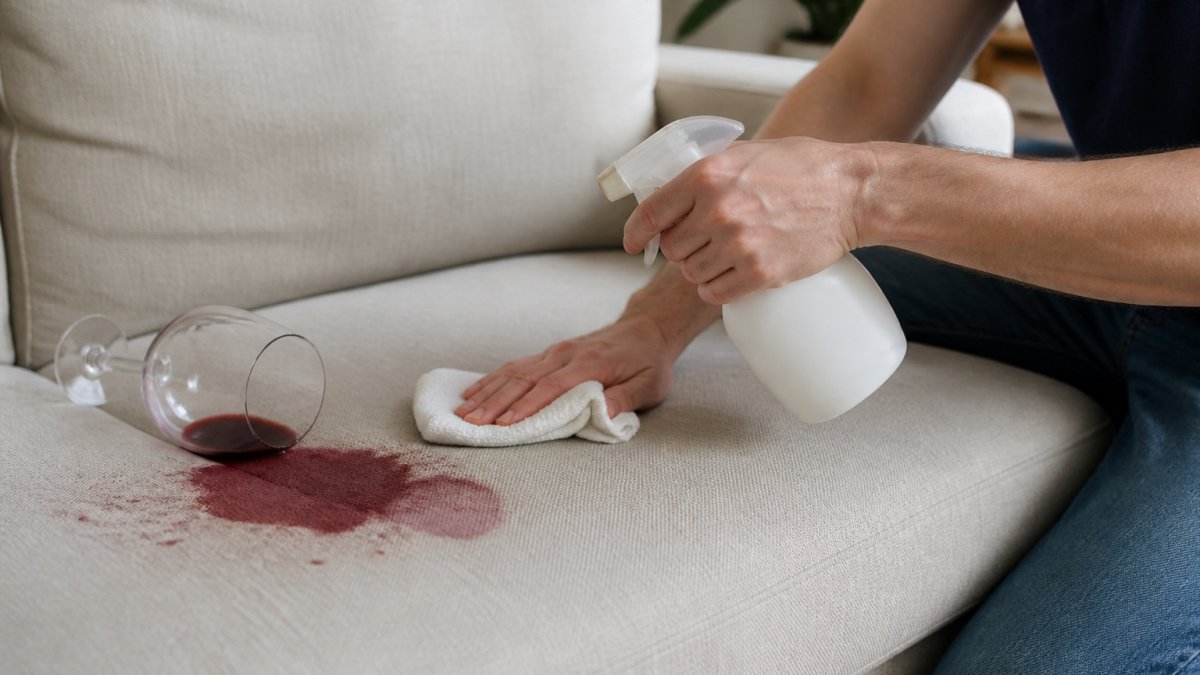
- Liquids (coffee, juice, wine): Blot immediately with a clean white cloth, working from the outside inward. Don't rub. For W and WS fabrics, follow with a cloth dampened in cool water and mild dish soap, then blot dry.
- Oily or greasy (food, lotion, makeup): Blot, then use a solvent-based cleaner on S and WS fabrics, water alone smears oil deeper.
- Protein-based (milk, urine, blood): Blot with cool water only, since hot water sets protein stains. Enzyme cleaners help, but check the care code first.
Step 4: Low-Risk Maintenance That Works on Almost Any Fabric
- Baking soda absorbs odors. Sprinkle on, wait 15 to 30 minutes, then vacuum. Safe on W, WS, and S fabrics as a dry treatment.
- Cushion rotation distributes wear evenly. Move cushions weekly so no single spot compresses and soils faster.
- Sunlight exposure on dry days freshens fabric and kills surface bacteria. Keep it brief, prolonged sun fades dyes.
Step 5: Know What to Avoid
- Never use hot water, it can shrink fabric and set stains
- Don't oversaturate; excess moisture causes shrinkage, rings, and mold
- Skip bleach entirely, it weakens and discolors fibers
When DIY Stops Working: Signs It's Time for a Professional
Home cleaning handles surface soil and fresh spills but doesn't extract what's already embedded. Call a professional when you see any of these:
- The musty or pet odor returns within days of cleaning
- Dark patches stay after vacuuming and spot treatment
- Water rings or browning appear after a DIY attempt
- The care code is S or X and the piece needs more than surface work
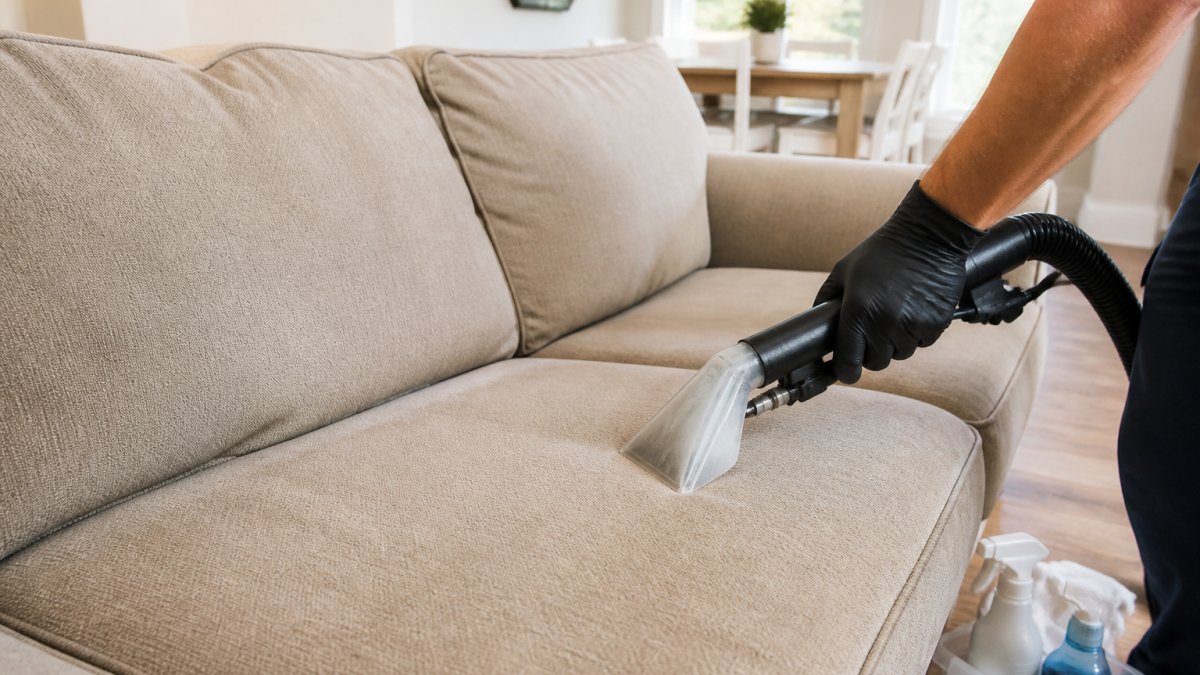
Professional cleaners extract embedded soil and moisture, the step home methods can't replicate, and the one that resets the clock on fiber wear and odor.
Understanding Upholstery Cleaning Codes and Safe Methods
Every upholstered piece carries a care label with a fabric code that tells you how to clean it safely.
Fabric codes use letters with specific meanings:
- W means water-based cleaning is safe; mild soap and water work for spot cleaning.
- S indicates solvent-only cleaning, water can damage these delicate fabrics.
- WS means both water and solvent methods are acceptable.
- X means vacuum only; no liquid cleaning at home.
Fabric type matters too, since materials respond differently to cleaning:
- Cotton and linen tolerate water-based cleaning but shrink if over-wet
- Wool needs gentle handling and low moisture
- Synthetic blends respond well to most methods
- Delicate fabrics like silk require professional care only
Professional cleaners know these distinctions, test solutions on hidden areas first, and use equipment that removes moisture quickly to prevent shrinkage and mold.
Professional cleaners assess fabric type and condition before choosing a method, so your furniture comes clean without damage.
The Cost of Neglect: Replacement vs. Regular Maintenance
The math is simple. Regular cleaning costs far less than replacement furniture.
A quality sofa or sectional costs thousands to replace, while professional upholstery cleaning costs a fraction of that, yet many homeowners skip cleaning to save money, then face replacement costs later.
At that point your options narrow to living with damaged furniture or replacing it, the only way to restore appearance and function.
This preventive approach costs less over time, extends your furniture's lifespan by years, maintains its appearance and comfort, and protects your family's health.
Consider the timeline:
- A quality sofa lasts 7 to 10 years with no maintenance before it becomes unusable
- With professional cleaning every 12 months, that same sofa can last 12 to 15 years
- The extra years offset the cleaning costs many times over
Budget-conscious homeowners benefit most: regular maintenance spreads costs across years, while replacement requires a large, immediate expense.
Frequently Asked Questions
What happens if you don't clean your sofa regularly?
Neglected upholstery accumulates dust, dead skin cells, pet dander, and food crumbs deep within the fibers. Over time, this embedded dirt abrades and weakens fabric, causing premature wear, discoloration, and darkening. Odors develop as bacteria and moisture settle into the material. In households with pets or allergy sufferers, the buildup accelerates indoor air quality problems. Professional deep cleaning every 12-24 months, combined with routine vacuuming, prevents this deterioration and extends your furniture's lifespan significantly.
How often should you clean upholstery to prevent damage?
Most households benefit from routine surface cleaning (vacuuming) every 1-2 weeks and professional deep cleaning every 12-24 months. Homes with pets, children, or allergy sufferers should aim for professional cleaning every 6-12 months. Light-colored or delicate fabrics may need more frequent attention. The key is addressing surface soil before it embeds into fibers, where it becomes harder to remove and causes lasting damage. Check your furniture's care label for fabric-specific recommendations.
Can dirty upholstery affect indoor air quality and health?
Yes. Dirty upholstery harbors dust mites, pet dander, dead skin cells, and allergens that circulate into the air you breathe, especially during daily use when movement releases particles. This buildup can worsen respiratory problems, allergies, and asthma symptoms. Poor ventilation traps these contaminants indoors. Regular cleaning removes these allergens and reduces the microbial load, improving indoor air quality. For households with allergy sufferers or young children, professional cleaning combined with routine maintenance is especially important for health.
What is an upholstery cleaning code and why does it matter?
Upholstery cleaning codes (W, S, WS, or X) appear on furniture care labels and indicate which cleaning methods are safe for your specific fabric. W means water-based cleaners are safe; S means solvent-based only; WS means either water or solvent; X means vacuuming and light brushing only. Using the wrong method can shrink fabric, cause over-wetting, or permanently damage the material. Always check your furniture's code before attempting any cleaning. When in doubt, professional cleaners know how to identify fabric type and apply the correct method safely.
Dirty upholstery affects your home's comfort, your family's health, and your furniture's lifespan. Sanctified Carpet & Upholstery Cleaning helps you maintain your investment with expert upholstery detailing and professional care. Our team uses safe, effective methods tailored to your fabric type and cleaning needs. Contact us to schedule a consultation and learn how regular maintenance can extend the life of your furniture while improving your home's indoor air quality.