 how-to
How to Remove Red Wine Stains From Upholstery
Table of Contents
- Act Immediately: Your First Response to a Fresh Red Wine Spill
- Understanding Your Upholstery Cleaning Code (W, S, WS, X)
- Household Cleaning Solutions That Work
- How to Remove Dried Red Wine Stains From a Couch
- Test Before You Treat: Colorfastness and Hidden-Area Testing
- When to Call Professional Upholstery Stain Removal Services
- Drying and Preventing Water Rings and Residue
- Frequently Asked Questions
Last Updated: October 10, 2026
Act Immediately: Your First Response to a Fresh Red Wine Spill
A fresh red wine spill demands quick action, learning how to remove red wine stains from upholstery in the first few minutes determines whether you'll remove it completely or set it permanently into the fabric.
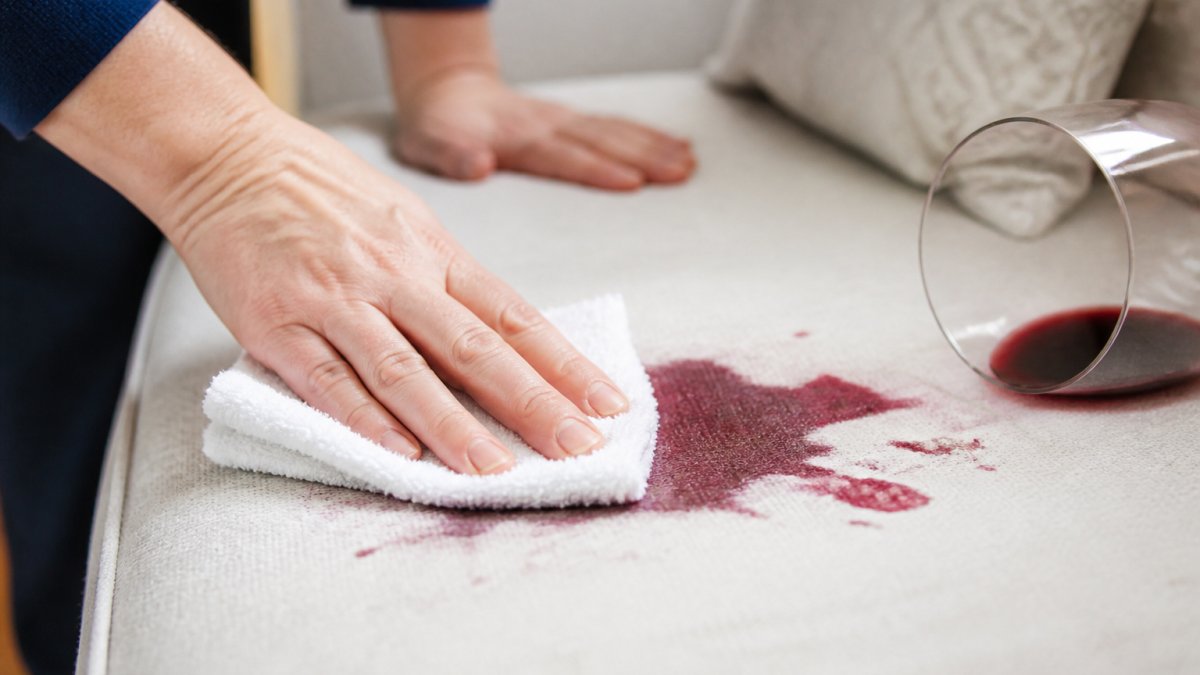
Blot, Don't Rub
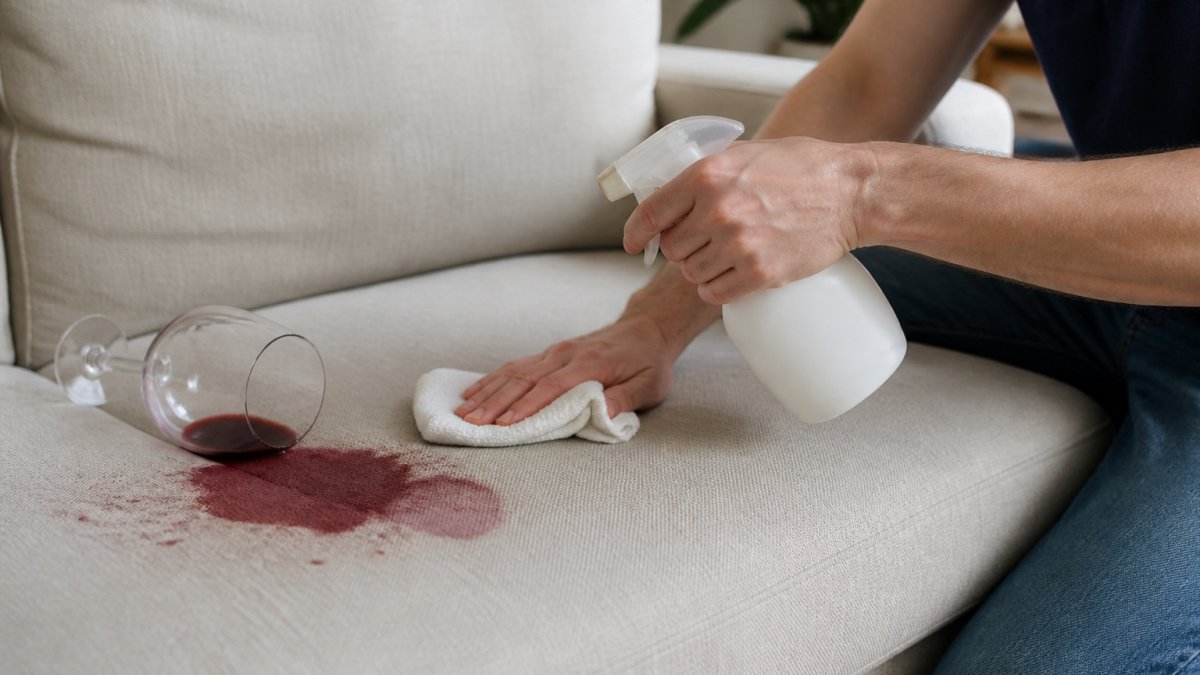
Most people scrub, but that's wrong. Blotting is far more effective because it lifts liquid out of the fabric without driving it deeper into the fibers.
Blotting absorbs liquid without pushing it deeper, prevents spreading, and preserves fabric texture. Use a white cloth, press firmly but gently, and work from the outer edges toward the center.
Absorb Excess Wine
Continue pressing clean white cloths onto the wet area, changing frequently until the cloth comes away nearly dry. This step alone prevents most fresh spills from becoming permanent stains.
Understanding Your Upholstery Cleaning Code (W, S, WS, X)
W, Water-based cleaners only. Safe for delicate fabrics that can't handle solvents.
S, Solvent-based cleaners only. Water will damage these fabrics. Use dry-cleaning solvents instead.
WS, Both water and solvent cleaners are safe. You have flexibility here.
X, No wet or solvent cleaning. Vacuum or brush only. Professional cleaning is your only option.
If marked X, do not apply any liquid, call a professional.
Household Cleaning Solutions That Work
Common household ingredients tackle red wine stains when applied correctly. Choose based on your upholstery's care code and the stain's age.
Salt as an Absorbent
Salt stops fresh stains from setting by drawing moisture out of the fabric through osmosis.
Best for: Fresh, wet spills on all fabric types (W, S, WS codes).
Process:
- Sprinkle table salt or kosher salt generously over the wet stain immediately, use enough to cover the entire stained area with a visible layer.
- Let it sit for 5-10 minutes. The salt will visibly turn pink or red as it absorbs the wine.
- Vacuum it up completely using a standard upright or handheld vacuum. Do not brush or wipe; vacuum only.
- If wine remains, repeat the salt application once more.
Why it works: Salt draws liquid out before tannins and anthocyanins can bond permanently. Limitation: Salt is ineffective on dried stains (after 24 hours), when compounds have already bonded to fibers.
Does Dawn Dish Soap Remove Red Wine Stains
Yes, when diluted properly and rinsed thoroughly. Dishwashing liquid breaks down wine compounds by reducing surface tension.
Best for: Fresh to moderately set stains on W-rated (water-safe) upholstery. Test on hidden areas first, especially on colored or delicate fabrics.
Process:
- Mix one teaspoon of Dawn (or similar mild dishwashing liquid) with one cup of cold distilled water in a spray bottle or bowl.
- Dip a white cloth into the solution, do not saturate it; the cloth should be damp, not dripping.
- Blot the stain repeatedly, pressing firmly for 3-5 seconds per blot. Work from the outer edges toward the center.
- After 5-8 blots, switch to a fresh cloth. Repeat until the cloth comes away nearly clean.
- Rinse immediately with a cloth dampened in distilled water only. Blot repeatedly with clean cloths until no soapy residue remains.
- Blot dry with fresh white cloths.
Why it works: Surfactants surround color molecules, allowing them to suspend in water and rinse away. Critical warning: Soap residue attracts dirt and worsens stains.
Baking Soda and Vinegar Treatment
Vinegar breaks down color compounds while baking soda neutralizes odors and absorbs residual moisture.
Best for: Moderately set stains (12 hours to 2 weeks old) on W-rated fabrics. Avoid on silk, wool, or S-rated (solvent-only) upholstery without professional guidance.
Process:
- Mix equal parts white vinegar and cold distilled water (for example, ½ cup vinegar + ½ cup water).
- Dip a white cloth into the solution and wring out excess liquid, the cloth should be damp but not dripping.
- Blot the stain for 30 seconds, pressing firmly. Repeat with fresh cloths until the stain begins to fade.
- Sprinkle baking soda generously over the damp area to cover it completely.
- Let it sit for 15 minutes. The baking soda will absorb remaining moisture and odor.
- Vacuum thoroughly with a handheld or upright vacuum. Do not brush.
- Rinse the area with a cloth dampened in distilled water only. Blot dry.
Why it works: Acetic acid oxidizes red pigments into colorless compounds; baking soda neutralizes odor. The vinegar smell fades within 24 hours with air circulation.
Hydrogen Peroxide for Stubborn Stains
Hydrogen peroxide breaks down color compounds more aggressively than vinegar and works best on light-colored upholstery.
Best for: Light-colored, W-rated upholstery with stubborn or set-in stains.
Critical step, Always patch test first:
- Find a hidden area (underside of a cushion, back corner, or inside armrest).
- Mix one part 3% hydrogen peroxide (standard drugstore strength) with two parts cold distilled water.
- Apply a small amount to the hidden area with a white cloth and press for 30 seconds.
- Wait 10 minutes and inspect. If the fabric's color has not changed and the texture is unaffected, proceed to the visible stain. If color has transferred to the cloth or the fabric appears lighter, do not use this method.
Process on visible stain:
- Mix one part 3% hydrogen peroxide with two parts cold distilled water.
- Dip a white cloth into the solution and wring out excess, the cloth should be damp, not saturated.
- Blot the stain gently for 5 seconds. Do not rub.
- Check the white cloth. If it shows red or pink, the stain is lifting. Continue blotting with fresh cloths every 5 seconds.
- After 8-10 blots, rinse the area thoroughly with distilled water and fresh cloths. Blot dry.
- If the stain remains, wait 24 hours and repeat. Hydrogen peroxide works gradually on set-in stains.
Why it works: Hydrogen peroxide oxidizes the stain's chromophores (color-bearing molecules), converting them into colorless byproducts that rinse away.
Caution: Hydrogen peroxide can bleach fabrics. Always test first. Do not use on dark or delicate fabrics without professional guidance.
How to Remove Dried Red Wine Stains From a Couch
Dried stains are harder because wine compounds have bonded chemically to fibers. Rehydrate, break down compounds, and lift them through repeated treatment.
Step-by-Step Process for Set-In Stains
Stage 1: Rehydration and Initial Lift (Day 1)
- Dampen the stained area lightly with cold distilled water using a spray bottle. Do not soak it; the fabric should feel damp, not wet.
- Sprinkle table salt over the damp area and let it sit for 10 minutes. Even on old stains, salt can pull out some remaining moisture and color.
- Vacuum thoroughly. If the stain has lightened, repeat steps 1-2 once more.
- If the stain remains after two salt applications, proceed to Stage 2.
Stage 2: Vinegar and Baking Soda Treatment (Day 1, after Stage 1)
- Mix equal parts white vinegar and cold distilled water (½ cup of each for a medium stain).
- Soak a white cloth in the solution and wring out excess liquid until it is damp but not dripping.
- Place the damp cloth directly on the stain and let it sit for 30 minutes. This allows the vinegar's acetic acid to penetrate and begin breaking down the dried color compounds.
- After 30 minutes, remove the cloth and blot the stain repeatedly with fresh cloths, pressing firmly for 5 seconds per blot.
- Sprinkle baking soda over the damp area and let it sit for 15 minutes.
- Vacuum thoroughly.
- Rinse with distilled water and fresh cloths until no vinegar smell remains. Blot dry.
Stage 3: Hydrogen Peroxide (Day 2, if stain persists)
If the stain is still visible after vinegar and baking soda, hydrogen peroxide may help, but only on light-colored upholstery.
- Patch test first on a hidden area (see the hydrogen peroxide section above for full testing instructions).
- If the test passes, mix one part 3% hydrogen peroxide with two parts cold distilled water.
- Dip a white cloth into the solution and wring out excess.
- Blot the stain gently for 5 seconds at a time. Switch to a fresh cloth after each blot.
- Continue for 10-15 blots. Hydrogen peroxide works slowly on set-in stains.
- Rinse thoroughly with distilled water and blot dry.
- Wait 24 hours and assess. Repeat if needed.
Stage 4: Enzymatic Cleaner (Day 3, if stain persists)
If the stain remains, an enzymatic cleaner designed for protein-based stains may help. Choose an upholstery-safe product, patch test first, apply sparingly, allow 15-30 minutes dwell time, rinse thoroughly, and blot dry.
When to Stop and Call a Professional
If you have completed all four stages above and the stain is still visible, professional cleaning is the next step. Continuing to treat the stain yourself risks damaging the fabric or driving the stain deeper.
Call a professional if:
- The stain covers a large area (more than 6 inches in diameter).
- Your upholstery is marked with an X care code (no liquid cleaning allowed).
- The fabric is delicate: silk, wool, linen, or a blend with these fibers.
Professional upholstery cleaners use industrial-grade equipment and have the expertise to assess whether a stain can be removed or if it has permanently altered the fabric.
Drying and Preventing Secondary Damage
After treatment, proper drying prevents water rings, sticky residue, and mildew.
- Use clean white cloths to press out as much moisture as possible. Do not rub; press and hold for 5 seconds, then move to a fresh cloth.
- Open windows and use a fan to promote air circulation. Avoid direct heat (hair dryers, radiators) as heat can set any remaining stain.
- If you used distilled water for rinsing, water rings are unlikely. If rings do appear after drying, dampen the area again with distilled water, blot gently, and air dry.
- Allow the upholstery to dry completely (typically 24-48 hours) before sitting on it or placing cushions back in place.
- If a musty odor develops, sprinkle baking soda over the area, let it sit for 24 hours, and vacuum thoroughly.
Test Before You Treat: Colorfastness and Hidden-Area Testing
Never apply any solution without testing first. Find a hidden area (underside of cushion, back corner, or inside armrest). Apply your solution and press for 30 seconds. Check for color transfer to the cloth or texture changes. If the test area looks fine after 10 minutes, the solution is likely safe. Always test, it takes two minutes and prevents permanent damage.
When to Call Professional Upholstery Stain Removal Services
Some stains are beyond DIY reach. If you've tried multiple treatments and the stain remains, professional cleaning is worth the investment.
Call a professional if:
- The stain covers a large area
- Your upholstery is marked X (no liquid cleaning allowed)
- The fabric is delicate, silk, or wool
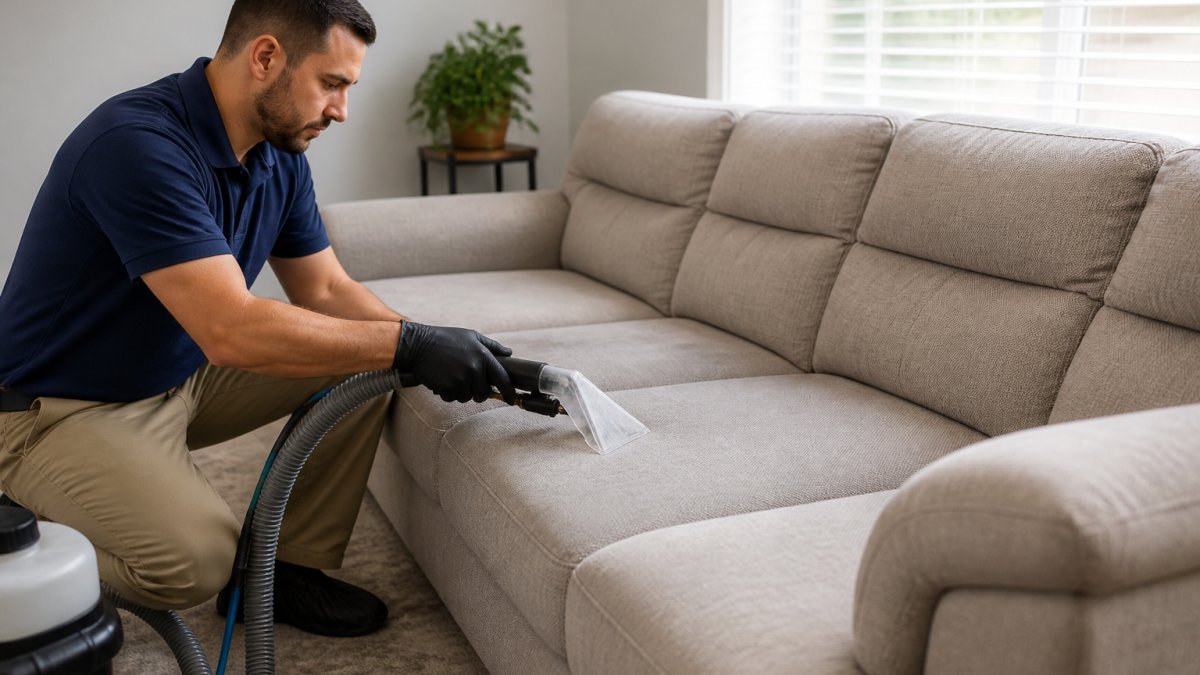
Professional cleaners have industrial equipment and specialized solvents that home methods can't match. Sanctified Carpet & Upholstery Cleaning uses professional-grade tools and solutions. The investment protects your upholstery and often costs less than replacing a stained couch.
Drying and Preventing Water Rings and Residue
After you've removed the stain, proper drying matters.
Once you've rinsed the area thoroughly, use clean white cloths to absorb as much moisture as possible.
Open windows if weather permits. Use a fan to speed drying.
Water rings appear when minerals in the water dry on the fabric surface.
If a ring does appear after drying, dampen the area with distilled water and a clean cloth.
Removing how to remove red wine stains from upholstery is manageable when you act fast and use the right technique. When unsure about your fabric's care code or the stain won't budge after treatment, Sanctified Carpet & Upholstery Cleaning offers expert upholstery detailing.
Frequently Asked Questions
Should you use hot or cold water on a red wine stain?
Use cold water only. Hot water can set the stain permanently by opening the fabric fibers and allowing the wine pigments to bond deeper into the material. Cold water helps prevent the stain from spreading and allows you to rinse away wine without locking it in. Always start with cold distilled water for rinsing, and avoid warm or hot solutions until the stain is completely gone.
Does Dawn dish soap remove red wine stains?
Yes, a diluted dishwashing liquid solution can help remove red wine stains from upholstery. Mix one tablespoon of Dawn or similar dishwashing liquid with two cups of cold water. Apply the solution with a white cloth, blot the stain, then rinse with clean cold water. This method works well for fresh stains on water-safe fabrics (marked with W or WS cleaning codes). Always test on a hidden area first to ensure it won't damage or discolor your specific upholstery.
Can baking soda remove red wine stains from upholstery?
Baking soda is effective for absorbing moisture and odor from red wine stains, especially when combined with vinegar. Sprinkle baking soda directly on the wet stain to absorb excess liquid, let it sit for 5-10 minutes, then vacuum it up. For dried stains, mix baking soda with a small amount of water to form a paste, apply it to the stain, let it dry completely, and vacuum. This approach works on most fabrics and is safe for natural fibers like cotton and wool.
When should you call a professional upholstery cleaner?
Contact a professional upholstery stain removal service if the stain remains after your first treatment attempt, if it covers a large area, if your upholstery has an S or X cleaning code (solvent-only or no-water cleaning), or if the fabric is delicate (silk, linen, or wool). Professionals have specialized equipment, professional-grade solutions, and expertise in fabric-specific care that can prevent damage. They're also essential for set-in stains that have dried completely or for valuable upholstered pieces you want to protect.