 how-to
How to Clean Delicate Upholstery Fabric at Home
Table of Contents
- Understand Your Fabric: Reading the Care Label and Upholstery Cleaning Codes Explained
- Prepare Your Upholstered Furniture Before Cleaning
- Best Tools for Cleaning Delicate Fabric
- Step-by-Step Cleaning Process for Delicate Upholstery
- Common Mistakes to Avoid When Cleaning Delicate Upholstery
- When to Call Professional Upholstery Cleaning Services
- Conclusion
- Frequently Asked Questions
Last Updated: October 8, 2026
Understand Your Fabric: Reading the Care Label and Upholstery Cleaning Codes Explained
Before you touch your upholstered furniture with any cleaning solution, you need to know what fabric you're dealing with, especially when learning how to clean delicate upholstery. The care label on your couch or chair holds the key to safe cleaning. Most people skip this step and end up damaging their furniture. Don't be that person.
Every piece of upholstered furniture comes with a tag that tells you exactly what cleaning methods are safe. This tag uses a simple code system that takes the guesswork out of how to clean delicate upholstery fabric at home. Understanding these codes prevents costly mistakes.
What the W, S, WS, and X Codes Mean
The upholstery cleaning code system uses four letters, each representing a different safe cleaning method:
W Code means water-based cleaners are safe. You can use mild soap and water solutions on this fabric without worry. This is the most forgiving code for DIY cleaning.
S Code means solvent-based cleaners only. These are dry-cleaning solvents, not water. Water will damage this fabric. If you see an S, skip the water entirely and use only specialized dry-cleaning products designed for upholstery.
WS Code means both water and solvent cleaners are safe. You have flexibility here. You can try either method, though water-based solutions are usually gentler and easier to use at home.
X Code means vacuum only. No liquids of any kind. This fabric requires professional cleaning or dry brushing. Attempting any wet cleaning will ruin it. When you see X, call a professional.
According to the Textile Care Labeling Rule from the Federal Trade Commission, manufacturers must provide accurate care instructions. These codes exist to protect both the fabric and your investment. Ignoring them voids any protection the fabric has.
Identifying Delicate Fabric Types
Delicate fabrics need extra caution because they're more prone to damage than sturdy cotton blends. Understanding your specific fabric type helps you choose the right cleaning approach.
Silk and velvet are among the most delicate. These fabrics can lose their sheen, develop water rings, or experience dye transfer when wet. Silk especially can shrink or become stiff if water temperature is wrong.
Linen and wool require careful handling. Wool can felt and shrink if exposed to hot water or agitation. Linen can weaken when saturated and take forever to dry. Both benefit from low-moisture cleaning methods.
Delicate synthetic blends like microfiber-silk mixes or specialty performance fabrics may have coatings that water can damage. Check the care label first. Some synthetics are tougher than they look, while others are surprisingly fragile.
The safest approach for delicate fabrics is to start conservative. Use less water, lower temperatures, and gentler motions than you would on sturdy upholstery.
Prepare Your Upholstered Furniture Before Cleaning
Preparation is half the battle. Rushing into cleaning without preparing your furniture wastes time and risks damage.
Start by vacuuming thoroughly with an upholstery attachment. This removes loose dust, crumbs, and debris that could spread around when you introduce moisture. Use gentle, slow strokes.
Check all crevices and seams where dirt collects. Dust settles in these areas and can turn into mud when you add water. Get it out first.
Remove any cushions or throw pillows. If the covers are removable, take them off.
Inspect the entire surface for stains or problem areas. Mark them mentally or with a small sticky note. This helps you focus your attention where it's needed most.
Test your cleaning solution on a hidden area first, like the underside of an armrest or the back of a cushion.
Let the test area dry completely before proceeding. Some damage only appears after drying. Give it at least 24 hours if possible.
Best Tools for Cleaning Delicate Fabric
Using the right tools makes cleaning easier and safer. The wrong tools can snag, stretch, or damage delicate upholstery.
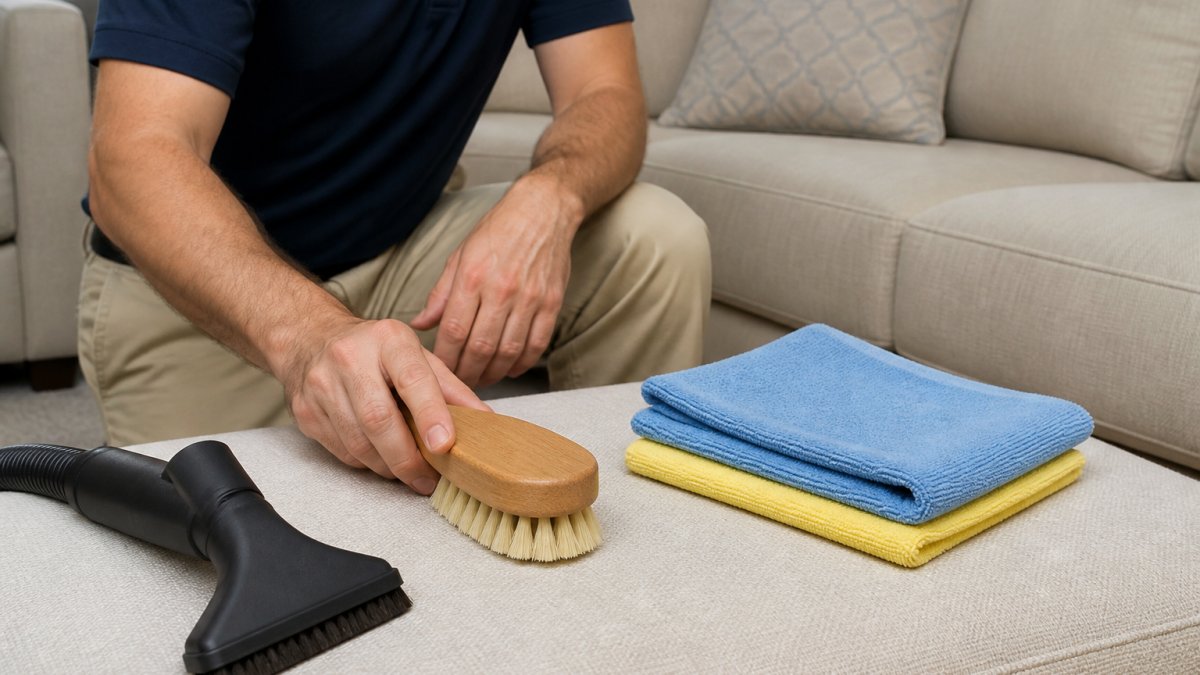
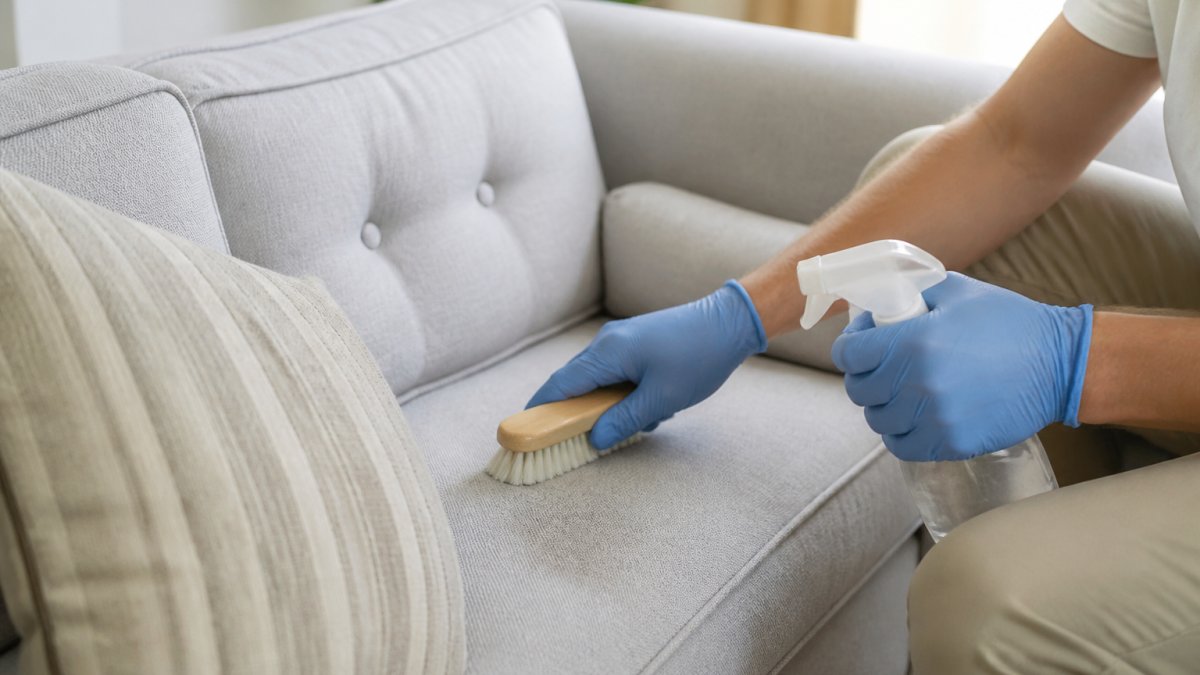
Soft-bristled brushes are your best friend for delicate fabric. Use a brush with natural bristles, not plastic. Soft bristles won't scratch or snag the fabric.
Microfiber cloths absorb moisture without leaving lint. They're perfect for blotting and wiping. Keep several on hand because you'll use them throughout the cleaning process.
Vacuum attachments designed for upholstery have softer heads than regular carpet attachments. These are essential for the initial vacuuming step.
Spray bottles let you control moisture precisely. Fill one with your cleaning solution so you can mist rather than soak.
Lukewarm water is your safest liquid. Hot water can set stains, damage some fabrics, and cause dye transfer. Cold water doesn't dissolve dirt as well. Lukewarm strikes the right balance.
Avoid harsh commercial upholstery cleaners unless your care label specifically allows them. These often contain strong chemicals that damage delicate fibers.
Step-by-Step Cleaning Process for Delicate Upholstery
Spot-Cleaning Stains
Spot cleaning tackles individual stains before they set permanently. Fresh stains are always easier to remove than old ones.
For liquid spills, blot immediately with a clean cloth. Don't rub. Rubbing spreads the stain deeper into the fabric and can damage fibers.
Mix a cleaning solution with a few drops of mild dish soap in lukewarm water. Test it on your hidden area first.
Blot with a damp cloth to remove soap residue. Then blot with a dry cloth. Repeat this rinse-and-blot process until the cloth comes away clean.
For set-in stains, the process takes patience. Apply your cleaning solution and let it sit for 10-15 minutes.
Baking soda can help with odors and some stains. Sprinkle it on the area, let it sit for 15 minutes, then vacuum it up.
Hydrogen peroxide works on some stains but test it first. It can bleach certain fabrics. Use a 3% solution diluted with equal parts water. Apply sparingly.
Gentle Full-Surface Cleaning
Full-surface cleaning refreshes the entire piece when it's looking dull or smells stale.
Vacuum the entire surface with your upholstery attachment. Use slow, overlapping strokes. Pay extra attention to seams, crevices, and areas where people sit most often.
Mix your cleaning solution: a few drops of mild dish soap in a spray bottle of lukewarm water. Spray lightly onto a cloth, not directly onto the furniture. Never spray directly on upholstery as this creates wet spots.
Work in small sections, about 2 feet square. Apply your damp cloth and gently wipe in the direction of the fabric nap. Use light pressure. Let the cloth do the work, not your elbow.
After each section, use a damp cloth with plain water to remove soap residue. This step is critical. Leftover soap attracts dirt and can leave a sticky residue.
Blot each section with a dry cloth. This removes excess moisture and speeds drying.
Drying Your Upholstered Furniture
Proper drying prevents mold, mildew, and musty odors. Rushing the drying process is a common mistake.
Open windows and increase air circulation. Use fans to direct air across the furniture. Good airflow is your best friend here.
Avoid direct sunlight on delicate fabrics. Sun can fade colors and damage fibers. Indirect natural light is fine.
Don't use a hair dryer or heat gun. High heat can shrink fabric and damage delicate fibers. Let air drying do the work.
The furniture should dry completely within 24-48 hours depending on humidity and airflow. In humid climates, this may take longer. Don't use the furniture until it's completely dry.
If you notice any water rings or texture changes after drying, they're usually temporary. Gently brush the area with a soft brush once it's completely dry. This can help restore the original texture.
Common Mistakes to Avoid When Cleaning Delicate Upholstery
Most damage happens because people skip the care label or use the wrong approach. Learn from others' mistakes.
Using too much water is the biggest error. Delicate fabrics shouldn't be soaked. Mist lightly instead.
Rubbing stains spreads them deeper. Always blot. Rubbing also damages fibers and can create fuzzing or pilling on delicate fabrics.
Ignoring the care label leads to expensive damage. That X code means don't use water. Period.
Skipping the test patch is risky. Testing takes five minutes and saves your furniture. Don't skip it.
Using hot water can set stains and damage fibers. Lukewarm water works just fine and is safer for delicate fabrics.
Mixing cleaning products creates unpredictable reactions. Stick to one solution. Never combine bleach with anything.
Not letting test areas dry completely before proceeding means you miss damage that only shows after drying. Wait the full 24 hours.
Over-scrubbing damages delicate fibers. Gentle pressure is all you need. Let the cleaning solution do the work.
When to Call Professional Upholstery Cleaning Services
Some situations require professional help. Knowing when to call saves money and prevents damage.
Antique or valuable furniture should be cleaned by professionals. These pieces often have special construction or rare fabrics that need expert handling.
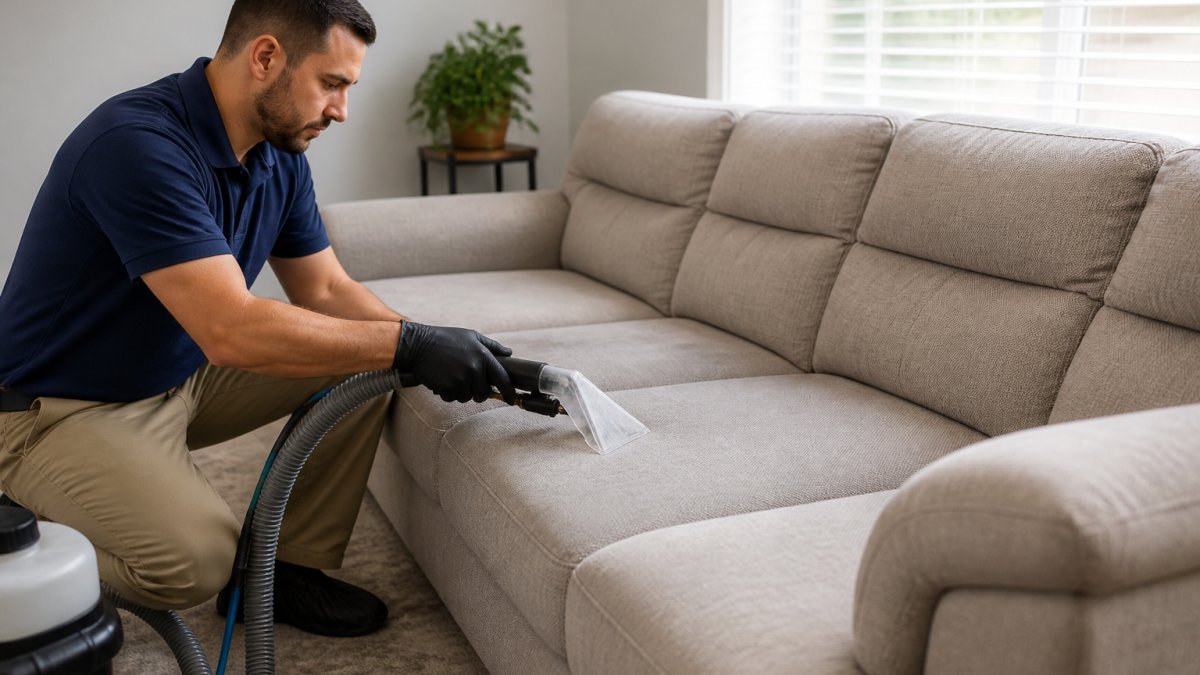
Heavily soiled furniture with deep-set stains, odors, or general grime benefits from professional equipment and expertise. Professionals have tools and solutions homeowners don't have access to.
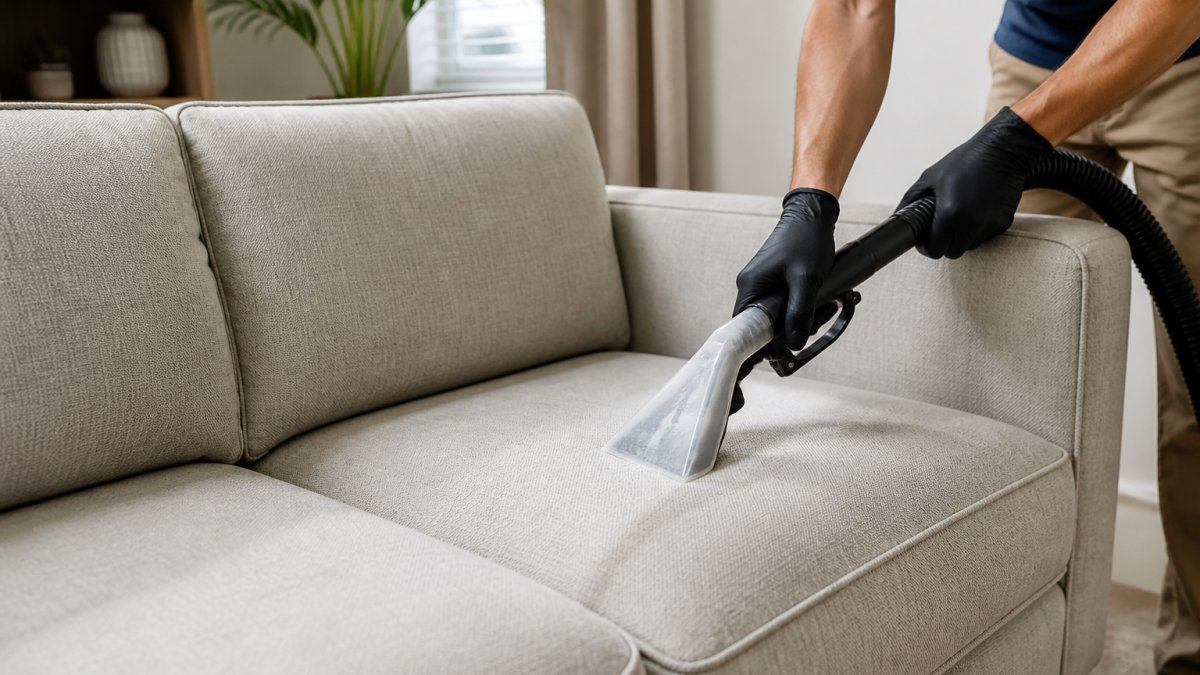
Large furniture pieces like sectionals or sleeper sofas are difficult to clean thoroughly at home. Professional equipment can deep clean without over-wetting.
Delicate fabrics you're unsure about should go to professionals.
Dye transfer or water ring problems sometimes need professional restoration. These issues require specialized techniques and products.
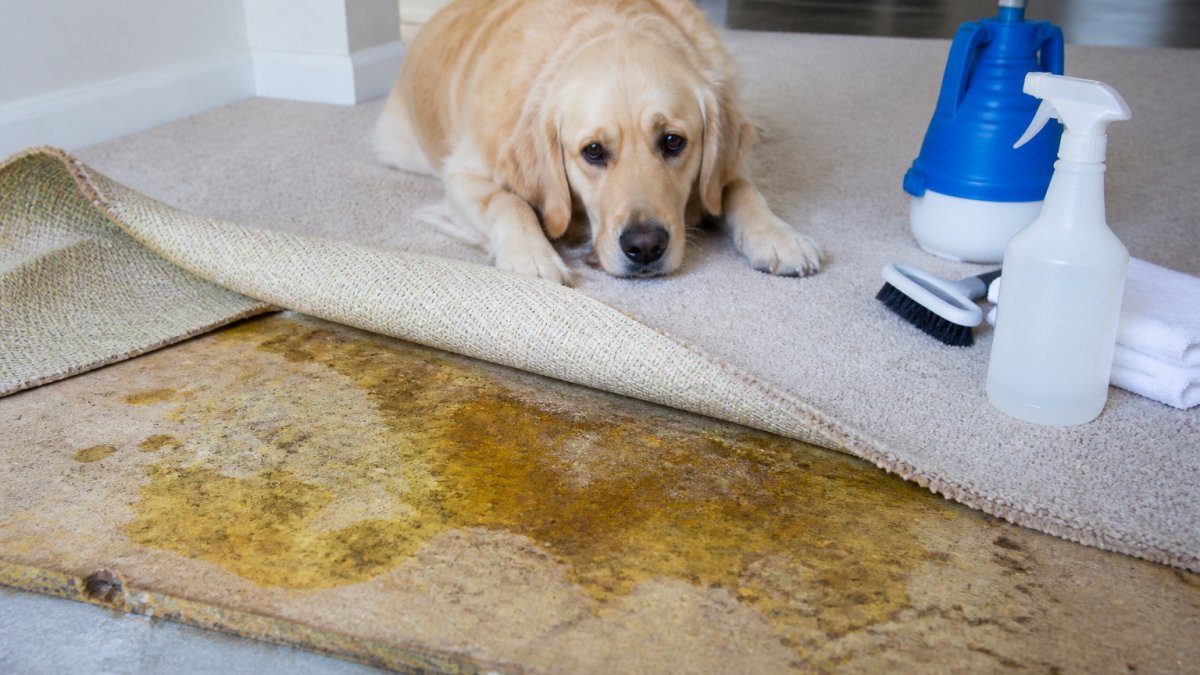
Odor problems that won't go away with baking soda and fresh air often need professional treatment. Professionals can identify the source and eliminate it properly.
At Sanctified Carpet & Upholstery Cleaning, our team understands the complexity of delicate fabrics.
Conclusion
Cleaning delicate upholstery at home is possible when you follow the care label, use gentle methods, and take your time. The care codes exist for a reason, they protect your investment. Water-based cleaning works well for most delicate fabrics, but solvent-only fabrics need professional attention. When in doubt, call Sanctified Carpet & Upholstery Cleaning. Our expert upholstery detailing and professional approach protect your delicate pieces while delivering the deep clean your furniture deserves. We offer bundle deals that make professional cleaning affordable, and our personable team will answer all your questions. Contact us for a quote on professional upholstery cleaning services and let us handle the fabrics you're unsure about.
| Upholstery Code | Safe Cleaning Method | Best For | Avoid |
|---|---|---|---|
| W | Water-based cleaners | Most cotton and synthetic blends | Dry cleaners, solvents |
| S | Solvent-based cleaners only | Delicate silks, some wools | Water, moisture |
| WS | Water or solvent cleaners | Flexible fabrics | Harsh chemicals |
| X | Vacuum and brush only | Antique, specialty fabrics | All liquids |
Frequently Asked Questions
What do the cleaning codes S, W, WS, and X mean on upholstery?
These codes tell you which cleaning solvents are safe for your upholstered furniture. W means water-based cleaners only; S means solvent-based cleaners only (no water); WS means either water or solvent is safe; X means vacuuming and light brushing only, no liquid cleaners at all. Check your care label before applying any cleaning solution to delicate upholstery.
Can I use water on delicate upholstery fabric?
Only if your care label shows a W or WS code. Fabrics with an S or X code should not be wet-cleaned at home. For delicate fabrics like silk or velvet that do allow water, use lukewarm water mixed with mild dish soap, test on a hidden area first, and avoid saturating the fabric. Blot gently rather than scrub.
How do I know if my upholstery fabric is delicate?
Delicate fabrics include silk, velvet, linen, wool, and some synthetic blends. Check your care label for the cleaning code, X codes indicate the most delicate materials. If your label says dry-clean only or shows an S code, treat it as delicate and avoid water-based cleaning at home. When in doubt, test any cleaning solution on a hidden seam or underside first.
When should I call a professional for upholstery cleaning?
Call a professional if your care label shows an S or X code, if you have set-in stains that home cleaning won't lift, if dye transfer has occurred, or if you're unsure about your fabric type. Professionals have specialized equipment and solvents for delicate materials and can handle complex stains safely. They're also the best option if you want to avoid the risk of water damage or texture changes.