 how-to
How Often to Clean Home Upholstery: A Practical Guide
Table of Contents
- How Often Should You Clean Home Upholstery
- Factors That Affect Your Upholstery Cleaning Schedule
- Upholstery Cleaning Frequency for Pet Owners
- Signs Your Furniture Needs Professional Cleaning
- Monthly Vacuuming and Spot Cleaning Maintenance
- Upholstery Cleaning for Sensitive Skin and Allergen Removal
- Deep Clean vs. Surface Clean: What Your Furniture Needs
- Frequently Asked Questions
Last Updated: September 27, 2026
How Often Should You Clean Home Upholstery
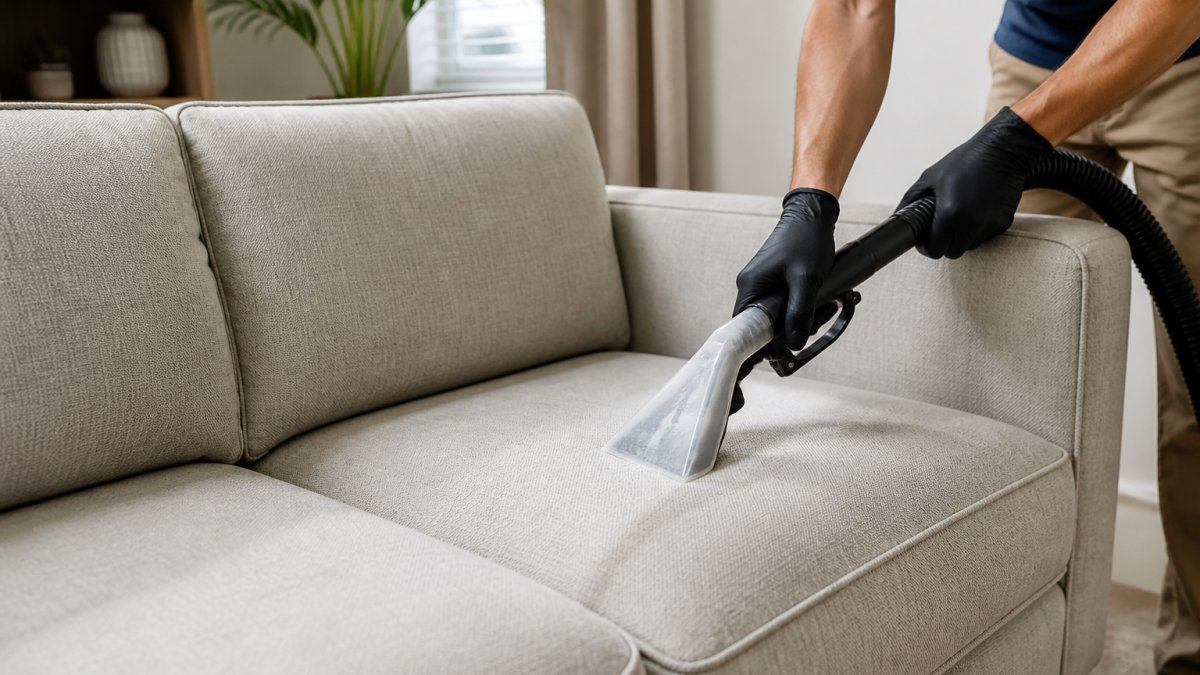
How often clean upholstery depends on your household situation. Most furniture manufacturers recommend professional cleaning every 12 to 18 months for typical household use. But if you have pets, kids, or heavy foot traffic, you'll need to clean more frequently. At Sanctified Carpet & Upholstery Cleaning, we help homeowners understand their specific cleaning needs so they can keep furniture fresh and extend its lifespan.
The right upholstery maintenance schedule protects your investment. Regular cleaning removes dust, allergens, and soil that accumulate deep in fabric fibers. Without a plan, stains set in, odors develop, and your furniture ages faster than it should.
This guide covers the recommended cleaning frequency for different household types. You'll learn what affects your cleaning schedule, how to spot when furniture needs professional attention, and what maintenance steps matter most between professional cleanings.
Factors That Affect Your Upholstery Cleaning Schedule
Several factors determine how often you need professional cleaning. Understanding these helps you create a realistic maintenance plan tailored to your furniture's specific needs.
Fabric type is the primary driver of cleaning frequency and method. Different materials respond differently to moisture, heat, and cleaning agents, which directly affects both how often you clean and what approach works best.
Microfiber fabrics are durable and stain-resistant, making them ideal for households with pets or children. Microfiber can typically handle professional cleaning every 12 to 18 months. Between cleanings, vacuum weekly and spot-clean with minimal water, microfiber absorbs moisture slowly, so oversaturation can cause water rings or mildew.
Leather requires the most conservative approach. Professional cleaning should occur only every 18 to 24 months, and only with leather-specific solutions. Over-cleaning strips natural oils and causes cracking. Monthly dusting with a soft cloth and occasional conditioning with leather cream is the safest maintenance routine. Avoid water-based cleaners entirely.
Velvet and silk are delicate and stain easily. These fabrics need professional cleaning every 6 to 12 months depending on use. Spot cleaning is risky, blotting with cool water only, never rubbing. Many velvet and silk pieces benefit from professional stain protection treatments applied during cleaning to extend intervals between deep cleans.
Linen and cotton blends fall in the middle. These natural fibers are moderately durable and typically need professional cleaning every 12 to 18 months. They respond well to water-based cleaning but can shrink if exposed to heat, so professional cleaners should use cool or lukewarm extraction methods.
Household traffic is the second major factor. Sofas in living rooms used daily accumulate more soil than guest furniture in bedrooms. High-traffic pieces need cleaning 6 months sooner than low-traffic pieces, regardless of fabric type.
Your household composition shapes cleaning needs significantly. A single person living alone may extend cleaning intervals by 6 months compared to a family with three children and two pets. Pet owners should reduce intervals by at least 6 months; multiple pets warrant cleaning every 6 months regardless of fabric type.
Environmental factors affect upholstery condition. High humidity (above 60%) accelerates dust mite populations and mold growth, requiring more frequent cleaning. Dry climates (below 30% humidity) can cause fabric brittleness but reduce allergen accumulation. Direct sunlight exposure fades fabric and can weaken fibers, but doesn't directly increase cleaning frequency. Poor indoor air quality from cooking, smoking, or industrial proximity increases soil accumulation and may warrant cleaning 3 to 6 months sooner than standard schedules.
Furniture age and warranty status also matter. New furniture under manufacturer warranty often has specific cleaning requirements; using non-approved methods can void coverage. Check your furniture's care tag and warranty documentation before scheduling professional cleaning, some manufacturers require only certified cleaners using specific extraction temperatures or solutions.
Upholstery Cleaning Frequency for Pet Owners
Pet owners face unique challenges. Animal hair embeds itself into fibers. Dander creates allergen buildup. Accidents leave stains and odors that surface cleaners can't reach.
According to Best Clean Plus's pet household cleaning guide, homes with multiple pets and young children should seek professional upholstery cleaning at least twice per year. This frequency manages dander, odors, and deep-set stains that regular vacuuming misses.
If you have one pet, aim for cleaning every 6 to 12 months. With two or more pets, professional deep cleaning every 6 months becomes essential. Without this schedule, pet odor compounds and becomes harder to remove.
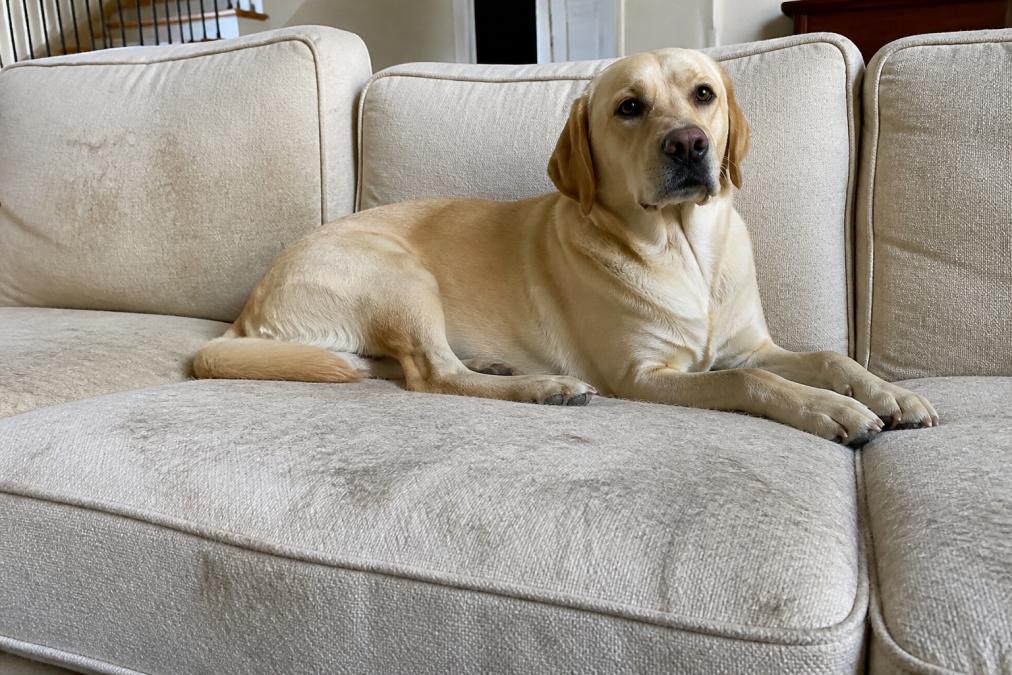
Between professional cleanings, vacuum weekly. Pay special attention to seams and crevices where pet hair collects. Use a pet-specific vacuum with strong suction. Spot-clean accidents immediately to prevent staining and odor setting.
Signs Your Furniture Needs Professional Cleaning
Don't wait for your scheduled cleaning if these signs appear. They indicate your furniture needs immediate attention.
Visible stains that won't come out with spot cleaning signal deeper soiling. Surface stains suggest embedded dirt below. Professional extraction reaches where home cleaning cannot.
Odors that persist despite vacuuming mean bacteria and mold are growing in the fibers. Odor removal requires deep cleaning with specialized solutions.
Discoloration across the fabric indicates soil accumulation. Areas where people sit regularly show darker patches. This buildup dulls the fabric's appearance and weakens fibers over time.
Sticky or stiff fabric means residue from spills or cleaning products has built up. The fabric feels unpleasant and looks dull. Professional cleaning restores softness and appearance.
Visible dust and debris embedded in seams and piping show that vacuuming alone isn't enough. These areas trap allergens and dirt that regular maintenance misses.
When you notice any of these signs, contact a professional. Early cleaning prevents permanent damage and extends your furniture's life.
Monthly Vacuuming and Spot Cleaning Maintenance
Regular maintenance between professional cleanings keeps upholstery fresh and prevents soil from becoming permanent. However, improper maintenance can damage fabric and void manufacturer warranties, so understanding the right technique for your specific material is critical.
Vacuuming frequency and technique vary by fabric type. Vacuum high-traffic pieces weekly and low-traffic pieces monthly. Use an upholstery attachment with adjustable suction, most upholstered furniture requires gentle suction to avoid pulling fibers or creating pilling.
For delicate fabrics like velvet, silk, or linen, use the lowest suction setting and a soft brush attachment. Vacuum in the direction of the nap (the way fibers naturally lay). Vacuuming against the nap can damage the surface and create visible wear patterns.
For durable synthetics like microfiber, use medium suction and a standard upholstery brush. Pay special attention to seams, piping, and crevices where dust and pet hair accumulate. These areas trap allergens and dirt that regular surface vacuuming misses. Use a crevice tool to reach into tight spaces without damaging fabric edges.
For leather, skip the vacuum entirely for routine maintenance. Instead, use a soft, dry cloth to wipe the surface weekly. Vacuuming can scratch leather or force dirt into pores. Only vacuum leather if absolutely necessary, and only with the lowest suction setting and a soft brush.
Spot cleaning requires immediate action but careful technique. The faster you treat a spill, the less it sets into fibers.
Upholstery Cleaning for Sensitive Skin and Allergen Removal
Upholstered furniture traps allergens that aggravate sensitive skin and respiratory issues. Professional cleaning removes these irritants effectively.
Deep Clean vs. Surface Clean: What Your Furniture Needs
Understanding the difference between deep cleaning and surface cleaning helps you choose the right approach.
Frequently Asked Questions
How often should you professionally clean upholstered furniture?
The IICRC recommends professional upholstery cleaning every 12 to 24 months for most households. However, frequency depends on usage and household composition. High-traffic furniture like family room sectionals should be cleaned every 6 to 12 months. Homes with multiple pets and young children benefit from professional cleaning at least twice per year. For households without pets or children, once every 12 to 18 months is the accepted industry standard.
What are the signs that your couch needs a deep cleaning?
Your upholstery needs deep cleaning when you notice visible stains, persistent odors, dull or discolored fabric, or increased dust and allergens. Pet owners should watch for lingering pet odors and visible pet hair embedded in fibers. If regular vacuuming no longer refreshes the appearance or you experience allergy symptoms worsening indoors, professional deep cleaning can restore both the look and health of your furniture.
How do pets and children impact upholstery cleaning frequency?
Pets and children significantly increase cleaning needs. Homes with multiple pets and young children should seek professional upholstery cleaning at least twice per year to manage dander, odors, and deep-set stains. Pet accidents, spills, and tracked-in dirt accelerate soil accumulation. Children contribute to stain buildup and allergen concentration. Regular vacuuming weekly and spot cleaning as needed help extend the time between professional cleanings, but more frequent professional intervention is essential for these households.
Can professional cleaning help with household allergens and dust mites?
Yes. Professional upholstery cleaning removes dust mites, pet dander, and allergen buildup that regular vacuuming cannot eliminate. Deep cleaning through professional extraction methods sanitizes fabric fibers and reduces allergen concentration. For allergy sufferers, professional cleaning combined with weekly vacuuming creates a cleaner indoor environment. Homes with sensitive skin conditions or respiratory concerns benefit from regular professional cleaning to maintain healthier indoor air quality.
Your upholstery deserves a maintenance plan that fits your household. Whether you have pets, kids, allergies, or simply want to protect your investment, professional cleaning keeps furniture fresh and extends its lifespan. Sanctified Carpet & Upholstery Cleaning offers professional upholstery detailing with very reasonable pricing and bundle deals that fit your budget. Contact us today to schedule your cleaning and discover how expert care transforms your furniture.