 listicle
Expert Upholstery Detailing Services: 2026 Guide
Table of Contents
- What Professional Upholstery Detailing Services Include
- Cost of Car Upholstery Detailing and What Affects Pricing
- Best Practices for Interior Car Care Between Professional Cleanings
- Upholstery Cleaning for Sensitive Skin: Safe Methods and Products
- DIY vs. Professional Upholstery Care: Why Professionals Deliver Better Results
- How to Choose the Right Upholstery Detailing Service
- Frequently Asked Questions
Last Updated: August 31, 2026
What Professional Upholstery Detailing Services Include
Professional upholstery detailing services go far beyond vacuuming. At Sanctified Carpet & Upholstery Cleaning, we understand that expert upholstery detailing services require specialized knowledge, equipment, and techniques tailored to each fabric type. The process typically begins with fiber identification, determining whether you're working with natural fabrics like wool or cotton, synthetics like polyester, or delicate materials like silk or leather. This step is critical because the wrong cleaning method can damage fibers permanently.
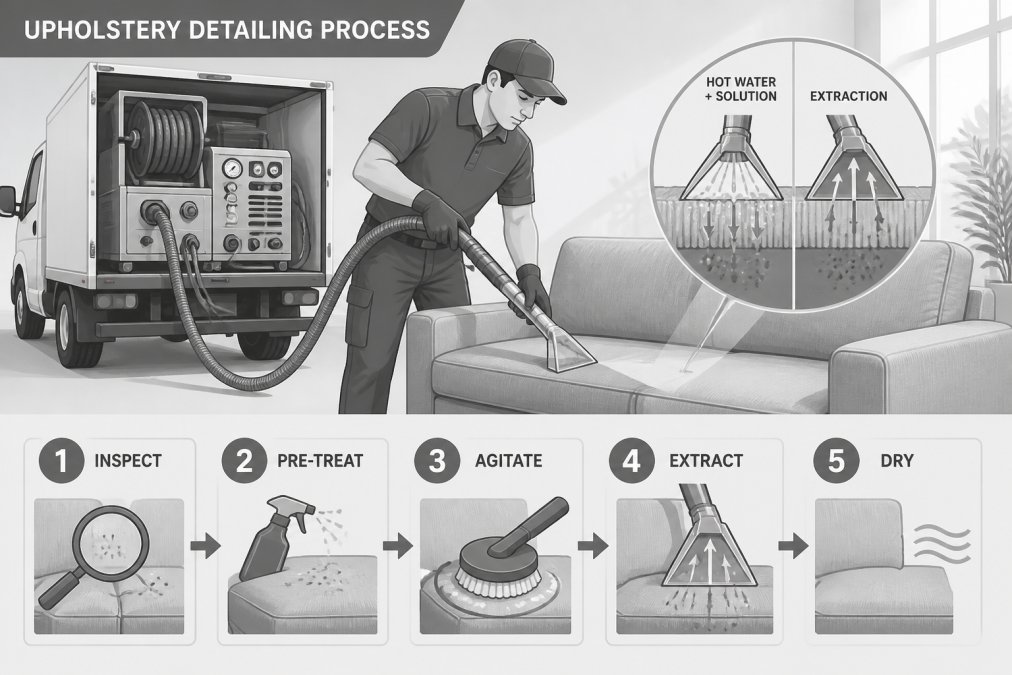
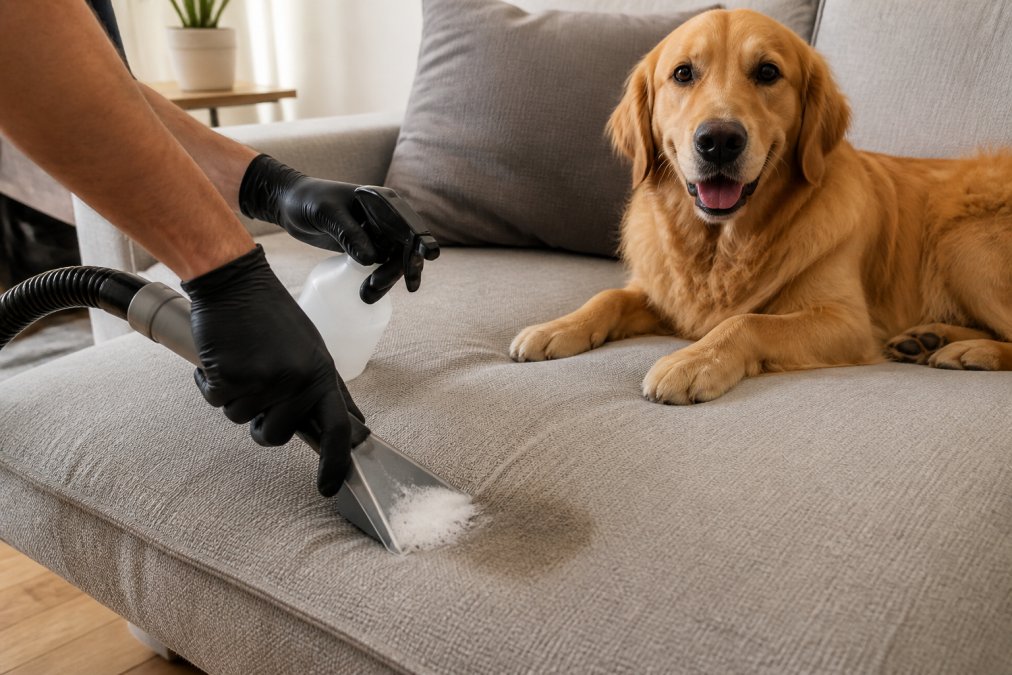
Once fibers are identified, professionals apply targeted pre-treatment solutions to break down embedded soil, pet accidents, and stains. For organic stains like pet urine, bio-enzymatic treatments work at the molecular level to eliminate odors that regular cleaning cannot touch. According to research on allergen removal from the Carpet and Rug Institute, professional cleaning can remove up to 90% of allergens present in upholstered surfaces, a significant improvement over DIY methods.
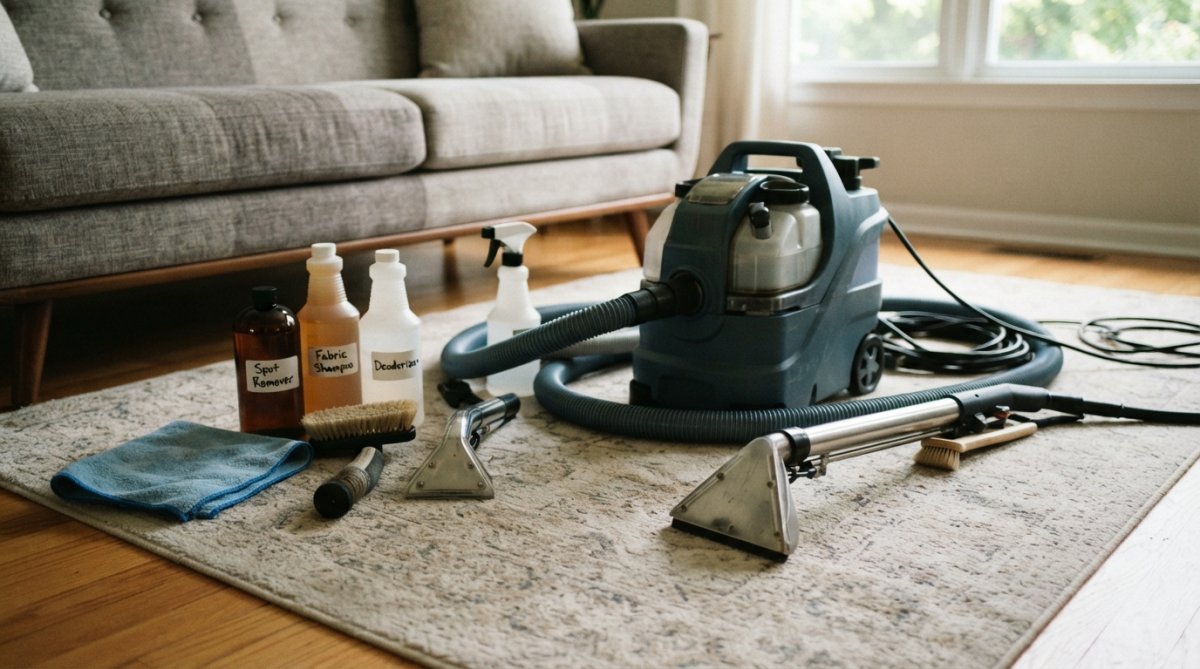
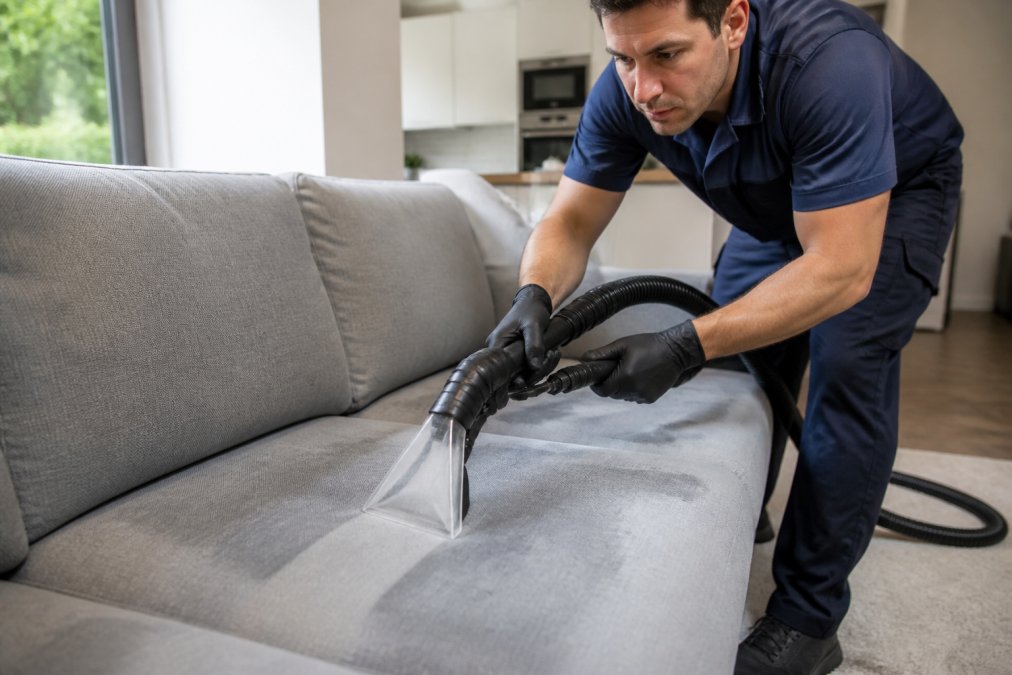
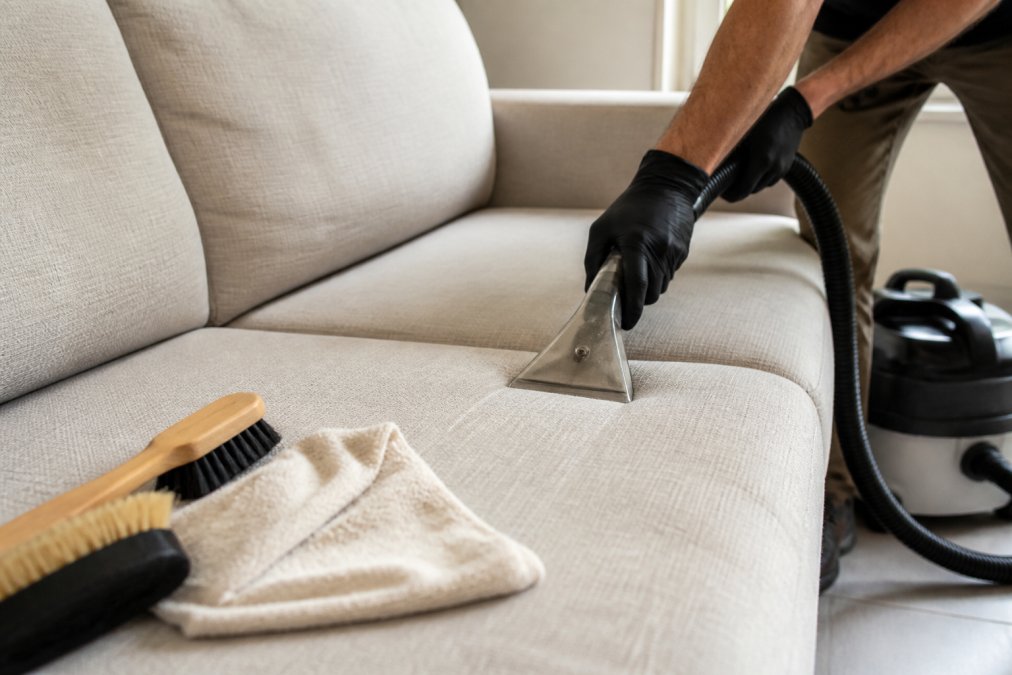
The extraction phase uses hot water at precise temperatures combined with truck-mounted or portable extraction equipment. This isn't the same as rental machines from hardware stores. Professional-grade equipment applies cleaning solution under pressure while simultaneously extracting moisture, leaving upholstery cleaner and drier. The final step includes deodorization, fabric protection application, and immediate drying acceleration to prevent water rings or mildew.
Cost of Car Upholstery Detailing and What Affects Pricing
Pricing for professional upholstery detailing services depends on several interconnected factors that determine the scope and complexity of work required. Rather than quoting specific prices here, we recommend contacting Sanctified Carpet & Upholstery Cleaning directly for a personalized estimate, as costs vary based on your specific situation.
The primary variables affecting cost include furniture size and type, fabric composition, soil level, and the extent of staining or odor issues. A single upholstered chair requires different treatment than a sectional sofa. Delicate fabrics demand specialized care that costs more than hardy synthetics. Heavy pet odor or multiple stains require extended pre-treatment time and sometimes multiple extraction passes.
Your location within the service area also influences pricing. Sanctified Carpet & Upholstery Cleaning serves Toms River and Ocean County with professional detailing that fits reasonable budgets. Bundle deals make sense when you're cleaning multiple pieces of furniture or combining upholstery work with carpet cleaning, these packages typically offer better value than individual service calls.
The market context shows strong growth in this sector. The specialized cleaning services segment held a 15% share of the market in 2025 and is expected to grow at the fastest CAGR of 7.5% during the projection period, according to Precedence Research's cleaning services analysis. This growth reflects increased demand for specialized expertise.
What separates professional pricing from DIY rentals isn't just equipment quality, it's expertise. Professionals know which pre-treatments work for specific stain types, how to adjust water temperature for different fabrics, and how to avoid common mistakes that damage upholstery. These skills prevent costly errors that might require professional restoration or furniture replacement.
Best Practices for Interior Car Care Between Professional Cleanings
Maintaining upholstery between professional cleanings extends the lifespan of your furniture and prevents soil from becoming deeply embedded. The most important practice is immediate attention to spills, blotting (never rubbing) fresh stains with a clean cloth prevents liquids from penetrating fibers. For pet accidents, this urgency becomes critical because urine sets quickly and becomes exponentially harder to remove once it dries.
Vacuuming at least weekly removes surface dust and prevents particles from grinding into fibers under body weight. Use an upholstery attachment rather than a carpet head to avoid damaging delicate fabrics. For households with pets, twice-weekly vacuuming captures shed fur before it becomes matted into the weave.
Fabric protection applications applied by professionals create an invisible barrier that repels liquids and prevents stains from setting. This treatment typically lasts 6-12 months depending on usage and should be reapplied annually for high-traffic furniture. The protection works by surrounding fibers with a hydrophobic coating that gives you time to blot spills before they absorb.
Sunlight exposure causes fading and can weaken fibers over time. Positioning furniture away from direct windows or using UV-blocking curtains preserves color and integrity. Rotating cushions and flipping reversible cushions distributes wear evenly and prevents permanent indentations in high-contact areas.
Professional deep cleaning should occur annually for residential upholstery in homes with pets or children, or every 18-24 months for lighter-use furniture. This schedule prevents soil accumulation that becomes increasingly difficult and expensive to remove. The Environmental Protection Agency's guidance on indoor air quality notes that indoor pollutants can be up to five times higher than outdoor levels, with upholstered furniture serving as a significant reservoir for these contaminants.
Upholstery Cleaning for Sensitive Skin: Safe Methods and Products
Families with members who have sensitive skin or allergies require particular attention to cleaning methods and product selection. The concern isn't just about chemical residues, it's about avoiding irritants that trigger reactions during and after cleaning.
Professional upholstery detailing services using hot water extraction eliminate the need for harsh chemical residues to remain on fabric. The extraction process rinses away cleaning solutions thoroughly, leaving minimal residue that could irritate skin. This is fundamentally different from DIY methods where cleaning solution remains in fibers until it dries naturally or gets washed out over weeks.
Enzyme-based and bio-enzymatic cleaners break down organic matter without relying on harsh solvents. These products work on protein-based stains like pet accidents, blood, and food without the chemical intensity of traditional degreasers. For households with asthma or chemical sensitivities, enzyme treatments provide effective cleaning with lower irritation risk.
Dust mite allergy affects approximately 20 million people in the United States, with dust mites thriving in mattresses, upholstered furniture, and carpet. Professional hot water extraction at 200+ degrees eliminates dust mites and their allergens more effectively than any surface treatment. The combination of heat and moisture extraction removes the conditions these organisms need to survive.
Drying speed matters for sensitive skin households. Slow-drying upholstery creates conditions for mold and mildew growth, which trigger allergic reactions and respiratory issues. Professional truck-mounted extraction removes 70-80% of moisture immediately, while air circulation and dehumidifiers complete the process within hours rather than days.
DIY vs. Professional Upholstery Care: Why Professionals Deliver Better Results
The gap between DIY and professional upholstery cleaning has widened significantly as professional equipment and techniques have advanced. Understanding this difference helps explain why professional service delivers results that rental machines simply cannot match.
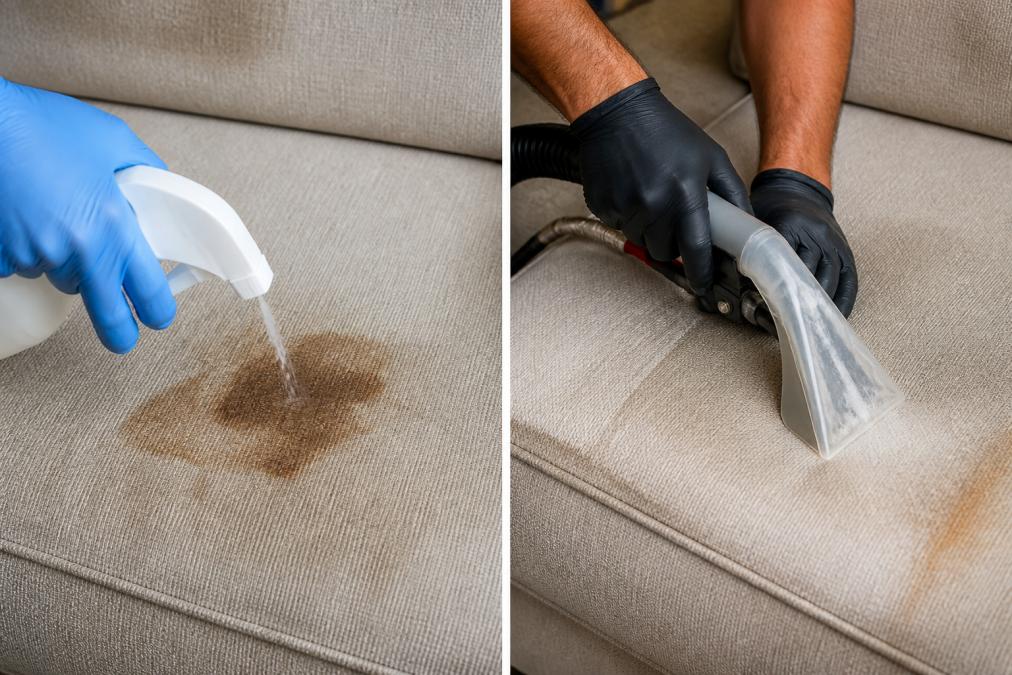
DIY rental machines operate at lower water temperatures and extraction pressures than professional equipment. A typical rental unit heats water to 120-140 degrees Fahrenheit, while professional truck-mounted systems reach 200+ degrees. This temperature difference matters tremendously for sanitization and soil removal. Hot water breaks down greasy soils and kills bacteria more effectively than lukewarm water.
Extraction power determines how much moisture remains in upholstery after cleaning. Rental machines typically leave 40-50% of moisture in fibers, requiring 24-48 hours of drying. Professional equipment extracts 70-80% of moisture, allowing drying within 4-8 hours. This difference directly impacts the likelihood of mold, mildew, and musty odors developing, common complaints from DIY cleaning attempts.
Professional technicians diagnose fabric type before selecting cleaning solutions. This prevents the costly mistakes homeowners make when using one-size-fits-all products on delicate fabrics. A wool sofa requires different treatment than a synthetic blend. Leather needs conditioning oils that standard upholstery shampoos would damage.
The research data supports this distinction clearly. Studies show that professional cleaning can remove up to 90% of allergens from upholstered surfaces, compared to the 20-30% removal typical of vacuuming or rental machine use. For households with pets or allergy sufferers, this difference translates directly to improved indoor air quality and reduced symptoms.
Cost comparison often misleads homeowners. A $50 rental machine seems economical until you factor in the cost of cleaning solutions, the time investment, and potential damage from incorrect technique. Sanctified Carpet & Upholstery Cleaning's bundle deals and reasonable pricing often cost less than a single DIY mistake that requires professional restoration.
How to Choose the Right Upholstery Detailing Service
Selecting a professional upholstery detailing service requires evaluating several critical factors beyond price alone. The right provider combines expertise, proper equipment, and genuine commitment to your satisfaction.
Start by verifying that the service provider offers fiber identification and testing before cleaning begins. This single practice indicates professional standards. Any provider who applies the same cleaning method to all fabrics lacks the expertise needed for delicate materials. Ask whether they can identify wool, silk, cotton, synthetics, and blends correctly.
Equipment matters significantly. Inquire whether they use truck-mounted systems or portable equipment. Truck-mounted extraction provides superior cleaning power and moisture removal. Portable units offer convenience but sacrifice some performance. For serious stain removal or odor elimination, truck-mounted capacity makes a measurable difference.
Request references or case studies from similar situations to yours. If you have pet odor issues, ask for examples of successful pet urine elimination. If you're concerned about allergies, ask about their experience with allergen removal. Real-world examples demonstrate whether the provider has solved problems like yours.
Transparency about pricing and service scope prevents surprises. Sanctified Carpet & Upholstery Cleaning provides personalized quotes after understanding your specific situation. Avoid providers who quote prices without seeing the furniture or discussing soil levels. This indicates they're not tailoring their approach to your needs.
Check whether they offer bundle deals combining upholstery and carpet cleaning. These packages typically provide better value than individual services and ensure consistency in cleaning quality across your home. Ask specifically about their very reasonable pricing, this commitment to affordability shouldn't mean compromising on quality.
Choosing professional upholstery detailing services transforms how your furniture looks, feels, and functions. The difference between surface cleaning and deep professional care becomes immediately apparent, stains vanish, odors disappear, and fabrics regain their original texture and color. For households with pets, children, or allergy concerns, this investment in professional expertise pays dividends in both appearance and indoor air quality.
Sanctified Carpet & Upholstery Cleaning brings this professional expertise to Toms River and Ocean County residents. Our commitment to very reasonable prices combined with expert upholstery detailing means you get comprehensive results without breaking your budget. Bundle deals make professional cleaning even more accessible when you combine upholstery and carpet work. Send a message today to discuss your specific upholstery needs and receive a personalized quote that reflects the true value of professional care.
| Service Type | Best For | Key Benefit |
|---|---|---|
| Professional hot water extraction | Pet odors, heavy soil, allergen removal | 90% allergen removal, 4-8 hour drying |
| Enzyme-based pre-treatment | Organic stains, pet accidents | Targets source of odor, chemical-gentle |
| Fabric protection application | Long-term stain prevention | Repels liquids, extends fabric life 12+ months |
| Annual maintenance cleaning | Preventing soil accumulation | Maintains appearance, prevents deep-set stains |
=== FAQ ANSWERS (audit these too, same rules) ===
[1] Q: How much does professional upholstery detailing cost? A: Pricing for upholstery detailing services depends on several factors, including the size of the furniture, fabric type, stain severity, and your location. For a detailed quote tailored to your specific needs, contact a local provider directly. Many services offer bundle deals that combine carpet and upholstery cleaning for better value, and some provide discounts for multiple pieces or referrals.
[2] Q: What do professional detailers use to clean upholstery? A: Professional upholstery detailing typically uses hot water extraction (also called steam cleaning), which injects heated water mixed with cleaning solution deep into fabric fibers, then immediately extracts the moisture along with dirt and allergens. Technicians may also apply bio-enzymatic treatments for organic stains like pet urine or food spills, pre-shampoo treatments, and fabric-specific conditioning products. The Carpet and Rug Institute confirms that professional cleaning can remove up to 90% of allergens from upholstered surfaces.
[3] Q: Is professional upholstery detailing worth the investment? A: Yes, professional upholstery detailing extends furniture lifespan, removes embedded allergens and contaminants that vacuuming cannot reach, and restores appearance and comfort. Indoor pollutants trapped in upholstery can be up to five times higher than outdoor levels, and dust mite allergies affect nearly 20 million Americans. Professional cleaning addresses these health concerns while protecting your investment in quality furniture, making it worthwhile for households with children, pets, or allergy sufferers.
[4] Q: How often should you have upholstery professionally cleaned? A: For most households, professional upholstery cleaning every 12-18 months maintains freshness and hygiene. Homes with pets, children, or allergy sufferers may benefit from annual cleaning or more frequent service. High-traffic commercial upholstery may need cleaning 2-3 times per year. A maintenance schedule depends on usage patterns, fabric type, and environmental factors. Discuss your specific situation with a professional to determine the ideal frequency for your furniture.
Frequently Asked Questions
Q: How much does professional upholstery detailing cost?
A: Pricing for upholstery detailing services depends on several factors, including the size of the furniture, fabric type, stain severity, and your location. For a detailed quote tailored to your specific needs, contact a local provider directly. Many services offer bundle deals that combine carpet and upholstery cleaning for better value, and some provide discounts for multiple pieces or referrals.
Q: What do professional detailers use to clean upholstery?
A: Professional upholstery detailing typically uses hot water extraction (also called steam cleaning), which injects heated water mixed with cleaning solution deep into fabric fibers, then immediately extracts the moisture along with dirt and allergens. Technicians may also apply bio-enzymatic treatments for organic stains like pet urine or food spills, pre-shampoo treatments, and fabric-specific conditioning products. The Carpet and Rug Institute confirms that professional cleaning can remove up to 90% of allergens from upholstered surfaces.
Q: Is professional upholstery detailing worth the investment?
A: Yes, professional upholstery detailing extends furniture lifespan, removes embedded allergens and contaminants that vacuuming cannot reach, and restores appearance and comfort. Indoor pollutants trapped in upholstery can be up to five times higher than outdoor levels, and dust mite allergies affect nearly 20 million Americans. Professional cleaning addresses these health concerns while protecting your investment in quality furniture, making it worthwhile for households with children, pets, or allergy sufferers.
Q: How often should you have upholstery professionally cleaned?
A: For most households, professional upholstery cleaning every 12-18 months maintains freshness and hygiene. Homes with pets, children, or allergy sufferers may benefit from annual cleaning or more frequent service. High-traffic commercial upholstery may need cleaning 2-3 times per year. A maintenance schedule depends on usage patterns, fabric type, and environmental factors. Discuss your specific situation with a professional to determine the ideal frequency for your furniture.
This article was written using GrandRanker