 how-to
Upholstery Cleaning for Sensitive Skin: Ocean County Guide
Table of Contents
- Why Upholstery Cleaning Matters More for Sensitive Skin
- How to Clean a Couch with Sensitive Skin: A Step-by-Step Method
- Upholstery Cleaning Products for Sensitive Skin
- How Often to Clean Upholstered Furniture in Your Home
- Upholstery Drying Time After Cleaning: What to Expect
- Common Mistakes That Irritate Skin and Damage Fabric
- When to Call a Professional for Sensitive Skin Upholstery Cleaning
- Frequently Asked Questions
Last Updated: October 12, 2026
Why Upholstery Cleaning Matters More for Sensitive Skin
Upholstery cleaning for sensitive skin Ocean County is not about how your couch looks. It is about what your couch holds.
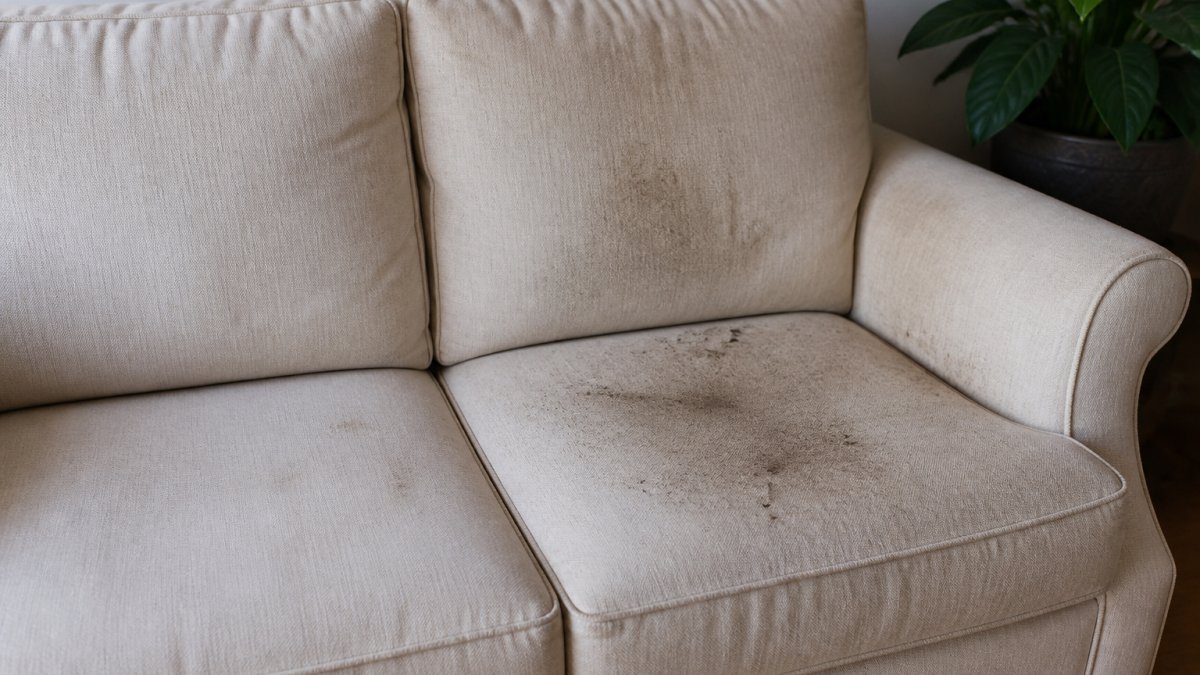
Families with itchy skin, stuffy noses, and mystery rashes often share one thing: fabric furniture that has not been deep cleaned in years.
The numbers back this up. The American Lung Association's guidance on indoor air quality notes that indoor air can carry more pollutants than outdoor air, and soft furnishings are a major place where those particles settle.
Here is the part most guides skip: surface cleaning does not fix this. Vacuuming the top layer leaves embedded dirt and allergens deep in the padding.
How to Clean a Couch with Sensitive Skin: A Step-by-Step Method
The safest method follows five steps in sequence: identify the fabric, vacuum, spot clean, rinse, and dry. Skip any one and you risk irritation or fabric damage.
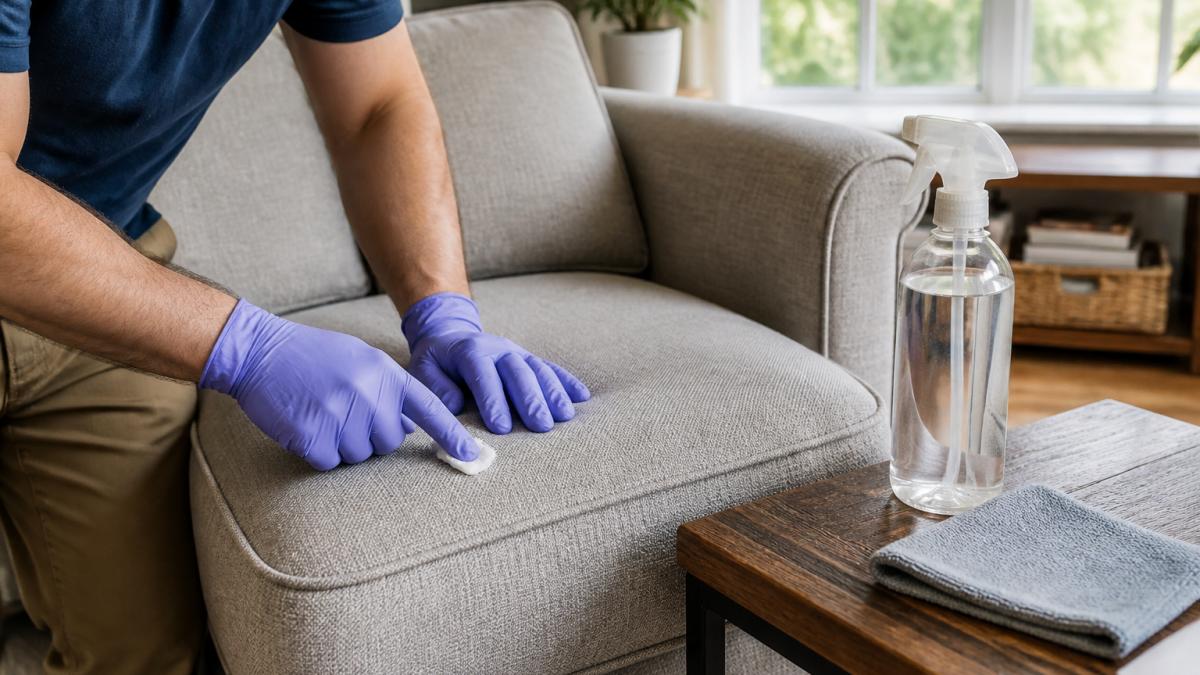
Step 1: Identify Your Fabric Code and Test First
Check the care label under the cushions or behind the frame. The International Organization for Standardization's textile care standards and the care symbols in the Federal Trade Commission's care labeling rules both explain these codes for consumers.
Here is what the letters mean:
- W: water-based cleaners are safe
- S: solvent-based cleaners only, no water
- WS: either water or solvent works
- X: vacuum only, no liquid at all
Once you know your code, test one hidden spot. Apply a small amount of cleaner to the back of a cushion. Wait ten minutes. Blot it dry.
Steps 2-5: Vacuum, Spot Clean, Rinse, and Dry
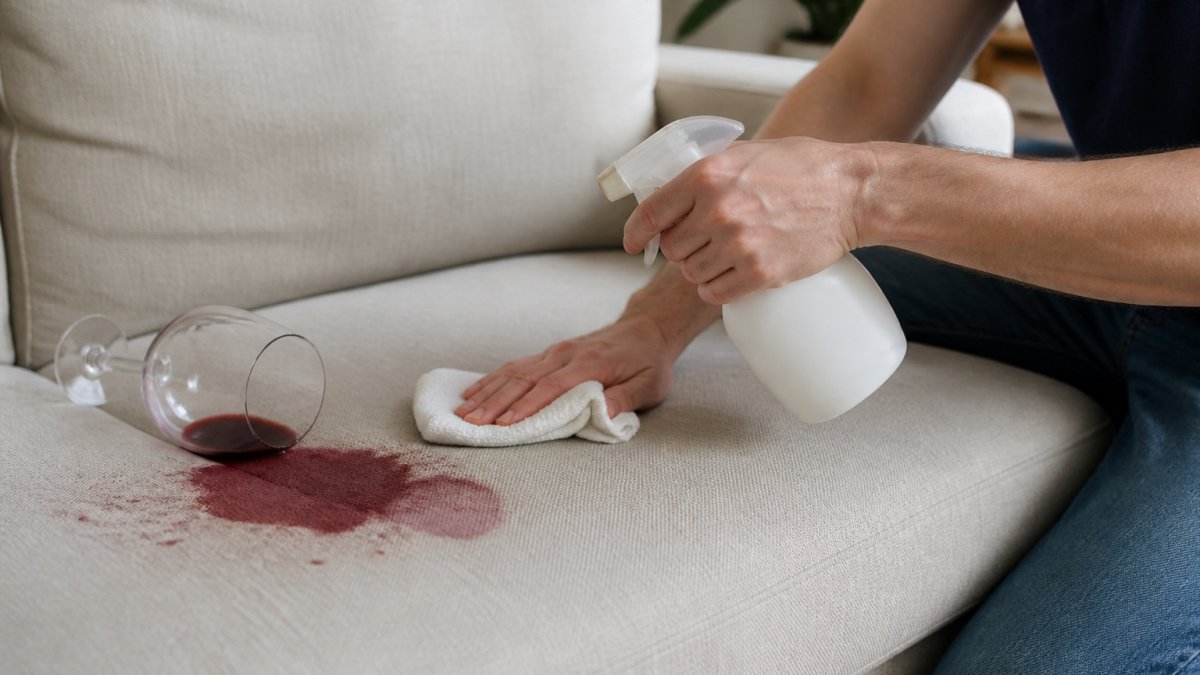
Step 3: Spot clean stains. Blot, never rub. Rubbing pushes soil deeper into the fibers. Work from the outside of the stain toward the center.
Step 4: Rinse with clean water. A damp microfiber cloth works for most fabrics.
Step 5: Dry with airflow. Open windows and run a fan. Do not sit on the furniture until it is fully dry.
Upholstery Cleaning Products for Sensitive Skin
The best products for sensitive skin are fragrance-free, dye-free, and low-residue. Many standard cleaners leave behind perfumes and surfactants that sit in the fabric and transfer to your skin. That residue is often the real culprit behind itching and rashes.
Look for these traits on the label:
- No added fragrance or perfume
- No dyes or optical brighteners
- Plant-based or mild surfactants
- A pH close to neutral
- A short ingredient list
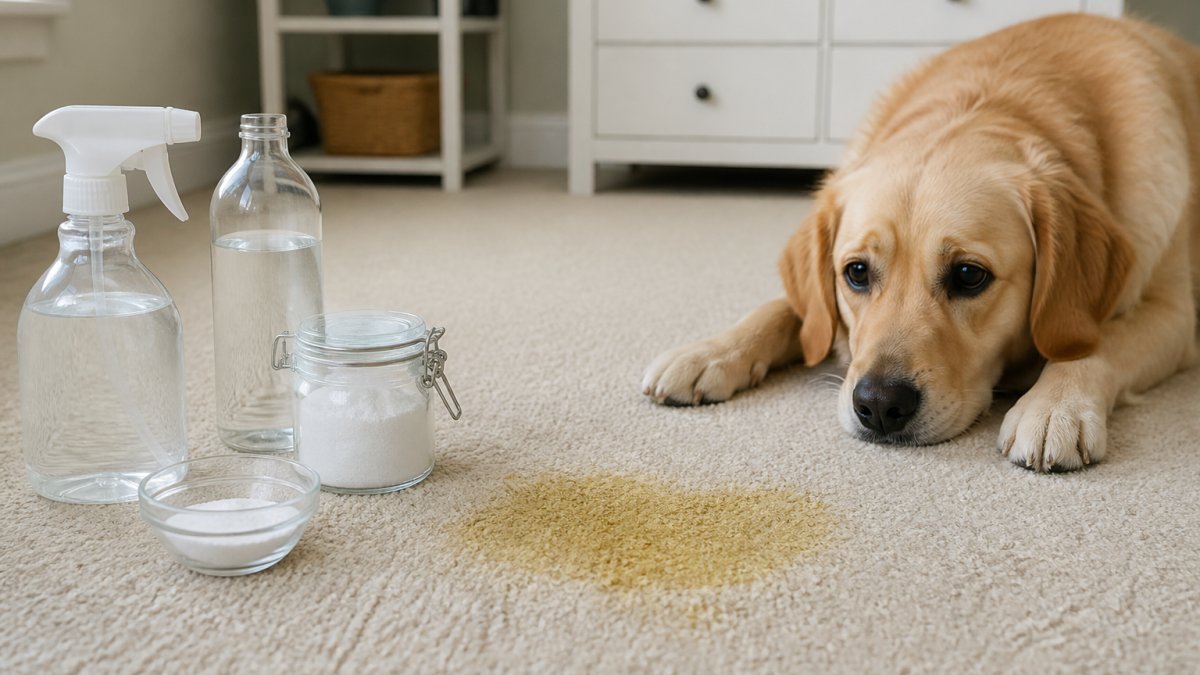
Simple is better. Mild dish soap and warm water handles most food crumbs and light spills; an enzyme cleaner breaks down the proteins in pet accidents.
How Often to Clean Upholstered Furniture in Your Home
Most homes need a professional deep clean every 12 months; homes with pets, kids, or allergy sufferers need it every 6 months. Routine cleaning between visits keeps allergens down and extends fabric life.
But "every 6 months" is a starting point, not a rule. The right schedule depends on who lives in the home, how the furniture is used, and what the care label allows.
Start With the Care Code, Then Set the Schedule
The care code under the cushion (W, S, WS, or X) sets a hard limit on how often you can safely wet-clean. An "S" or "X" fabric cannot be shampooed at home, so your only routine option is vacuuming and professional solvent cleaning.
If you do not know your code, treat the fabric as "S" until a technician confirms it. That single precaution prevents most of the shrinkage and ring marks we see on service calls.
Cleaning Frequency by Household Type
| Household Type | Vacuum | Spot Clean | Deep Clean |
|---|---|---|---|
| Adults only, no pets | Weekly | As needed | Every 12 months |
| Kids under 5 | Twice weekly | As needed | Every 6-9 months |
| One pet | Twice weekly | As needed | Every 6 months |
| Multiple pets | Every other day | As needed | Every 4-6 months |
| Allergy or asthma | Every other day | As needed | Every 3-6 months |
Adjust the Schedule for These Triggers
The table above is a baseline. Move your deep clean earlier when any of these apply:
- Visible soil on light fabric. Cream, white, and pastel upholstery shows soil weeks before darker fabric does. Clean on appearance, not on the calendar.
- Direct sun exposure. UV light breaks down fibers and fades dye. Furniture near a south- or west-facing window collects damage faster and benefits from more frequent professional care.
- High-traffic seating. The couch everyone uses daily collects body oils and sweat that vacuuming cannot remove. A recliner used by one person needs less attention than a family-room sectional.
- Recent illness or a new pet. Both introduce new biological soil. A deep clean after either event resets the baseline.
- Musty or stale odor. Odor that returns within days of a surface clean means the source is in the padding, not the fabric. That is a deep-clean signal, not a spot-clean one.
What Happens If You Wait Too Long
Neglect follows a predictable timeline. Fresh soil vacuums away easily. Within months, oils and proteins bind to the fibers and attract more dust. Within a year, soil works into the padding and abrades fibers from the inside every time someone sits down.
That progression is why the schedule matters more than the method: cleaning on time is cheaper than restoring a couch that has lost its structure.
Upholstery Drying Time After Cleaning: What to Expect
Upholstery drying time after cleaning ranges from 4 to 12 hours for most fabrics. Light, thin fabrics dry faster. Heavy velvet or thick cushions take longer. Airflow and humidity matter more than the cleaner itself.
Speed up drying with these steps:
- Open windows and doors for cross-ventilation
- Run fans or a dehumidifier in the room
- Blot excess moisture with clean towels
- Stand cushions on edge so air reaches all sides
Professional equipment extracts water far better than a rented machine, so trained technicians often have your furniture dry in a few hours instead of a full day.
Common Mistakes That Irritate Skin and Damage Fabric
The biggest mistake is using too much product. More soap does not mean cleaner fabric; it means more residue to irritate skin and attract new dirt.
Other mistakes we see often:
- Rubbing stains instead of blotting, which spreads them
- Skipping the rinse step entirely
- Using scented cleaners on fabric that touches bare skin
- Letting furniture stay damp for hours
- Ignoring the care label and guessing at the fabric type
Each causes a different problem: residue triggers irritation, over-wetting causes shrinkage and odor, and harsh chemicals break down fibers over time.
When to Call a Professional for Sensitive Skin Upholstery Cleaning
Call a professional for upholstery cleaning for sensitive skin Ocean County when stains have set, odors return after cleaning, or anyone in the home has allergies or asthma. DIY methods reach the surface; professional deep cleaning reaches the padding, where most allergens and odors live.
Most people wait too long because the signs that you need help are easy to misread as "the couch is just old." Here is how to tell the difference.
Signs DIY Cleaning Is Not Enough
- Odor returns within a few days. If a surface clean removes the smell and it comes back by the end of the week, the source is in the foam or the decking under the cushions. No spray reaches that layer.
- Stains reappear as a ring or shadow. Wicking happens when moisture pulls soil from the padding back to the surface. It is a sign the contamination is deeper than the fabric.
- Fabric feels stiff, crunchy, or tacky. That is residue from repeated cleaner use. More cleaner makes it worse. It needs extraction, not another spray.
- Anyone in the home has eczema, asthma, or seasonal allergies. These households benefit from extraction-based cleaning because it physically removes allergens instead of spreading them.
- The furniture has never been deep cleaned. If you cannot remember the last time, the padding is holding years of soil.
What Professional Equipment Actually Does Differently
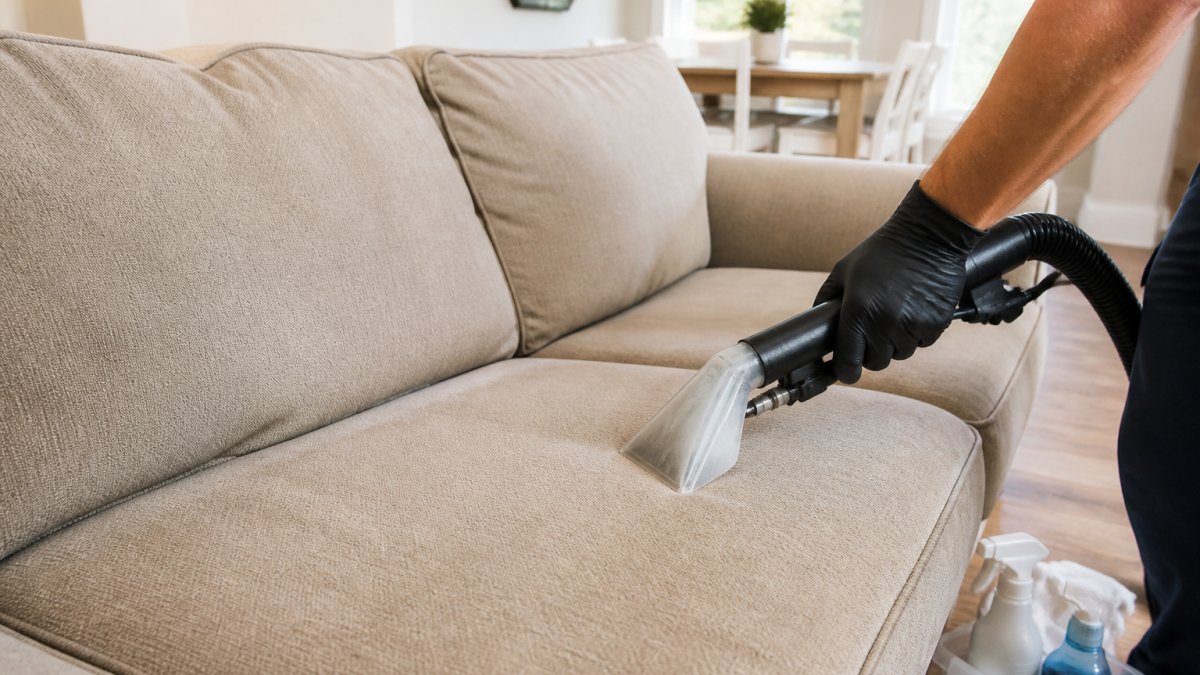
A rented machine sprays water and pulls some back. A professional truck-mount or high-powered portable unit generates far stronger vacuum lift and heated water, extracting a much higher percentage of moisture and suspended soil in one pass.
A trained technician also matches the method to the fabric code. Wool blends, viscose, and solution-dyed synthetics each need a different approach; guessing wrong is how couches shrink, bleed, or develop brown rings.
What to Ask Before You Book
- What method do you use, and how do you decide it for my fabric?
- Are your cleaning solutions fragrance-free and dye-free?
- How long will the furniture take to dry?
- Do you test for colorfastness before you start?
- What is your policy if a stain does not come out?
A company that answers these clearly is set up for sensitive-skin households.
Sanctified Carpet & Upholstery Cleaning serves Toms River and Ocean County with expert upholstery detailing and full carpet cleaning.
If you have kids under five or pets, this matters even more.
We keep our process personable and simple: a clear plan, careful work, and furniture that feels fresh again.
Frequently Asked Questions
How do I clean a couch without irritating sensitive skin?
Start by checking the fabric care code (W, S, WS, or X) and testing any product on a hidden area. Vacuum thoroughly with a HEPA filter, spot clean with a mild, fragrance-free solution, and rinse with a damp cloth to remove residue. Avoid over-wetting, which traps irritants. For deep cleaning, choose a professional who uses sensitive-skin-safe products. In Ocean County, many homeowners schedule professional upholstery cleaning every 6-12 months to keep allergens and residue low.
How often should I clean my upholstered furniture?
Most households should deep clean upholstery every 6 to 12 months. If you have pets, allergies, or young children, aim for every 4 to 6 months. High-use pieces like a daily sofa may need professional cleaning every 6 months. Between cleanings, vacuum weekly and spot clean spills immediately. A practical schedule by household type: single adults every 12 months, families with kids every 6-9 months, pet owners every 4-6 months, and allergy sufferers every 3-4 months.
How long should upholstery dry before you use it again?
Drying time depends on the method and ventilation. Surface cleaning with a damp cloth may dry in 1-2 hours. Professional hot-water extraction typically takes 4-6 hours, but can extend to 12-24 hours in humid conditions or if over-wetted. To speed drying, run fans, open windows, and use a dehumidifier. Avoid sitting on damp upholstery, as moisture can lead to mold and musty odors. If it stays wet longer than 24 hours, call a professional to check for over-wetting.
What if my couch doesn't have a cleaning code?
If the care tag is missing, treat the fabric as delicate. Test a small hidden area with a mild solution of water and a drop of fragrance-free dish soap. If the color transfers or the fabric wrinkles, stop and call a professional. For unknown fabrics, dry cleaning or professional low-moisture methods are safest. Never saturate the fabric, as over-wetting can cause shrinkage, discoloration, and fiber damage. A professional upholstery cleaner in Ocean County can identify the fiber and recommend the right method.
Your furniture collects what your family breathes and touches every day. When sensitive skin is in the house, surface cleaning is not enough. Sanctified Carpet & Upholstery Cleaning offers expert upholstery detailing, professional carpet cleaning, very reasonable prices, and bundle deals that fit a budget. Send us a message to schedule your deep clean and give your home a fresher, gentler space to live in.