 comparison
Carpet and Cleaning: Professional vs. DIY Methods
Table of Contents
- Why Carpet and Cleaning Matters for Your Home
- Professional Carpet Cleaning vs. DIY: What's the Real Difference
- Understanding Carpet Cleaning Cost Per Room
- How Long Carpet Takes to Dry After Professional Cleaning
- Stain Removal and Pet Odor: What Professional Cleaning Can Achieve
- Questions to Ask a Carpet Cleaning Company
- Carpet Maintenance Between Professional Cleanings
- Frequently Asked Questions
Last Updated: October 10, 2026
Why Carpet and Cleaning Matters for Your Home
Your carpet traps dust, allergens, pet dander, and bacteria deeper than vacuuming can reach. Professional carpet and cleaning protects both your family's health and your home's largest fabric investment.
The carpet and cleaning industry continues to grow. According to IBISWorld's 2026 Carpet Cleaning Industry Analysis, there are now 41,611 carpet-cleaning businesses operating across the U.S., with the market valued at $6.9 billion. This growth reflects a simple reality: homeowners recognize that professional carpet and cleaning delivers results that DIY methods can't match.
The real difference between professional carpet and cleaning and DIY approaches comes down to equipment power, cleaning solutions, and expertise.
Professional Carpet Cleaning vs. DIY: What's the Real Difference
Professional carpet cleaning combines industrial-grade equipment, extraction force, precise heat control, and knowledge of fiber types, capabilities rental machines cannot replicate.
Rental machines extract 40-60% of water; professional equipment removes 80-90%. Professional technicians know which carpet types tolerate high heat (200-220°F) and which require lower temperatures, preventing costly fiber damage.
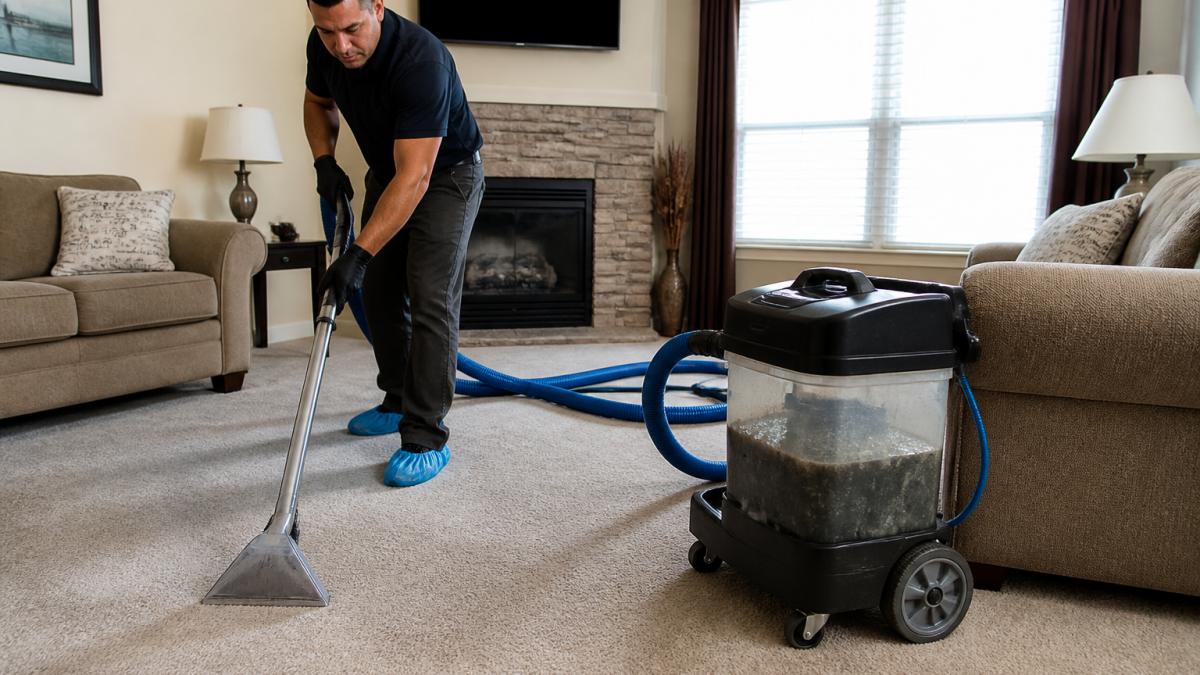
Hot-Water Extraction and Steam Cleaning
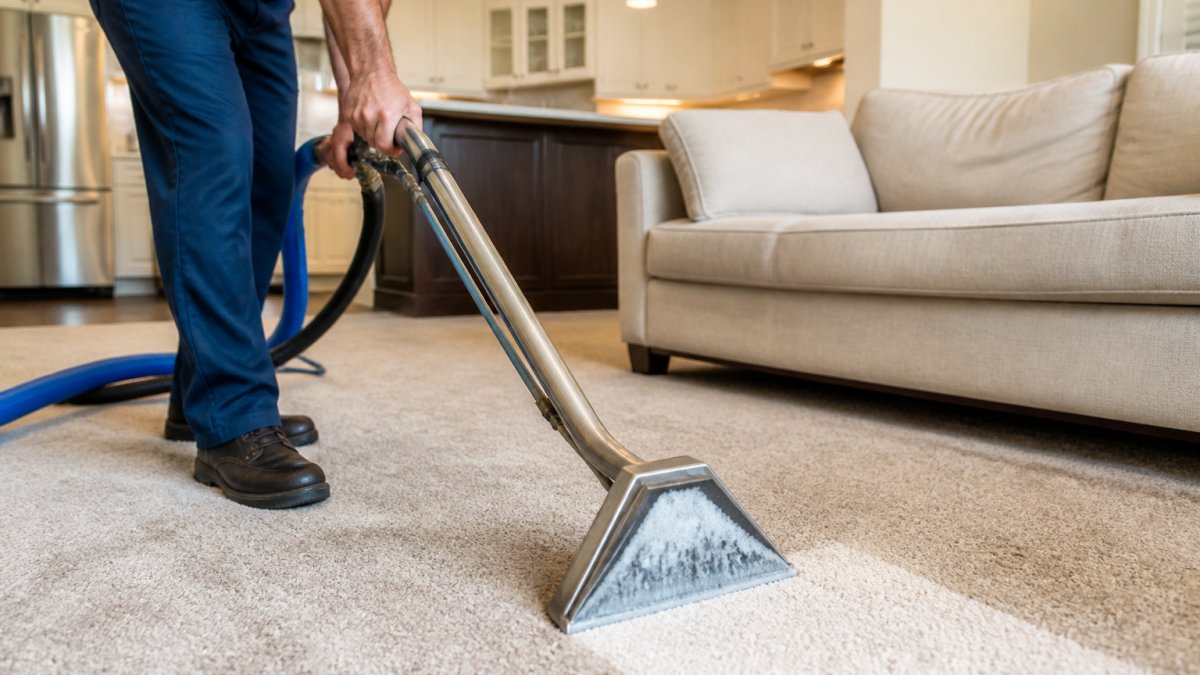
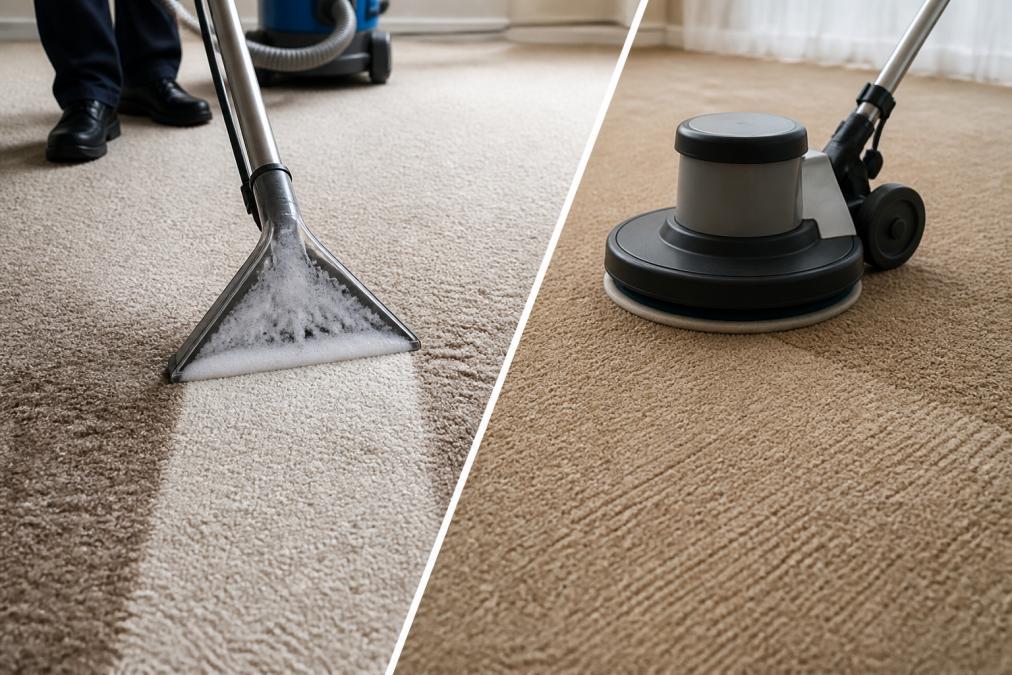
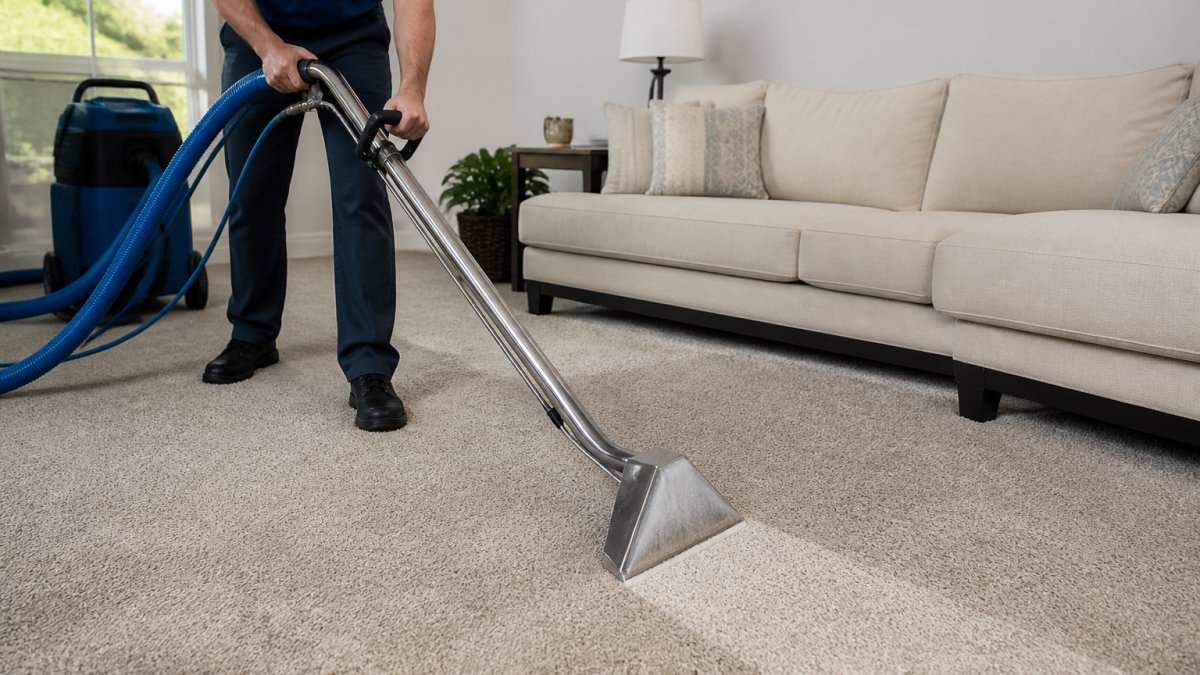
Hot-water extraction injects hot water (200-220°F) mixed with cleaning solution into carpet fibers under pressure, then extracts the liquid along with dirt and allergens. This temperature kills dust mites and bacteria while remaining safe for most fibers. Rental equipment reaches only 150-160°F, a significant difference in cleaning power.
Best for: Heavily soiled carpet, pet stains and odor, allergen removal, wool and synthetic blends, homes with children or pets.
Drying time: 6-12 hours. Professional technicians position air movers during cleaning to reduce drying time by 2-4 hours compared to DIY attempts.
Trade-off: Longer drying time means your space is less usable for several hours. Not ideal if you need immediate access to the room.
Carpet fiber suitability: Works well on most synthetic fibers and wool (with lower temperatures and pH-neutral solutions). Requires professional assessment for natural fibers like sisal or jute.
Low-Moisture Cleaning Methods
Low-moisture methods apply minimal water using encapsulation (polymer solution that surrounds soil) or dry compounds (absorbent powder). Both dry in 2-4 hours and are gentler on carpet backing.
Best for: Maintenance cleaning between deep cleanings, lightly to moderately soiled carpet, quick turnaround requirements, commercial spaces with high foot traffic, delicate or moisture-sensitive fibers.
Drying time: 2-4 hours. Some dry-compound methods dry within 1-2 hours, allowing immediate use.
Trade-off: Low-moisture methods don't penetrate carpet backing as effectively as hot-water extraction and won't eliminate deep-set pet odors or heavy soil.
Carpet fiber suitability: Safe for most fibers, including delicate natural materials like wool, sisal, and jute. Particularly suitable for moisture-sensitive backings or homes where extended drying time poses problems (commercial spaces, high-traffic areas).
DIY Rental Equipment and Store-Bought Solutions
Rental machines ($50-$100/day) extract only 40-60% of water versus 80-90% for professional equipment. DIY mistakes, incorrect temperature, solution ratio, or incomplete extraction, leave carpet wetter longer and risk mold growth. Store-bought solutions often leave residue that attracts dirt.
Best for: Light touch-ups, small spills, budget-conscious households willing to accept mediocre results.
Drying time: 12-24 hours or longer. Incomplete extraction frequently leads to mold or mildew odors within 48 hours.
Trade-off: Poor results, extended drying, risk of fiber damage from incorrect temperature or solution pH, potential for mold growth. Many homeowners end up hiring professionals afterward to fix DIY mistakes, doubling the total cost.
Carpet fiber suitability: Risky for delicate fibers; DIY methods can cause permanent color loss, matting, or shrinkage in wool, silk, or natural-fiber carpets.
Matching Method to Your Situation: A Quick Decision Guide
Choose hot-water extraction if: You have pets, children, or visible stains; your carpet is synthetic or a wool blend; you can tolerate 6-12 hours of drying time; you want the deepest possible clean; or you have allergies and need allergen removal.
Choose low-moisture cleaning if: Your carpet is lightly to moderately soiled; you need the space usable within hours; your carpet is delicate (natural fiber, wool, or moisture-sensitive backing); you want maintenance cleaning between deep cleanings; or you have commercial space with high foot traffic.
Choose DIY rental only if: You have a small spill or light surface dirt; budget is the only consideration; you're willing to accept mediocre results; and you have time to learn equipment operation and risk potential damage.
Understanding Carpet Cleaning Cost Per Room
Pricing for professional carpet cleaning varies based on room size, soil level, fiber type, and the method used. Rather than guessing at costs, understanding typical price ranges and what drives them helps you budget and compare quotes effectively.
Typical Price Ranges by Method and Room Size
Pricing for professional carpet cleaning varies depending on the method and local market rates. Here's what to expect:
Hot-water extraction (steam cleaning): $150-$300 per room for standard residential spaces (200-300 sq ft). This is the most common deep-cleaning method and typically costs more than low-moisture alternatives because it requires powerful equipment and longer drying time.
Low-moisture cleaning: $100-$200 per room. This method uses less water and dries faster, making it popular for maintenance cleaning or when quick turnaround is essential. The trade-off is shallower penetration into carpet backing.
Dry-compound or encapsulation cleaning: $75-$150 per room. These methods are fastest-drying and work well for lightly soiled carpet, but they're less effective for deep cleaning or pet odor removal.
DIY rental equipment: $50-$100 per day for the machine alone, plus $20-$50 for cleaning solutions. While cheaper upfront, rental results are typically inferior and often require a second professional cleaning to achieve acceptable results.
These ranges reflect national averages and vary significantly by region, local labor costs, and market competition. Urban areas typically cost 20-40% more than rural regions. Always request quotes from at least two providers to establish local pricing.
Factors That Affect Pricing
Several variables determine the final cost of carpet cleaning:
Pricing factors include room size, soil level, fiber type, stain complexity, accessibility, and travel distance.
Professional carpet cleaning providers assess these factors during an in-home or phone consultation to provide accurate pricing. Reputable companies will explain which factors apply to your situation rather than quoting a flat rate without inspection.
Bundle Deals and Whole-House Savings
Bundle pricing reduces per-room cost by 15-25%. Combining carpet with upholstery or rug cleaning saves 20-30%; whole-house packages (3+ rooms) save 10-20%.
What to Expect in a Quote
Request itemized written quotes. Be cautious of quotes significantly below or 50% above regional averages. Ask whether drying time is included, if additional charges apply for heavy soil, and what satisfaction guarantee covers.
How Long Carpet Takes to Dry After Professional Cleaning
Drying time is a practical concern, you want your family back in the space without walking on wet carpet. The timeline depends on which carpet and cleaning method was used.
Drying Time by Method
Hot-water extraction typically requires 6-12 hours of drying time. In humid conditions or poorly ventilated spaces, add 2-4 hours. Low-moisture methods dry in 2-4 hours. Dry-compound methods dry fastest, sometimes within 1-2 hours.
Professional technicians control variables that affect drying. They adjust water temperature, extraction pressure, and solution concentration to optimize results while minimizing moisture left behind. This expertise is why professional carpet and cleaning dries faster and more completely than DIY attempts.
Speeding Up the Drying Process
After professional carpet and cleaning, open windows and doors to create air circulation. Use ceiling fans set to push air downward across the carpet. Dehumidifiers accelerate drying in humid climates. Avoid walking on wet carpet for the first 2-3 hours, this allows extraction to complete and prevents soil redeposition.
Professional teams often position air movers (high-velocity fans) during cleaning to begin the drying process immediately. This is one reason professional results look and feel better: the carpet dries faster and doesn't retain that damp smell.
Stain Removal and Pet Odor: What Professional Cleaning Can Achieve
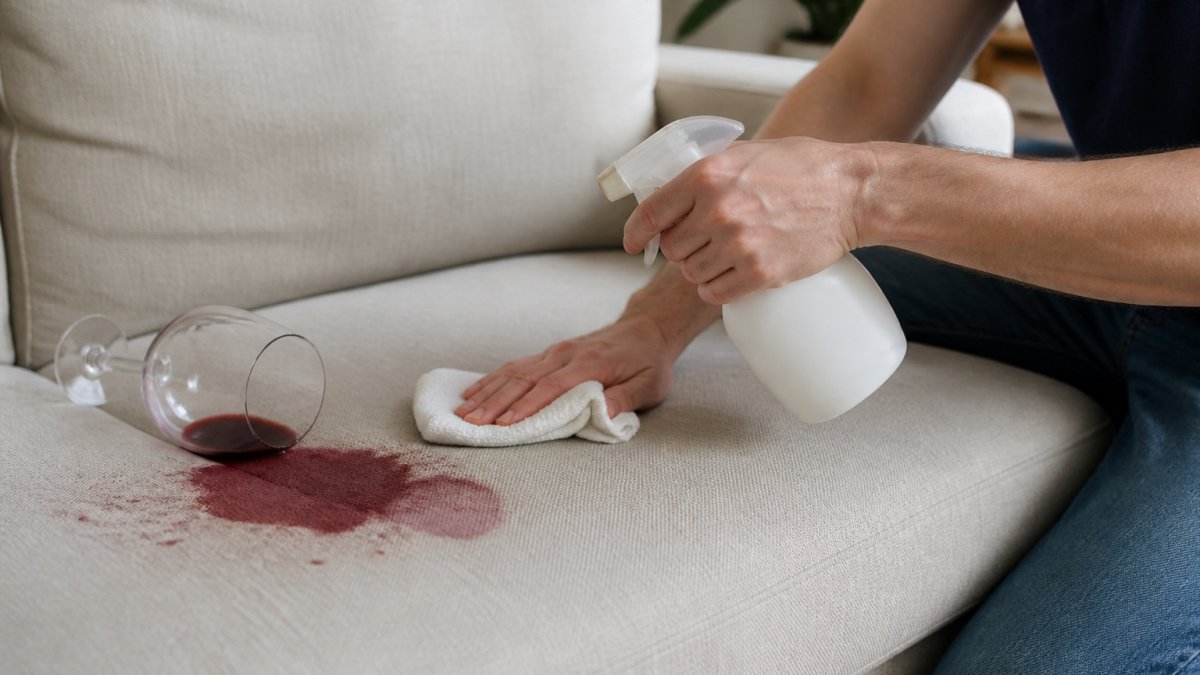
Pet urine penetrates carpet backing and subfloor, embedding bacteria and odor compounds. Professional carpet and cleaning applies specialized treatments that break down uric acid and extract contaminated liquid, removing 80-90% of odor versus 30-50% for DIY methods. For multiple pets or long-standing accidents, professional treatment is the only reliable solution.
Questions to Ask a Carpet Cleaning Company
Before booking, ask potential providers specific questions that reveal their expertise and approach to carpet and cleaning.
Safety and Product Concerns
Ask about cleaning solutions and request safety data sheets (SDS). Inquire about their approach to delicate fibers, a company that asks about your carpet fiber before quoting demonstrates professional knowledge.
Equipment, Methods, and Experience
Ask which carpet and cleaning methods they recommend and why. Request local references and ask how long they've been in business and whether technicians receive ongoing training.
Carpet Maintenance Between Professional Cleanings
Vacuum high-traffic areas twice weekly with a quality vacuum. Blot spills immediately. For pet households, use enzymatic spot treatments between cleanings. Schedule professional carpet and cleaning every 12-18 months (normal use) or 6-9 months (pets/children) to prevent premature wear.
Choosing between professional carpet and cleaning and DIY methods comes down to results and your home's needs. If you have pets, children, or stubborn stains, professional expertise delivers the deep clean that protects your investment.
| Method | Drying Time | Best For | Cost Level |
|---|---|---|---|
| Hot-water extraction | 6-12 hours | Deep cleaning, pet stains, allergen removal | Higher |
| Low-moisture cleaning | 2-4 hours | Quick turnaround, maintenance cleaning | Moderate |
| DIY rental equipment | 12-24 hours | Light touch-ups only | Lower |
| Dry compound method | 1-2 hours | Immediate use needed | Moderate |
According to Grand View Research's Carpet & Upholstery Cleaning Services Market analysis, the global carpet and upholstery cleaning market is projected to grow from $67.3 billion in 2026 to $83.5 billion by 2030, reflecting increasing consumer demand for professional cleaning services. This growth signals that homeowners increasingly recognize the value of professional expertise.
The investment in professional carpet and cleaning pays dividends through extended carpet life, improved indoor air quality, and elimination of odors that DIY methods cannot address. When budget matters, Sanctified Carpet & Upholstery Cleaning's bundle deals make professional-quality carpet and cleaning accessible. Get started with a consultation and discover how our team can refresh your home environment.
Frequently Asked Questions
Is professional carpet cleaning better than doing it yourself?
Professional carpet cleaning removes significantly more dirt, allergens, and pet odors than DIY methods. Studies show that professional equipment extracts deeper soil and moisture more effectively, reducing drying time and extending carpet life. DIY rentals lack the power and expertise of commercial-grade equipment. For households with pets, children, or allergy concerns, professional cleaning delivers results that rental machines cannot match.
How much does it cost to have a whole house carpet cleaned?
Carpet cleaning cost per room depends on square footage, carpet condition, stain severity, and cleaning method. Professional services typically offer bundle discounts for whole-house cleaning. For accurate pricing tailored to your home's specific needs, contact a local professional cleaning company directly for a quote. Many providers offer free estimates and transparent pricing breakdowns.
How long does it take for carpet to dry after professional cleaning?
Drying time varies by method. Hot-water extraction typically requires 6-12 hours; low-moisture cleaning can dry in 2-4 hours. Professional equipment removes more water than rental machines, reducing overall drying time. Factors like humidity, air circulation, and carpet thickness affect drying speed. Professional cleaners often provide tips to accelerate drying, such as opening windows or using fans.
Can professional carpet cleaning remove pet stains and odors?
Professional carpet cleaning can remove most pet stains and odors through deep extraction and specialized treatments. However, if urine has soaked into the padding beneath the carpet, complete odor removal may require padding replacement. Professional cleaners can assess the damage and recommend the best solution. Regular deep cleaning and prompt spot treatment prevent odors from becoming permanent.