 ultimate-guide
Safe Carpet Cleaning for Toddlers and Pets
Table of Contents
- Why Safe Carpet Cleaning Matters for Families with Toddlers and Pets
- The Real Dangers of Chemical Residues in Your Carpet
- Non-Toxic Carpet Cleaning Solutions That Actually Work
- Professional Carpet Cleaning Safety Standards You Should Know
- How Long to Keep Pets Off Carpet After Cleaning
- Professional vs. DIY Cleaning: What's Really Safe
- Your Post-Cleaning Safety Checklist
- Conclusion
Last Updated: August 30, 2026
Why Safe Carpet Cleaning Matters for Families with Toddlers and Pets
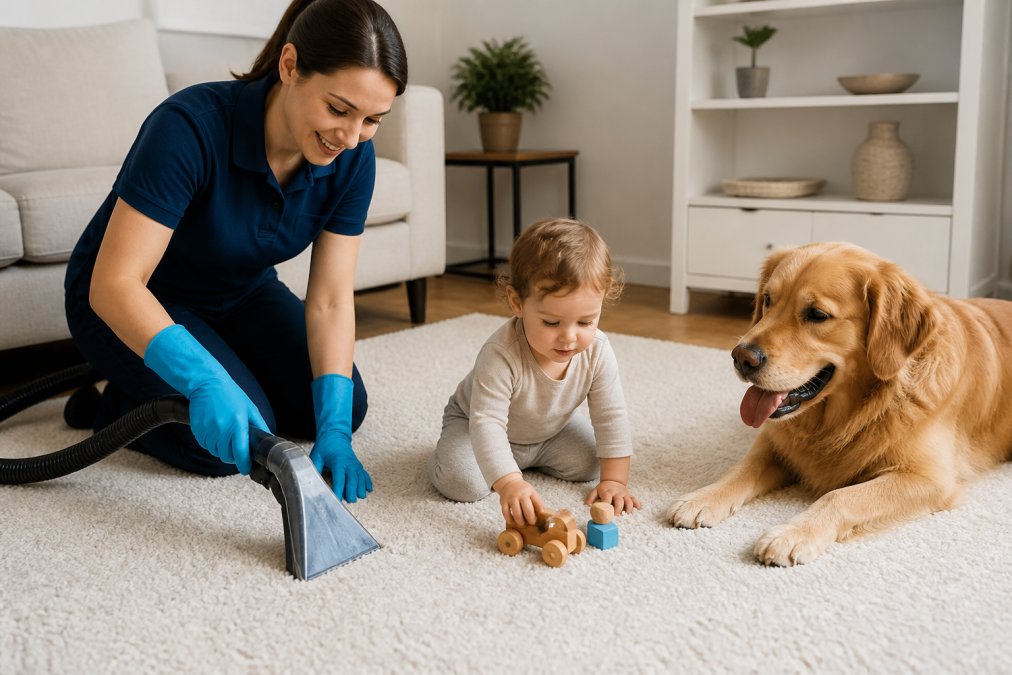
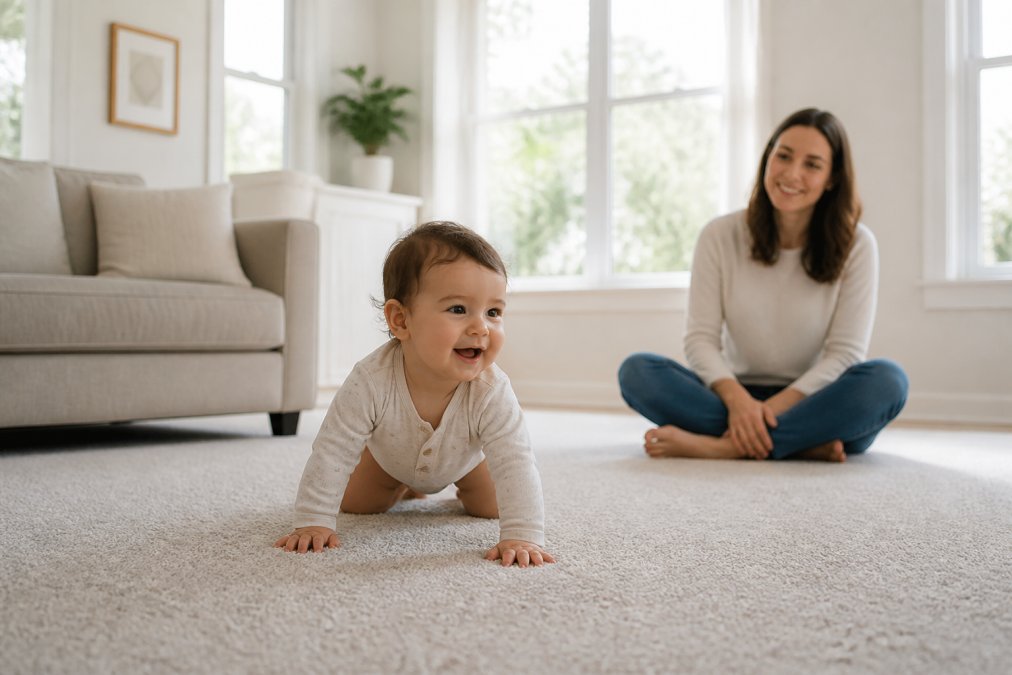
Toddlers and pets spend most of their time on the floor. Your carpet isn't just a surface, it's where your children crawl, where your dog naps, where spills happen and stains accumulate. When it comes to safe carpet cleaning for toddlers and pets, the stakes are higher than just appearance.
A national study published in 2026 found that household cleaning product-related injuries accounted for an estimated 240,800 visits to emergency departments for children aged five years and younger from 2007 through 2022, that's one injury every 35 minutes (Nationwide Children's Hospital, 2026) (nationwidechildrens.org). Bleach and detergents were the most common culprits. The research is sobering, but it also tells you something important: the choice of cleaning products and methods genuinely matters.
At Sanctified Carpet & Upholstery Cleaning, we understand that families need carpet cleaning that works without compromising safety. Most homeowners face a real tension: their carpets need deep cleaning, especially with pets in the house, but they're worried about chemical residues, fumes, and what their kids or animals might be exposed to. That worry is justified.
The good news is that modern carpet cleaning has evolved. Today's professional methods rely far more on heat and advanced extraction than on harsh chemicals. But not all cleaning services are created equal, and DIY approaches often leave behind exactly what you're trying to avoid: residue, moisture, and lingering chemical traces.
The Real Dangers of Chemical Residues in Your Carpet
Here's what most guides skip: the problem isn't just what's in the cleaning solution. It's what stays behind after the cleaner leaves.
Research from the American Chemical Society, cited in 2026 studies, found that cleaning spray residues remain on surfaces for weeks, months, and sometimes over a year. This creates what researchers call a "chemical reservoir effect", your toddler crawls across the carpet, picks up residue on their hands, and then puts those hands in their mouth. Your dog walks across the damp carpet and licks its paws. Both are exposed to chemicals long after the "cleaning" is done.
Carpets are made from over 1,000 chemicals, and not all of them are inert. When you add cleaning solutions on top of that, you're introducing another layer of complexity. The issue isn't limited to obvious toxins. Even products labeled "safe" or "natural" can leave behind soapy residue that irritates skin, causes respiratory issues in sensitive individuals, or creates an environment where dust mites and mold thrive.
The EPA Safer Choice program strengthened its standards in 2024, but here's the catch: the words "green," "natural," "eco-friendly," and "non-toxic" on cleaning labels are not regulated. Any company can print them. What matters is third-party verification through programs like EPA Safer Choice or Carpet and Rug Institute (CRI) certification.
Non-Toxic Carpet Cleaning Solutions That Actually Work
The shift toward non-toxic solutions isn't just a marketing trend. It's backed by real changes in how professional cleaning works.
Modern professional carpet cleaning increasingly uses biodegradable, pH-neutral, low-VOC solutions that minimize health risks. The Carpet and Rug Institute tests cleaning solutions at independent laboratories for cleaning effectiveness, pet stain and odor removal, rate of resoiling, pH, optical brighteners, and colorfastness to light. Near-neutral pH is part of the criteria specifically so that dyes and fibers aren't damaged during cleaning, and so that residue doesn't build up on your carpet.
What separates a truly safe cleaning solution from one that just sounds safe?
EPA Safer Choice Certification: Every chemical in a certified product is evaluated regardless of the percentage it makes up. The review screens for carcinogenicity, reproductive and developmental toxicity, toxicity to aquatic life, and whether the ingredient builds up in the environment. This is rigorous vetting.
Biodegradable Formulas: These break down naturally in the environment and don't accumulate in soil or water. For homes with toddlers and pets, biodegradable means the residue that might stick around won't persist indefinitely.
pH-Balanced Chemistry: Solutions with near-neutral pH (between 6.5 and 7.5) don't strip carpet fibers or leave a sticky residue that re-soils quickly. They're gentler on skin and respiratory systems too.
Enzymatic Cleaners: These use naturally occurring enzymes to break down organic stains, pet accidents, food spills, bodily fluids. They work without harsh solvents and leave minimal residue.
Professional Carpet Cleaning Safety Standards You Should Know
Not all professional cleaning is equal. The difference between a service that prioritizes safety and one that doesn't often comes down to method and equipment.
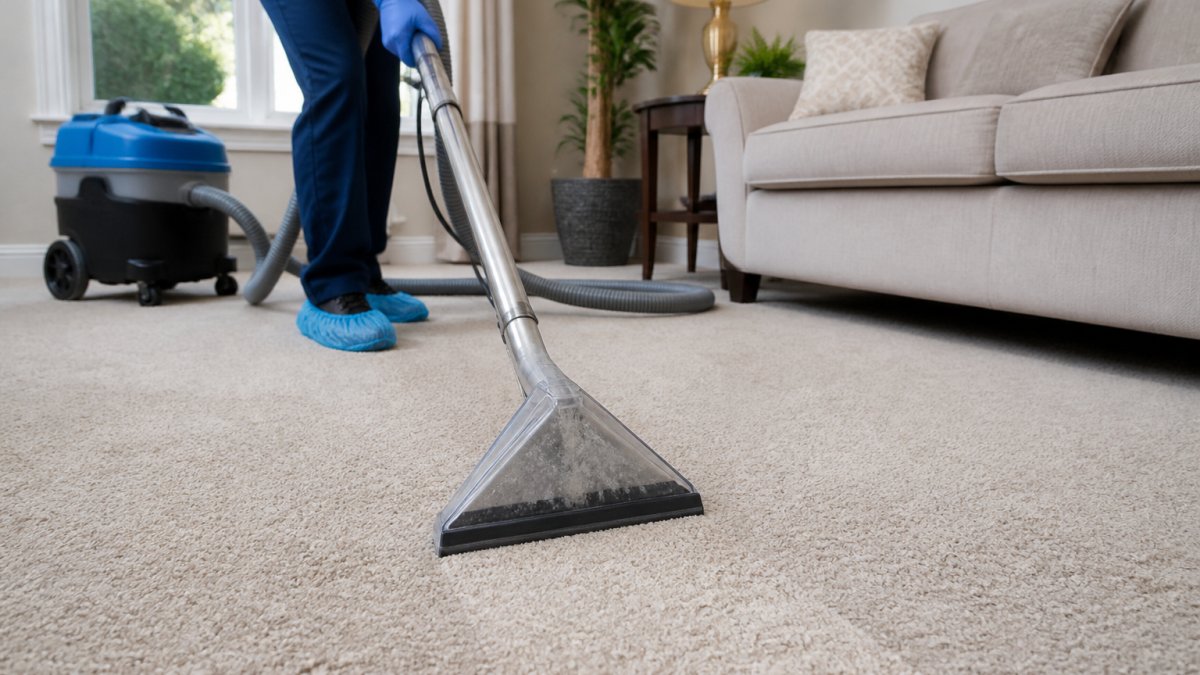
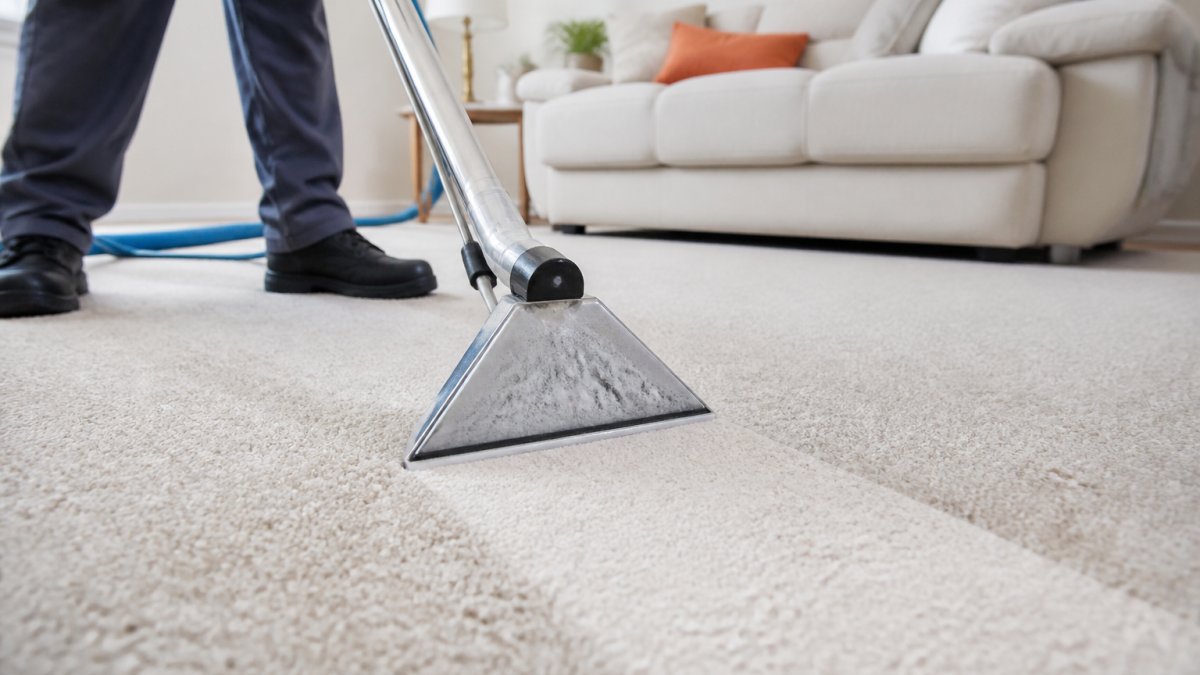
Steam Cleaning and Hot Water Extraction: These methods rely more on heat and pressure than on chemicals. Hot water extraction, also called steam cleaning, heats water to 200+ degrees and uses high-pressure extraction to pull dirt, allergens, and moisture from deep within carpet fibers (carpet-rug.org). The heat itself sanitizes, reducing reliance on harsh disinfectants. Modern equipment has improved, allowing deeper rinsing and faster drying, leaving no harmful residues.
Very Low Moisture (VLM) Cleaning: This emerging method uses minimal water and biodegradable, non-toxic chemistry, resulting in fast drying times, around one hour, and virtually no chemical residue. For families worried about wet carpet and lingering moisture, VLM is the safest option.
HEPA Filtration: Professional equipment with HEPA filtration captures 99.97% of particles down to 0.3 microns. This means allergens, dust mites, pet dander, and mold spores are removed from your home entirely, not just redistributed.
When you hire a professional service, ask about their cleaning method, the certifications of their products, and their drying protocols. Sanctified Carpet & Upholstery Cleaning uses professional-grade equipment and safe, certified solutions designed specifically for homes with children and pets.
The research is clear: professional deep cleaning removes allergens and reduces the bacterial load in your carpet far better than DIY methods. But only if the service uses the right approach.
How Long to Keep Pets Off Carpet After Cleaning
This is the question most guides get wrong. They'll tell you "wait 24 hours" without explaining why.
Drying time for carpets typically ranges from 6 to 12 hours, depending on ventilation, humidity, and carpet thickness. Most rooms are ready in a few hours with good airflow. But "ready" and "safe" aren't the same thing.
Here's what matters: your toddler or pet shouldn't be on the carpet until it's completely dry and any residual moisture or cleaning solution has been fully extracted. Wet carpet is a breeding ground for mold and mildew. Damp carpet with cleaning solution still present creates exactly the exposure risk you're trying to avoid.
The practical timeline:
- 2-4 hours: Carpet feels dry to the touch if using modern hot water extraction with good airflow
- 6 hours: Safe for light foot traffic in most cases
- 12-24 hours: Fully safe for toddlers crawling and pets lying down for extended periods
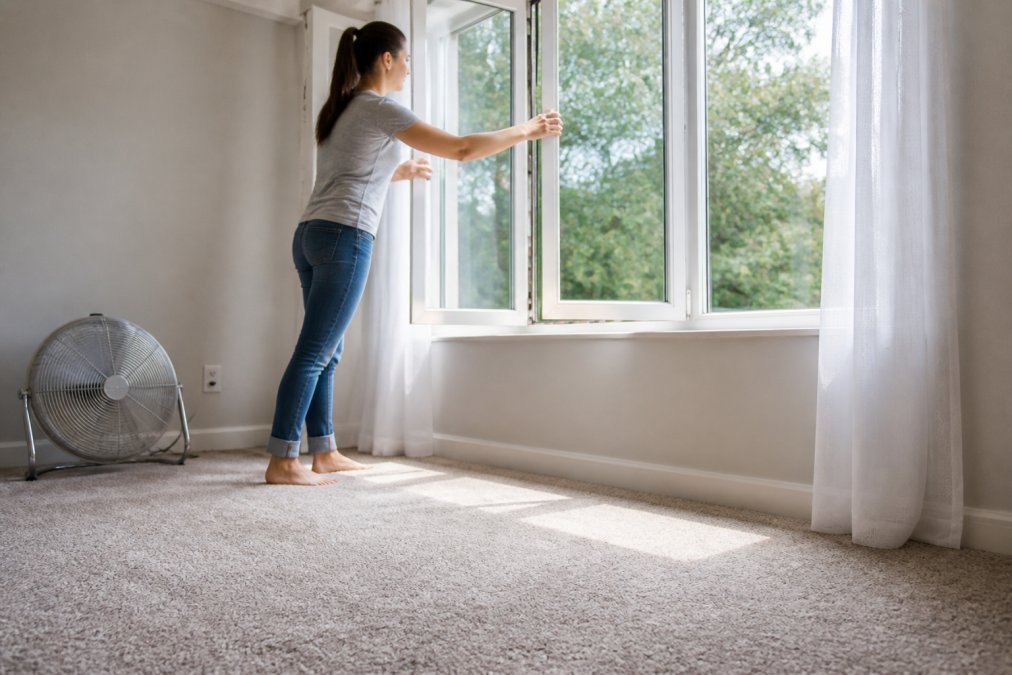
The best approach is to keep children and pets in a different area until the carpet is completely dry. Use fans, open windows, and ensure good ventilation. If you're using a professional service, ask them for their specific drying time estimates, it depends on their equipment and your home's conditions.
Professional vs. DIY Cleaning: What's Really Safe
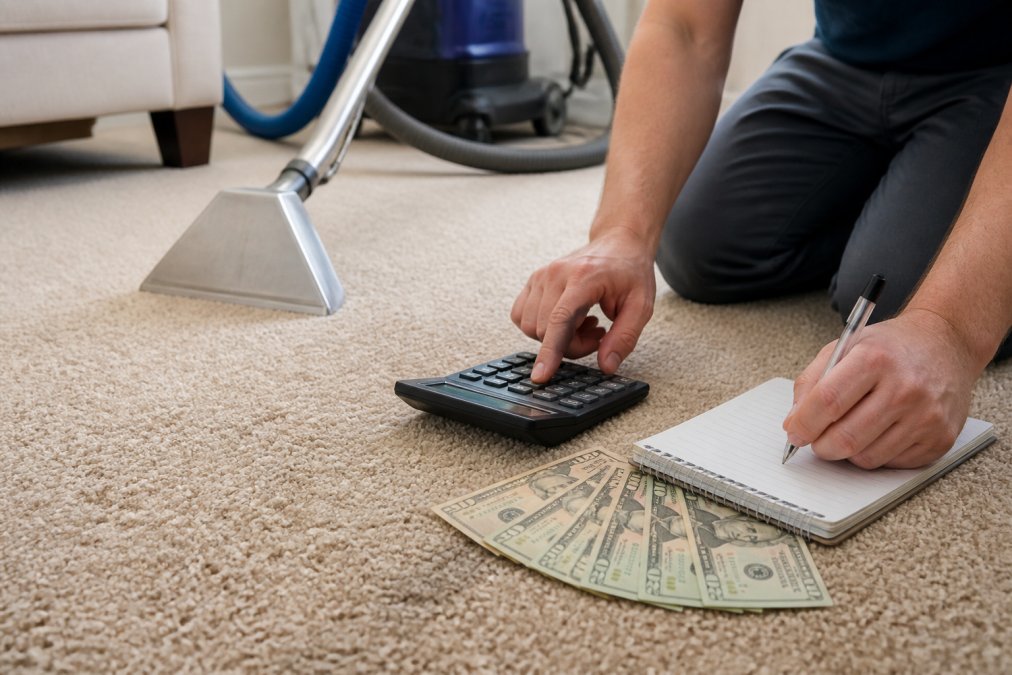
The question comes up constantly: why pay for professional cleaning when you can rent equipment from a hardware store for $50?
The answer isn't just about cleaning power. It's about what gets left behind.
DIY Rental Equipment: Consumer-grade machines don't extract moisture as effectively as professional equipment. They often leave carpets wetter, which means slower drying and more opportunity for mold growth. The cleaning solutions sold for DIY use are frequently more concentrated and harder to rinse out completely. You're also responsible for understanding proper dilution ratios, drying protocols, and residue removal, most homeowners don't get this right on the first try.
Professional Equipment: Commercial-grade machines apply significantly more pressure, heat, and suction. They're designed to extract not just water but the cleaning solution itself, leaving minimal residue. Professional technicians understand the chemistry of different carpet types and stains. They know how long to let solutions sit, when to rinse, and how to ensure complete extraction.
The real cost difference isn't the upfront price. It's what happens next. A DIY job that leaves residue behind means your toddler is exposed to that residue for weeks. A professional job with proper extraction means your carpet is genuinely clean and safe.
For homes with toddlers and pets, the professional approach isn't a luxury, it's the difference between a carpet that's been cleaned and one that's actually safe.
Your Post-Cleaning Safety Checklist
After your carpet is cleaned, a few simple steps ensure your family stays safe during the drying period and beyond.
Immediately After Cleaning:
- Keep children and pets off the carpet until it's completely dry (minimum 6-12 hours depending on conditions)
- Open all windows and doors to maximize ventilation
- Run fans or air movers in the cleaned areas to speed drying
- Leave interior doors open so air can circulate freely
- Avoid closing windows or using air conditioning that might trap moisture
During the Drying Period:
- Check that the carpet is drying evenly, wet spots indicate uneven extraction
- If you notice any remaining moisture after 12 hours, continue running fans
- Ensure humidity levels stay below 50% if possible (use a dehumidifier in very humid conditions)
- Don't walk barefoot on damp carpet, moisture can transfer to skin and cause irritation
After the Carpet Is Dry:
- Vacuum thoroughly once the carpet is completely dry to remove any residual particles
- Check for any remaining odors or sticky spots that might indicate incomplete rinsing
- Inspect high-traffic areas and pet zones for any signs of re-soiling
- If you notice soapy residue or sticky spots, request a follow-up rinse from your service provider
For Pet-Specific Concerns:
- Keep pets away from the carpet until fully dry to prevent them from tracking moisture through the house
- If your pet had an accident before cleaning, monitor that area closely after drying, enzymatic cleaners break down the stain but the scent marker may need additional treatment
- Vacuum pet areas more frequently in the first week after cleaning to remove any remaining dander or debris
Conclusion
Safe carpet cleaning for toddlers and pets isn't complicated, but it does require intentionality. The stakes are real, your family's health depends on choosing the right method and ensuring complete residue removal. Professional cleaning with certified, non-toxic solutions, proper extraction, and good drying protocols is the safest approach.
Sanctified Carpet & Upholstery Cleaning specializes in expert carpet cleaning and upholstery detailing designed specifically for families. We use professional-grade equipment, pH-balanced non-toxic solutions, and thorough extraction techniques to ensure your carpet is genuinely clean and safe for your children and pets. With our commitment to reasonable pricing and bundle deals, professional safety doesn't have to break your budget. Send a Message to get a quote and learn how we can help refresh your home.
Frequently Asked Questions
What kind of carpet cleaner is safe for children and toddlers?
Look for carpet cleaners certified by third-party programs like EPA Safer Choice or the Carpet and Rug Institute (CRI). These products are tested for carcinogenicity, reproductive toxicity, and environmental impact. Choose pH-balanced, biodegradable solutions with low volatile organic compounds (VOCs). Avoid products labeled only with unregulated terms like 'natural' or 'non-toxic', these words aren't regulated by law. Third-party certification ensures every ingredient, regardless of concentration, has been evaluated for safety.
How long should I keep pets off carpet after cleaning?
Keep pets off freshly cleaned carpets for at least 24 hours to allow complete drying and to prevent resoiling. Drying times typically range from 6 to 12 hours depending on ventilation, humidity, and carpet thickness. With professional equipment and good airflow, most rooms are ready in a few hours. However, waiting the full 24 hours ensures the carpet is completely dry and any cleaning solution has fully rinsed out. If you must use the space sooner, restrict pet access to cleaned areas until drying is confirmed.
Are carpet cleaning fumes safe for babies and toddlers?
Fumes from non-toxic, low-VOC carpet cleaners pose minimal risk to babies and toddlers when proper ventilation is used. However, chemical residues can remain in carpets for weeks or months, creating a 'chemical reservoir effect' where children and pets are exposed through skin contact and ingestion as they crawl. The risk is highest with traditional harsh detergents. Using eco-friendly, pH-balanced solutions and ensuring excellent ventilation during and after cleaning significantly reduces fume exposure and residue buildup.
How often should I professionally clean carpets in a home with toddlers and pets?
The Carpet and Rug Institute recommends professional deep cleaning every 12 to 18 months for most homes, but households with both toddlers and pets should aim for every 6 to 12 months. More frequent cleaning removes allergens, dust mites, pet dander, and accident residues before they accumulate. This schedule is especially important for families with allergy sufferers or asthma, as professional cleaning improves indoor air quality and removes contaminants that DIY methods miss.
| Safety Method | Drying Time | Best For | Residue Risk |
|---|---|---|---|
| Hot Water Extraction | 6-12 hours | Most carpet types | Low with proper rinsing |
| Very Low Moisture (VLM) | 1-2 hours | Homes needing fast turnaround | Very low |
| DIY Rental Equipment | 12-24+ hours | Budget-conscious (not recommended for safety) | High without proper technique |
| Enzymatic Spot Treatment | 4-6 hours | Pet accidents and organic stains | Low if rinsed thoroughly |
This article was written using GrandRanker