 how-to
Remove Stubborn Furniture Stains at Home
Table of Contents
- Identify the Stain Type Before You Touch Anything
- What You'll Need: Supplies and Safety Checks
- How to Remove Stubborn Furniture Stains from Upholstery
- Treating Wood Furniture Stains Without Damaging the Finish
- Upholstery Fabric Cleaning Codes: What They Mean for Stubborn Stains
- Upholstery Cleaning for Sensitive Skin: Safer Product Choices
- Troubleshooting Failed Attempts and Post-Cleaning Restoration
- Professional Upholstery Cleaning Benefits Worth Knowing
Last Updated: August 26, 2026
Spills and stains account for over 55% of all furniture damage according to Bend Bulletin furniture damage survey. The difference between a clean sofa and a ruined one often comes down to knowing your stain type, your fabric code, and your technique before you touch anything. This guide from Sanctified Carpet & Upholstery Cleaning walks you through exactly how to remove stubborn furniture stains at home, the right way.
Identify the Stain Type Before You Touch Anything
Furniture stains fall into three categories, and each one responds to different chemistry. Treating an oil-based stain with a water-based solution will spread it rather than lift it.
Water-Based vs. Oil-Based vs. Protein-Based Stains
Water-based stains include coffee, tea, juice, wine, and soft drinks. These respond well to cold water, club soda, or diluted vinegar applied with a damp cloth.
Oil-based stains, cooking grease, lotion, butter, makeup, need solvent-based cleaners or dish soap that cuts surface tension. Water alone will set them deeper into fabric fibers.
Protein-based stains are the trickiest: blood, urine, egg, and dairy. Heat is the enemy; hot water locks protein molecules into upholstery permanently. Cold water and enzyme-based cleaners are the correct approach. Research confirms enzyme-based detergents perform best for protein stains, while surfactant solutions are most effective against oil stains (peer-reviewed research).
A quick visual test helps: water-based stains leave a flat mark; oil stains create a darker, translucent ring; protein stains may have a slight odor and crusty texture when dry.
What You'll Need: Supplies and Safety Checks
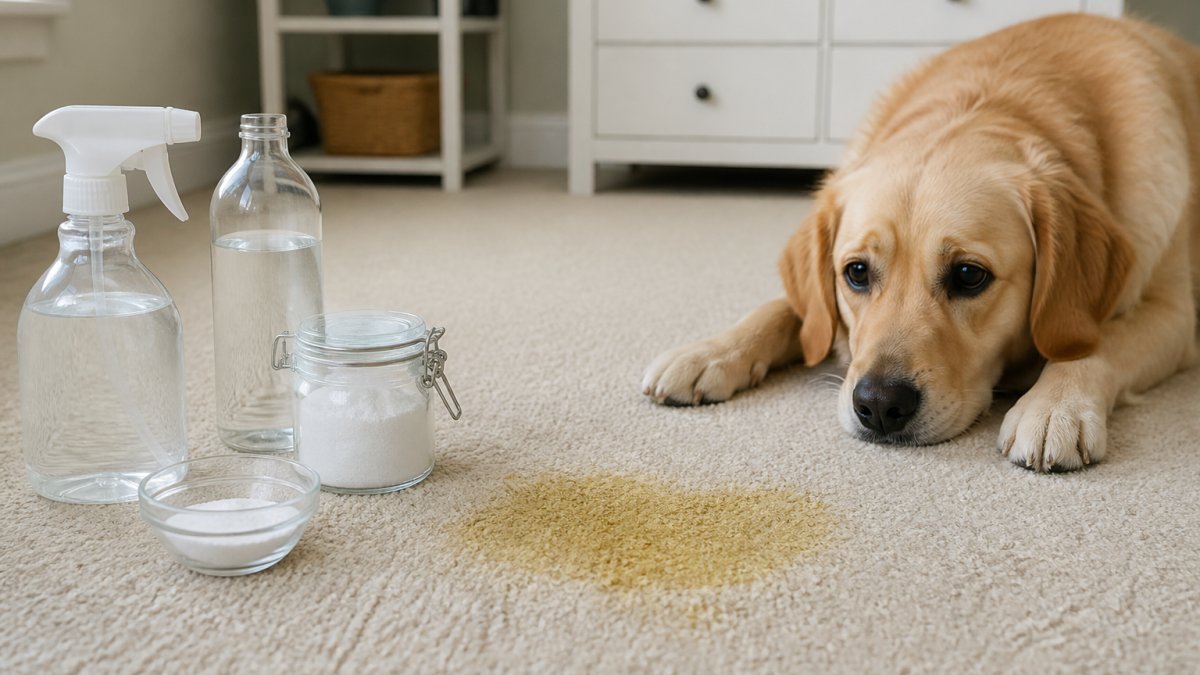
Gather these supplies before starting:
- White microfiber cloth or lint-free cotton cloths
- Spray bottle for diluted solutions
- Baking soda
- White distilled vinegar
- pH-neutral dish soap
- Club soda
- Cold water
- Absorbent material such as cornstarch or talcum powder
- Enzyme-based upholstery cleaner
- Tack cloth for wood surfaces
Avoid mixing products. Never combine bleach with vinegar, ammonia, or any acid-based cleaner, the chemical reaction produces toxic chlorine gas, causing respiratory damage and chemical burns.
Spot Testing for Colorfastness First
Spot testing is non-negotiable. Apply a small amount of your chosen solution to a hidden area: the back of a cushion, underside of a skirt, or interior seam. Wait five minutes. If the fabric shows decolorization, color transfer, or texture change, stop and choose a milder cleaner or call a professional.
How to Remove Stubborn Furniture Stains from Upholstery
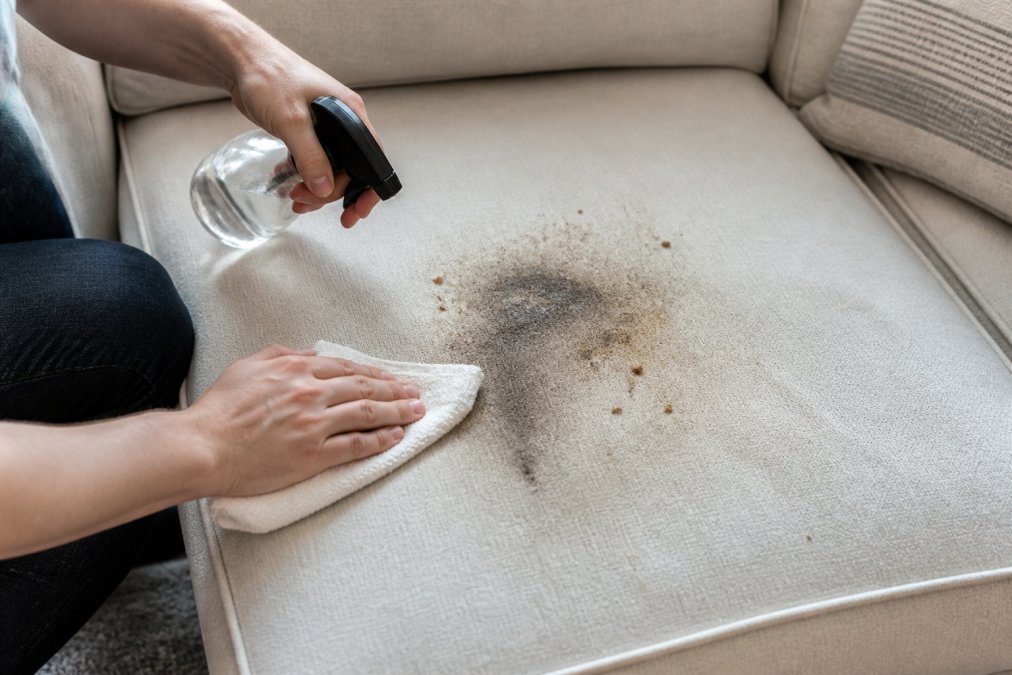
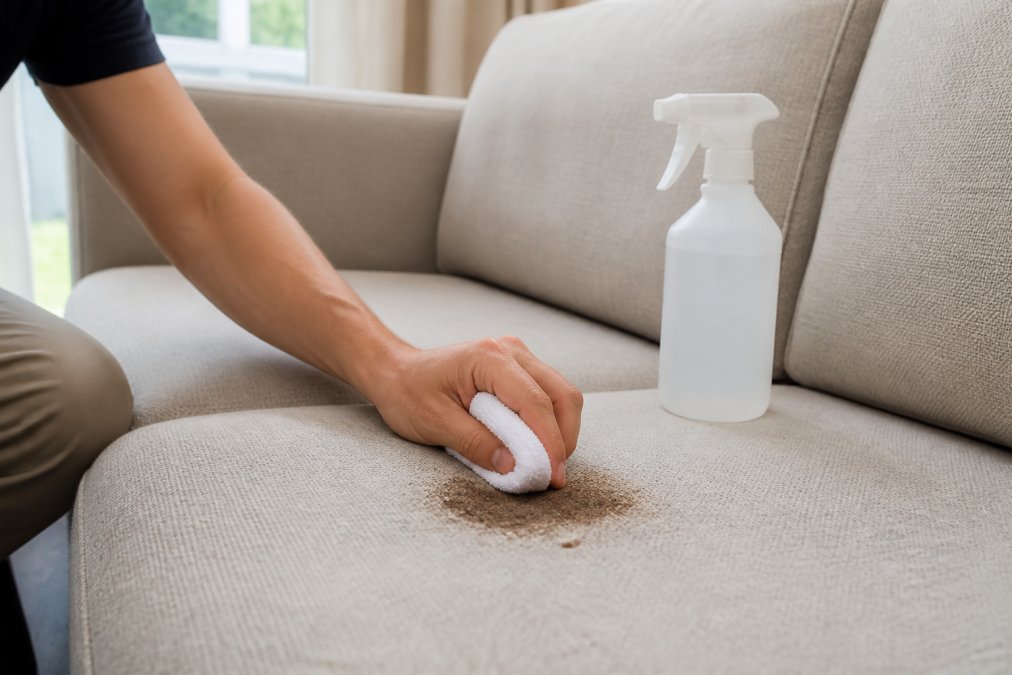
The most common error is rubbing, which spreads the stain, pushes it deeper, and causes permanent fiber damage. Blotting is always correct.
Blotting Technique and Gentle Agitation
Work from the outer edge of the stain toward the center to prevent spreading. Use a clean section of cloth with each blot; reusing the same spot transfers the stain back onto the fabric.
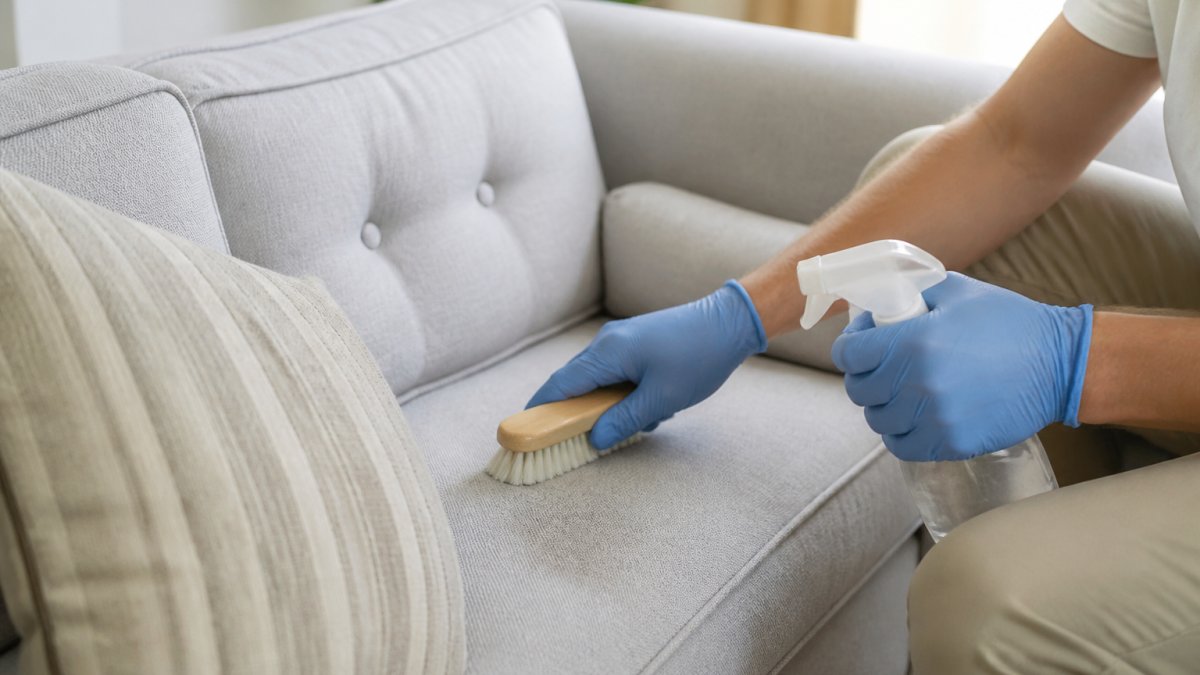
For gentle agitation on set-in stains, use a soft-bristled brush in short, circular strokes. Never scrub in long strokes; the goal is to lift the stain to the surface, not grind it deeper.
DIY Solutions: Baking Soda Paste, Vinegar Solution, and Club Soda
Baking soda paste works well on water-based and mild protein stains. Mix two tablespoons of baking soda with one tablespoon of cold water. Apply directly to the stain, let sit 15-20 minutes, brush away dried powder, and blot with a damp cloth.
Vinegar solution is effective for grease and mild odors. Mix equal parts white distilled vinegar and cold water in a spray bottle. Spray lightly and blot with a lint-free cloth. Never use vinegar on natural stone or unsealed wood, as it strips protective oils.
Club soda works on fresh spills due to carbonation, which lifts the stain through surface tension. Pour a small amount directly onto the stain, let it fizz for 30 seconds, then blot firmly.
Steam Cleaning for Deep Stain Extraction
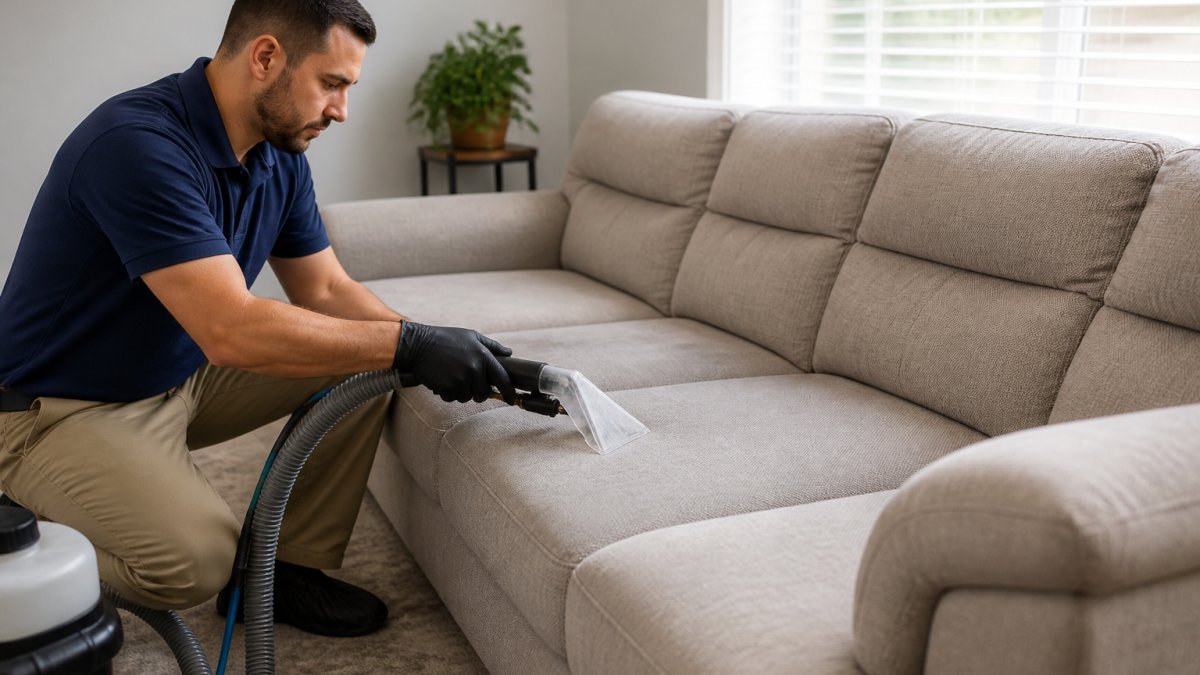
Steam cleaning is the most effective method for deep stain extraction. Heat and moisture loosen embedded particles without saturating the fabric. Use a handheld steamer with a fabric attachment, keeping the nozzle moving; holding it stationary can over-wet the material and create water rings.
Always check your fabric's cleaning code before steaming. After steam cleaning, place the piece in a well-ventilated area and allow full air drying before use.
Treating Wood Furniture Stains Without Damaging the Finish
Wood furniture requires a different approach. Always work with the wood grain, never across it, to avoid forcing debris into the grain and creating micro-scratches.
For water rings on finished wood, a baking soda paste applied with a soft cloth and rubbed gently along the grain often lifts the stain. Wipe away residue immediately with a dry lint-free cloth. For oil stains, a small amount of pH-neutral dish soap diluted in water, applied sparingly, handles most cases. Dry thoroughly afterward.
Avoid vinegar mixes on wood furniture. Vinegar's acidity can dull finishes, cause discoloration, and shorten surface lifespan. The same applies to lemon oil polishes and excess dish soap solutions, which strip protective oils and leave hardwood vulnerable to moisture damage.
Upholstery Fabric Cleaning Codes: What They Mean for Stubborn Stains
Upholstery fabric cleaning codes are standardized labels specifying which cleaning agents are safe. Ignoring them is one of the fastest ways to permanently damage a piece.
| Code | Meaning | Safe Cleaning Method |
|---|---|---|
| W | Water-based cleaners only | Use water, club soda, or water-diluted solutions |
| S | Solvent-based cleaners only | Use dry-cleaning solvents; no water |
| W/S | Water or solvent cleaners | Most flexible, both types are safe |
| X | Vacuum or brush only | No liquid cleaners of any kind |
Code "X" fabrics are most often damaged. Applying any liquid to an X-coded fabric can cause permanent tide marks and fabric distortion. If your furniture has no visible code, treat it as X until confirmed otherwise.
Upholstery Cleaning for Sensitive Skin: Safer Product Choices
Upholstery cleaning for sensitive skin requires products that don't leave chemical residues irritating skin on contact. This matters for households with young children, allergy sufferers, or anyone with eczema or contact dermatitis.
Prioritize pH-neutral, fragrance-free cleaners with no ammonia, bleach, or synthetic perfumes. Enzyme-based cleaners formulated for upholstery are generally well-tolerated because they break down stains biologically. After any cleaning treatment, rinse the area with a clean damp cloth to remove residue, then allow full air drying before use.
Over 65% of consumers now prefer cleaning products with natural ingredients or sustainable certifications (yougov.com). For upholstery cleaning for sensitive skin, baking soda and cold water remain the safest starting point for most stain types.
"As we tackle those cleaning chores, make sure you're using the right product the right way for the right task. Read the product label carefully, especially when you're disinfecting surfaces around the house. Always store cleaning products out of sight and out of the reach of young children." -- Brian Sansoni, Senior Vice President of Communications and Outreach at American Cleaning Institute (ACI Spring Cleaning Survey, 2025)
Troubleshooting Failed Attempts and Post-Cleaning Restoration
A failed cleaning attempt often creates a second problem worse than the original stain.
Fixing Tide Marks and Water Rings
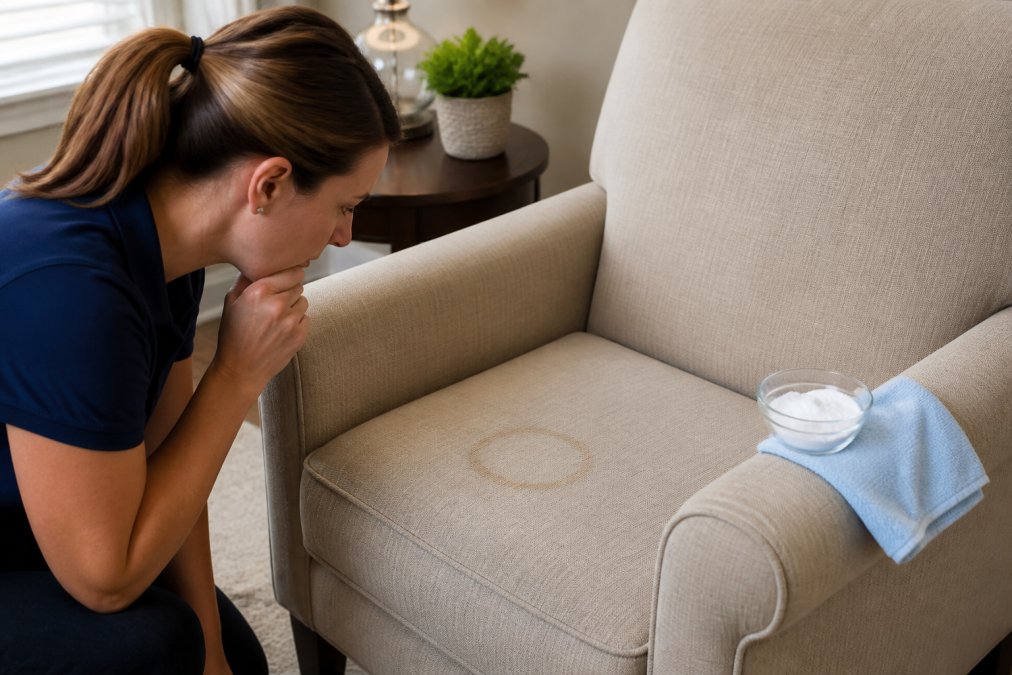
Tide marks form when cleaning solution carries dissolved soil to the edge of the treated area and deposits it as it dries. The fix is to re-wet the entire area with a lightly dampened cloth, working from center outward in broad, even strokes. This redistributes residue evenly so it dries without a defined edge. For persistent rings on upholstery, diluted white vinegar applied with a lint-free cloth and allowed to air dry completely often eliminates the mark.
On wood surfaces, a baking soda paste worked gently along the grain, followed by immediate drying, handles most water rings without damaging the finish.
Restoring Fabric Integrity After Treatment
After any stain removal process, restore fabric integrity with these steps:
- Allow the area to air dry completely before assessing results.
- Once dry, brush the fabric gently with a soft-bristled brush to restore pile direction.
- For microfiber upholstery, use a clean dry sponge to buff the surface back to original texture.
- If fabric feels stiff after drying, a light mist of plain water followed by gentle brushing restores softness.
- Avoid placing cushions back on a damp base; trapped moisture creates mold within 24 to 48 hours.
Professional Upholstery Cleaning Benefits Worth Knowing
DIY methods handle a lot. They don't handle everything.
Professional upholstery cleaning benefits go beyond what home methods can replicate. Commercial equipment extracts moisture at depths and speeds home tools cannot match, resulting in faster drying and less mold risk. Professional-grade enzyme treatments break down protein-based stains at the fiber level. Trained technicians read fabric codes, test for colorfastness, and select correct chemistry before touching the piece, eliminating guesswork that causes most DIY damage.
For households dealing with pet accidents, deep-set protein stains, or X-coded fabrics that cannot be touched with water, professional intervention is the practical choice.
| Situation | DIY Approach | When to Call a Pro |
|---|---|---|
| Fresh spill, W-coded fabric | Club soda + blotting | Not needed |
| Set-in stain, W/S fabric | Enzyme cleaner + steam | If DIY fails twice |
| Pet urine odor, deep penetration | Enzyme cleaner + air dry | Strongly recommended |
| X-coded upholstery | Vacuum only | Any liquid stain |
| Tide marks after DIY attempt | Re-wet full area + air dry | If mark persists |
| Wood finish damage from cleaner | Stop immediately, dry surface | Yes, assess damage |
Sanctified Carpet & Upholstery Cleaning specializes in exactly these situations, offering expert upholstery detailing and professional carpet cleaning for homeowners who want the job done right the first time. With very reasonable prices and bundle deals available, it's worth getting a quote before a second DIY attempt turns a manageable stain into a permanent one.
Frequently Asked Questions
Q: How do you get 20-year-old stains out of furniture?
A: Old, set-in furniture stains require more aggressive treatment than fresh ones. For upholstery, apply an enzyme-based cleaner directly to the stain, allow it to dwell for 10-15 minutes, then blot with a lint-free cloth. Repeat two or three times before air drying. Research confirms enzyme-based detergents perform best on protein-based stains. For wood furniture, try a baking soda paste worked gently along the wood grain. Stains older than several years may need professional stain extraction to avoid permanent damage.
Q: Is it safe to use vinegar on all upholstery fabrics?
A: No. Vinegar is a mild acid and can damage delicate fabrics like silk, rayon, or velvet. Always check the upholstery fabric cleaning code on your furniture tag first. Codes 'W' or 'W/S' allow water-based solutions, which a diluted vinegar solution may suit. Codes 'S' or 'X' mean water-based products, including vinegar, can cause water rings or decolorization. Always spot test on a hidden area for colorfastness before applying any DIY solution to the visible surface.
Q: When should you hire a professional upholstery cleaning service?
A: Call a professional when DIY attempts leave tide marks, the stain covers a large area, or the fabric tag shows an 'S' or 'X' cleaning code. Pet urine, mold, and oil-based stains that have set into the padding are also situations where professional equipment makes a real difference. That cost is often less than replacing damaged furniture, especially when a failed DIY attempt makes the stain worse or damages the fabric.
Q: What common household cleaning products should you never mix on furniture?
A: Never mix bleach with vinegar. The chemical reaction produces chlorine gas, which causes respiratory damage and chemical burns. Avoid mixing ammonia solutions with bleach as well. On wood furniture, keep dish soap and undiluted vinegar away from finished surfaces, both can strip protective oils and open wood pores, leading to long-term discoloration and moisture damage even when the stain itself appears removed.
Stubborn furniture stains become permanent when the wrong product meets the wrong fabric at the wrong moment. Sanctified Carpet & Upholstery Cleaning offers professional upholstery detailing and carpet cleaning services built around getting the result right, not just fast. If a stain has resisted your best efforts, or your furniture has a cleaning code that rules out DIY solutions, send a message to the Sanctified team and get a quote for expert care that fits your budget.
This article was written using GrandRanker