 how-to
How to Revitalize Old Dingy Carpets: 2026 Guide
Table of Contents
- Why Old Carpets Look Dingy (It's Not Always What You Think)
- Step 1: Vacuum Thoroughly Before Anything Else
- How to Fluff Matted Carpet Pile Back to Life
- Deep Clean Methods That Actually Revitalize Old Carpets
- How to Remove Red Wine Stain from Carpet Naturally
- Neutralizing Deep-Set Odors, Including Pet Urine
- Professional Carpet Cleaning vs. DIY: Which One Wins?
- Post-Cleaning Protection to Keep Revitalized Carpets Looking Fresh
Last Updated: August 25, 2026
Dry soil makes up 85% of the dirt embedded in carpets, and according to the Institute of Inspection Cleaning and Restoration Certification, residential carpets under normal conditions should receive professional cleaning at least every 12 to 18 months. Knowing how to revitalize old dingy carpets before they reach the point of no return can save you hundreds of dollars and add years to your flooring's life.
Why Old Carpets Look Dingy (It's Not Always What You Think)
Most people assume dingy carpet means stained carpet, leading to the wrong fix. Dull carpet appearance results from accumulated dry soil, body oils, airborne grease, and cleaning product residue layering over carpet fibers. This buildup acts as a gray filter over the carpet's true color.
Three distinct causes drive the problem: Matting compresses carpet pile in high-traffic areas, scattering light differently and making areas look darker. Residue buildup from over-shampooing attracts fresh dirt, accelerating the dull cycle. Actual soiling embeds dirt, pet dander, and oils that regular vacuuming cannot reach. By the time carpet visibly looks dirty, it's far dirtier than it appears, and fiber damage has already begun. Understanding which problem you're dealing with determines which solution works.
Step 1: Vacuum Thoroughly Before Anything Else
Skipping a proper vacuum before wet cleaning turns loose grit into mud, driving it deeper into the carpet backing and making extraction harder.
High-Traffic Areas Need Extra Passes
High-traffic areas accumulate dry soil at rates a single pass won't address. Run two or three slow passes in overlapping directions. Slow passes allow suction to pull embedded particles from deeper in the pile rather than skimming the surface. For homes with pets, daily vacuuming of high-traffic areas is baseline. For others, several times per week prevents premature wear.
Use a Carpet Rake to Lift Matted Fibers First
Before vacuuming, run a carpet rake through matted sections. This grooming tool separates compressed fibers and lifts the pile toward vertical, making vacuuming dramatically more effective and beginning texture restoration. Work the rake opposite to the carpet pile direction, then vacuum the same way. You'll be surprised how much loose soil comes up.
How to Fluff Matted Carpet Pile Back to Life
Matting severity determines the approach. Surface compression from foot traffic responds well to a carpet rake plus thorough vacuum. For stubborn areas, apply warm water with a damp towel, work fibers gently with your fingers or stiff brush, then allow to dry completely before vacuuming.
For furniture dents, the ice cube method works well. Place one or two ice cubes in the dent and let them melt completely. As water is slowly absorbed, it swells compressed fibers. Once dry, gently lift fibers upright with a coin or spoon, then vacuum.
Deep Clean Methods That Actually Revitalize Old Carpets
Deep cleaning addresses the source of dullness, not just symptoms.
Baking Soda and White Vinegar for Odor and Surface Grime
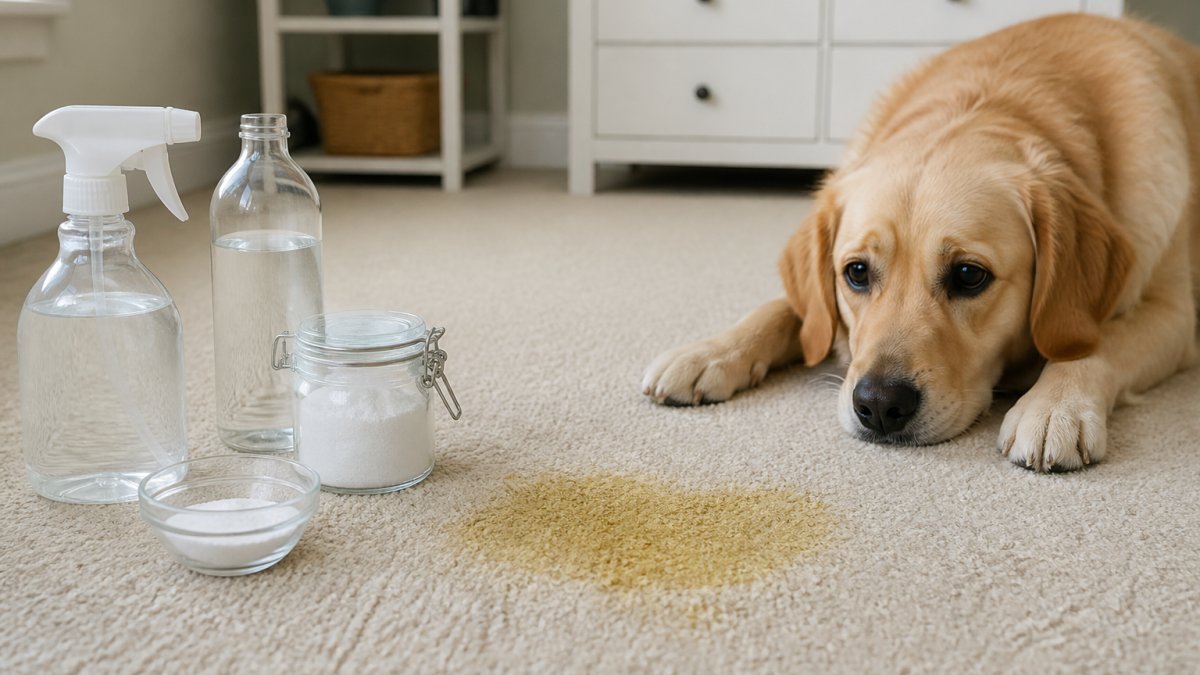
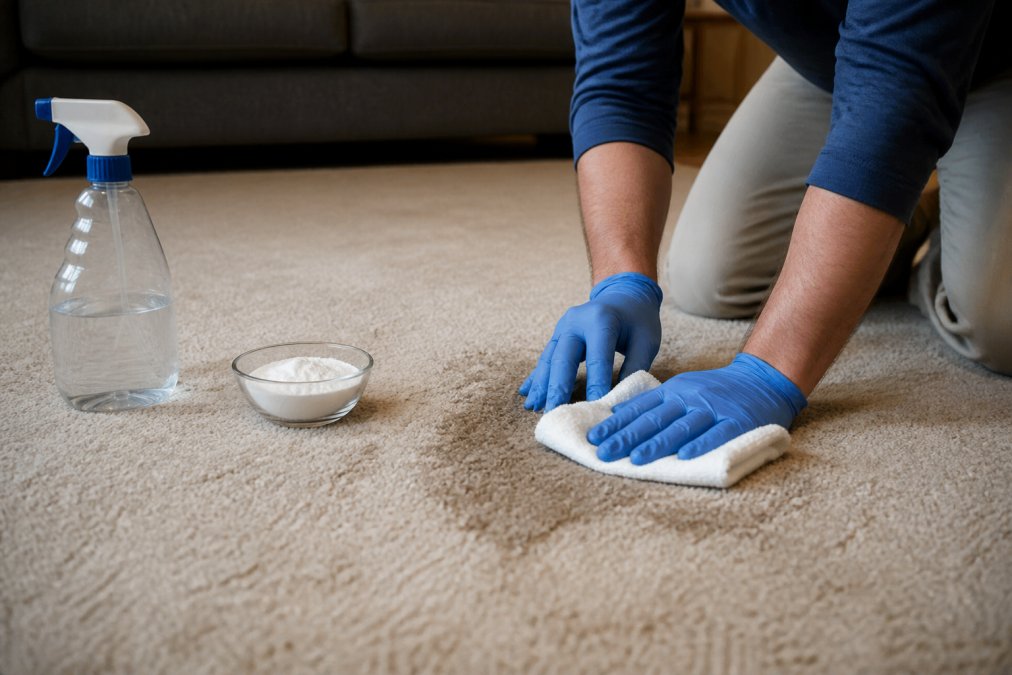
Baking soda is one of the most effective and affordable carpet refresh tools. Sprinkle generously over affected areas, let sit 15 to 30 minutes, then vacuum thoroughly. It works through odor absorption and mild abrasion, pulling surface grime and neutralizing acidic odor compounds.
White vinegar handles spot treatment. Mix equal parts white vinegar and warm water in a spray bottle, mist lightly, and blot with a clean white cloth. The fizzing reaction breaks down alkaline residue and lifts surface grime. Do not oversaturate, excess moisture reaching the carpet backing promotes mildew growth.
Carpet Rental Machines vs. Truck-Mounted Extraction
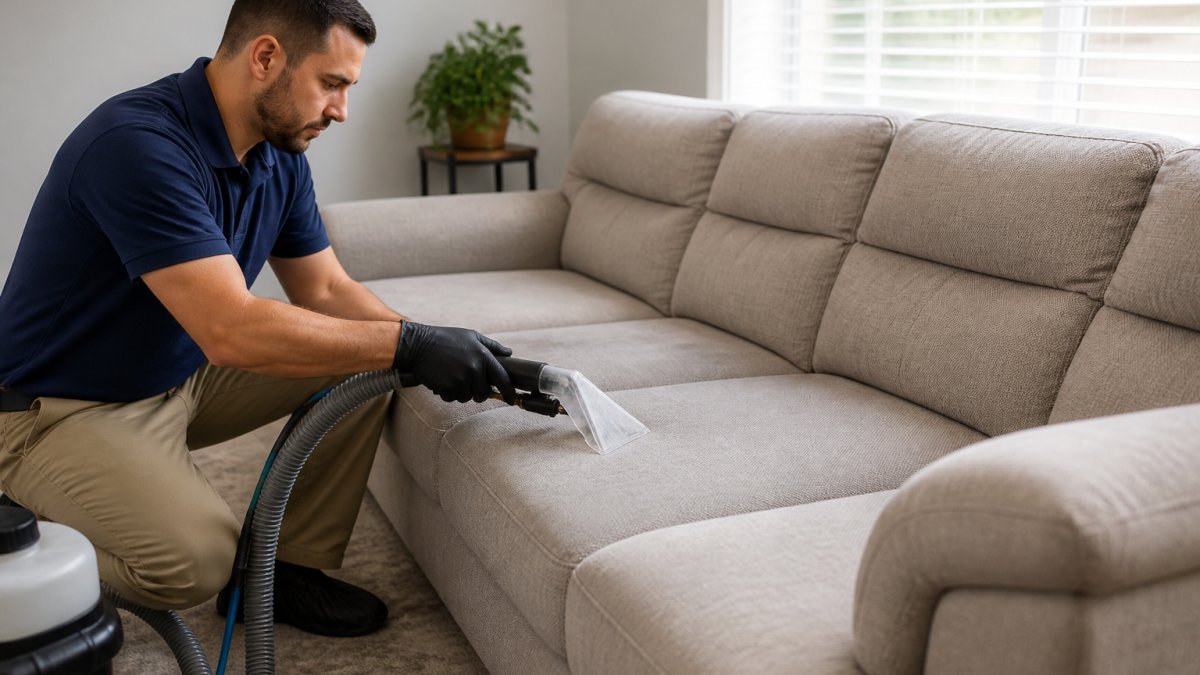
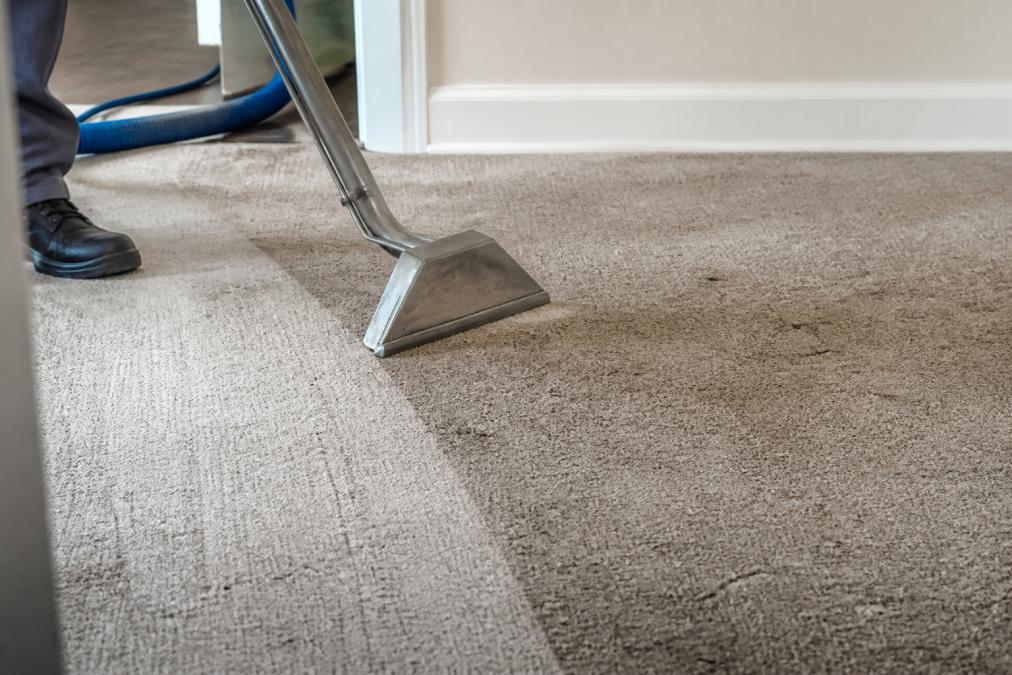
Rental machines offer budget-friendly DIY cleaning but operate at lower water pressure and suction than professional equipment, often leaving behind excess moisture and soapy residue that re-attracts dirt quickly. Truck-mounted extraction systems used by professional cleaners operate at significantly higher temperatures and suction. Professional hot water extraction is widely recommended by carpet manufacturers as the best method for deep cleaning and extending carpet life, and often aligns with warranty requirements.
Fiber-Specific Care: Synthetic vs. Natural Fibers
Synthetic fibers (nylon, polyester, olefin) tolerate white vinegar solutions, mild carpet shampoo, and hot water extraction well. Most modern residential carpets fall into this category.
Natural fibers (wool, sisal, jute) require different approaches. Wool is sensitive to high heat, alkaline cleaning products, and over-wetting. Use pH-neutral cleaning solutions specifically formulated for wool, apply minimal moisture, and ensure rapid drying. Hot water extraction on wool should only be performed by someone familiar with natural fiber care.
| Fiber Type | Safe Cleaning Method | Avoid | Drying Time |
|---|---|---|---|
| Nylon / Polyester | Hot water extraction, vinegar solution | Over-wetting | 4-8 hours |
| Olefin / Berber | Mild carpet shampoo, low moisture | Harsh agitation | 4-6 hours |
| Wool | pH-neutral solution, minimal moisture | High heat, vinegar | 12-24 hours |
| Sisal / Jute | Dry cleaning methods only | Any wet cleaning | N/A |
How to Remove Red Wine Stain from Carpet Naturally
Act immediately, the longer a red wine stain sits, the more tannins bond with carpet fibers. Blot, never rub, with a clean white cloth to absorb excess liquid. Once blotted, apply a mixture of one tablespoon dish soap, one tablespoon white vinegar, and two cups warm water. Work from the outside edge inward to prevent spreading. Blot with a fresh cloth, rinse with cold water, and blot dry.
Handling Set-In Stains That Have Already Dried
Rehydrate dried stains first by applying warm water and allowing it to soften for a few minutes. Then apply your cleaning solution and work gently with a soft brush before blotting. For old red wine or tannin-based stains, a paste of baking soda and small amount of hydrogen peroxide can lift remaining color. Apply the paste, allow to dry completely, then vacuum. Test hydrogen peroxide in a hidden area first.
Neutralizing Deep-Set Odors, Including Pet Urine
Pet urine odor requires more than surface treatments because urine soaks through carpet pile, backing, and often into the subfloor beneath. Enzyme-based cleaners contain biological compounds that break down the uric acid crystals responsible for persistent smell. Apply generously enough to reach the same depth the urine penetrated, cover with a damp towel, and allow to dwell per product instructions.
For severe or repeated accidents in the same area, the carpet padding may need replacement. No surface cleaning permanently eliminates odor when padding is saturated. According to the Carpet and Rug Institute's cleaning guidelines, the exact cleaning schedule depends on household occupants, traffic levels, and carpet warranty requirements.
Professional Carpet Cleaning vs. DIY: Which One Wins?
DIY cleaning handles routine maintenance, fresh spills, and mild odor issues reasonably well. Limitations become clear with deep-set stains, pet urine, and carpets not professionally cleaned in several years.
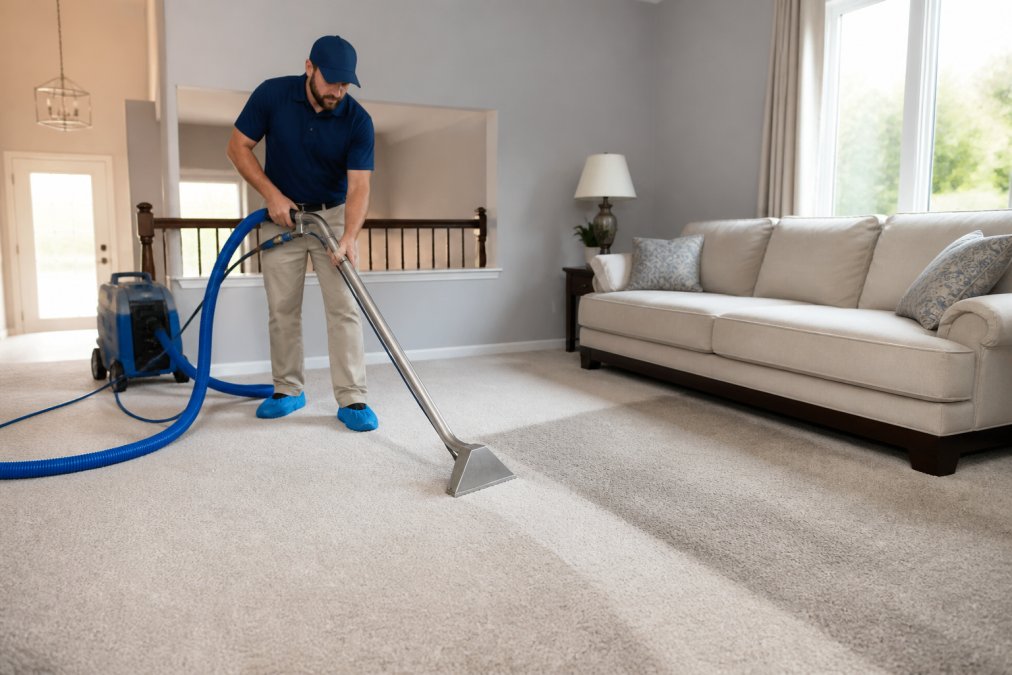
Professional carpet cleaning removes about 98% of pollutants and dirt from carpets (carpet-rug.org). Improper cleaning can also void carpet warranties, most manufacturers require professional hot water extraction at specified intervals to maintain coverage.
For households with children, pets, allergies, or heavy foot traffic, professional cleaning every six months is often recommended. For lighter-use homes, the 12-to-18-month guideline applies.
Post-Cleaning Protection to Keep Revitalized Carpets Looking Fresh
Entry mats at main doors capture dirt before it reaches carpet. A no-shoes policy is one of the single most effective long-term carpet maintenance decisions. Carpet protector treatments, typically applied after professional cleaning, create a barrier around fibers that repels liquid and eases future spot treatment.
For ongoing maintenance between deep cleans:
- Vacuum high-traffic areas several times per week
- Address spills immediately, blot, don't rub
- Use a carpet rake monthly in flat, high-traffic zones
- Rotate furniture periodically to distribute wear evenly
- Schedule professional extraction at least annually, or every six months for pet households
Revitalized carpets hold less allergen load, last longer, and create a healthier indoor environment. The maintenance habits that keep them that way are simpler than most people expect, they just need to be consistent.
Dingy, flat carpets are rarely beyond saving, but DIY methods have a ceiling. When baking soda, vinegar, and a rental machine have done their part and the carpet still looks tired, professional extraction makes the difference. Sanctified Carpet & Upholstery Cleaning specializes in professional carpet cleaning and expert upholstery detailing for homeowners who want real results at reasonable prices. Bundle deals are available for those looking to clean multiple rooms or combine carpet and upholstery work in a single visit. Send a message to get a quote and find out what your carpets can look like when they're genuinely clean.
Frequently Asked Questions
Is it worth cleaning a 30-year-old carpet, or should I just replace it?
It depends on the carpet's structural condition. If the backing is intact, fibers aren't worn through, and there's no widespread mold, professional deep cleaning can restore a surprising amount of color and softness. What appears to be faded or grayed-out carpet is often years of accumulated dirt and oils acting as a filter over the original color. A professional hot water extraction treatment can remove up to 98% of embedded pollutants. If the pile is shredded or the backing has separated, replacement makes more sense.
What natural solutions work best for dingy, discolored carpet?
Baking soda is the most reliable starting point, it absorbs odors and loosens surface grime without damaging carpet fibers. For spot treatment, a diluted white vinegar solution (equal parts water and vinegar) creates a fizzing reaction with baking soda that lifts mild stains. For a safer, less acidic alternative, plain club soda works well on fresh spills. Avoid using undiluted vinegar repeatedly, as the low pH can degrade natural fiber carpets over time. Always blot, never scrub, to protect the carpet pile.
How do I get rid of deep pet odors that keep coming back?
Pet urine soaks through carpet fibers into the backing and sometimes the subfloor beneath. Surface treatments only mask the odor temporarily. To fully eliminate it, the source needs enzymatic treatment, enzyme-based cleaners break down the uric acid crystals responsible for the smell. Apply the solution generously so it reaches the carpet backing, let it dwell for the time specified on the product, then extract thoroughly. Persistent odors that return after DIY treatment usually indicate saturation that requires professional hot water extraction with enzyme injection.
How often should I have old carpets professionally cleaned to keep them revitalized?
The IICRC recommends professional cleaning at least every 12 to 18 months under normal conditions. Homes with pets, children, or allergy sufferers should schedule cleaning every 6 months. Many carpet warranties also require documented professional cleaning on a set schedule to remain valid. Dry soil makes up about 85% of carpet dirt, and left unaddressed, it grinds away fibers like sandpaper, so regular professional cleaning protects both appearance and carpet lifespan, not just hygiene.
This article was written using GrandRanker