 ultimate-guide
Cost of Whole House Carpet Cleaning: 2026 Guide
Table of Contents
- What Drives the Cost of Whole House Carpet Cleaning
- Average Cost of Carpet Cleaning Per Room Explained
- Additional Fees That Affect Your Whole House Carpet Cleaning Quote
- Hidden Costs of Low-Ball Quotes and How to Spot Them
- Carpet Cleaning Bundle Deals: What They Include and When They Save You Money
- How Long Does Carpet Take to Dry After Professional Cleaning
- Pre-Cleaning Preparation and Post-Cleaning Maintenance
- Conclusion
Last Updated: August 23, 2026
What Drives the Cost of Whole House Carpet Cleaning
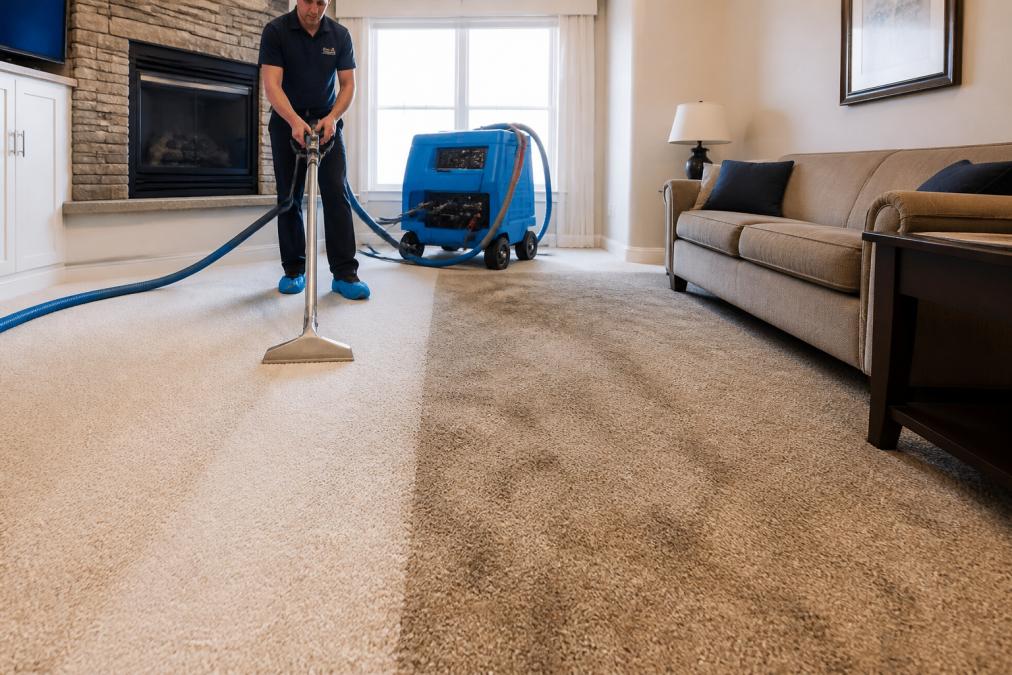
Whole house carpet cleaning is the process of professionally cleaning all carpeted areas in a home in a single service visit, typically using hot water extraction, dry cleaning, or encapsulation methods. The total cost depends on several interacting factors: square footage, fiber type, soil level, and cleaning method. Understanding these upfront is the difference between getting a fair quote and overpaying.
Square Footage and Room Count
Square footage is the most straightforward pricing variable. Larger homes require more time, cleaning solution, and equipment wear. Many providers price by the room, while others charge per square foot or offer whole-house flat rates.
Not all rooms are equal: a 400-square-foot open-plan living area costs significantly more than a 120-square-foot bedroom, even if both count as "one room." Always ask whether per-room rates have a square footage cap. High-traffic areas like hallways and living rooms accumulate more soil and require additional pre-treatment time.
Carpet Fiber Type and Soil Level
Natural fibers like wool require gentler cleaning chemistry and lower water temperatures to avoid shrinkage or color bleeding. Synthetic fibers, nylon, polyester, and olefin, are more forgiving and handle hot water extraction at standard temperatures.
Soil level is equally important. A lightly soiled bedroom is a different job than a heavily soiled living room with years of embedded dirt and pet dander. Deep cleaning takes longer and uses more product, both adding to cost.
Cleaning Method: Steam vs. Dry vs. Encapsulation
Hot water extraction (steam cleaning) is recommended by most carpet manufacturers for deep cleaning. It injects hot water and cleaning solution under pressure, then extracts it with dissolved soil. It is most thorough for heavily soiled carpets and pet odor but produces longer drying times.
Dry cleaning uses low-moisture compounds to absorb and lift soil without saturating the backing. Drying time is minimal, sometimes under an hour, making it appealing for homes that cannot be vacated long. It is less effective on deep-set stains.
Encapsulation applies a polymer solution that crystallizes around soil particles as it dries, then is vacuumed away. It works well as maintenance cleaning between deep extraction cycles but is not a substitute for hot water extraction on heavily soiled carpet.
| Method | Best For | Drying Time | Soil Removal Depth |
|---|---|---|---|
| Hot Water Extraction | Heavy soil, pet odors, deep cleaning | 4-12 hours | Deep |
| Dry Cleaning | Light soil, quick turnaround | Under 1 hour | Surface to mid-level |
| Encapsulation | Maintenance between deep cleans | 1-2 hours | Mid-level |
Average Cost of Carpet Cleaning Per Room Explained
Room-based pricing typically covers standard-sized rooms up to 200-250 square feet per room. Oversized rooms or open floor plans may be quoted differently. According to the Institute of Inspection Cleaning and Restoration Certification, proper carpet cleaning requires adequate dwell time for pre-treatment solutions, so a rushed per-room quote that ignores soil level is unreliable.
Per-Room Pricing vs. Whole-House Flat Rates
Per-room pricing works well for smaller jobs or spot treatments. Whole-house flat rates bundle every carpeted room for a single price and typically deliver better value per room, especially for homes with four or more carpeted spaces. The provider saves time on setup and mobilization, passing that efficiency to the customer.
Additional Fees That Affect Your Whole House Carpet Cleaning Quote
Most quotes start with a base rate and add line items for services outside standard cleaning. This is where low initial quotes inflate.
A service call fee or minimum charge covers mobilization, equipment loading, and travel. It applies regardless of job size, which is why whole-house cleaning often delivers better value than single-room cleaning.
Stain Removal and Pet Odor Treatment
Stain removal and pet odor treatment are almost always add-ons. Standard cleaning removes general soil, but set-in stains from wine, coffee, or biological sources require targeted pre-treatment with specialty chemistry.
Pet odor treatment is separate. Urine penetrates the carpet fiber, backing, and pad beneath. Surface cleaning leaves the odor source untouched. Effective treatment uses enzyme-based or oxidizing solutions that break down urine crystals at the source, sometimes followed by sanitization. Severe cases may require pad replacement.
According to EPA guidance on indoor air quality and biological contaminants, pet dander and biological waste in carpet can harm indoor air quality, particularly for allergy sufferers. Professional sanitization addresses this more thoroughly than consumer products.
Furniture Moving, Sanitization, and Protective Coatings
Furniture moving fees apply when technicians move sofas or beds to clean underneath. Some providers include light moving; others charge per item. Heavy furniture is usually excluded for liability reasons.
Sanitization treatments use antimicrobial solutions to reduce bacterial load and are typically priced per room or square foot.
Protective coatings like Scotchgard create a barrier that repels liquid and slows soil accumulation. They add upfront cost but extend the time between professional cleanings, making them worthwhile for high-traffic areas.
Hidden Costs of Low-Ball Quotes and How to Spot Them
A low-ball quote is deliberately underpriced to get a technician into your home. Once on-site, the price expands through upsells or a bait-and-switch on cleaning method. The technician assesses the carpet and explains that the quoted price only covers "basic" cleaning, requiring a "deep clean" at additional charge. With a crew already present, homeowners are in a poor negotiating position.
The Federal Trade Commission's consumer guidance on service pricing advises getting itemized written quotes before service begins and confirming exactly what is included.
How to protect yourself:
- Get a written, itemized quote before the appointment
- Ask what the base rate includes and excludes
- Confirm whether pet treatment, stain removal, and furniture moving are additional
- Request the minimum charge and service call fee upfront
- Ask which cleaning method will be used
A provider who cannot answer these questions before arrival is not worth hiring.
Carpet Cleaning Bundle Deals: What They Include and When They Save You Money
Bundle deals typically combine carpet cleaning with upholstery cleaning, area rug cleaning, or stair cleaning at a discounted rate. They exist because mobilization cost is fixed; adding scope to an existing visit costs the provider less than a separate trip.
A legitimate bundle saves money when you genuinely need both services. If your living room carpet and upholstered sofa both need cleaning, booking together is almost always cheaper than two separate appointments. The provider is already on-site; adding the sofa is incremental work.
Sanctified Carpet & Upholstery Cleaning offers bundles combining carpet cleaning with upholstery detailing, a natural pairing for households with both carpeted floors and fabric furniture. Booking both in one visit typically delivers better value than scheduling separately.
Where bundles do not make sense: if you are pushed to add services you had not considered, treat that as a sales conversation, not a savings opportunity.
How Long Does Carpet Take to Dry After Professional Cleaning
Carpet drying time depends primarily on the cleaning method, airflow, and ambient humidity.
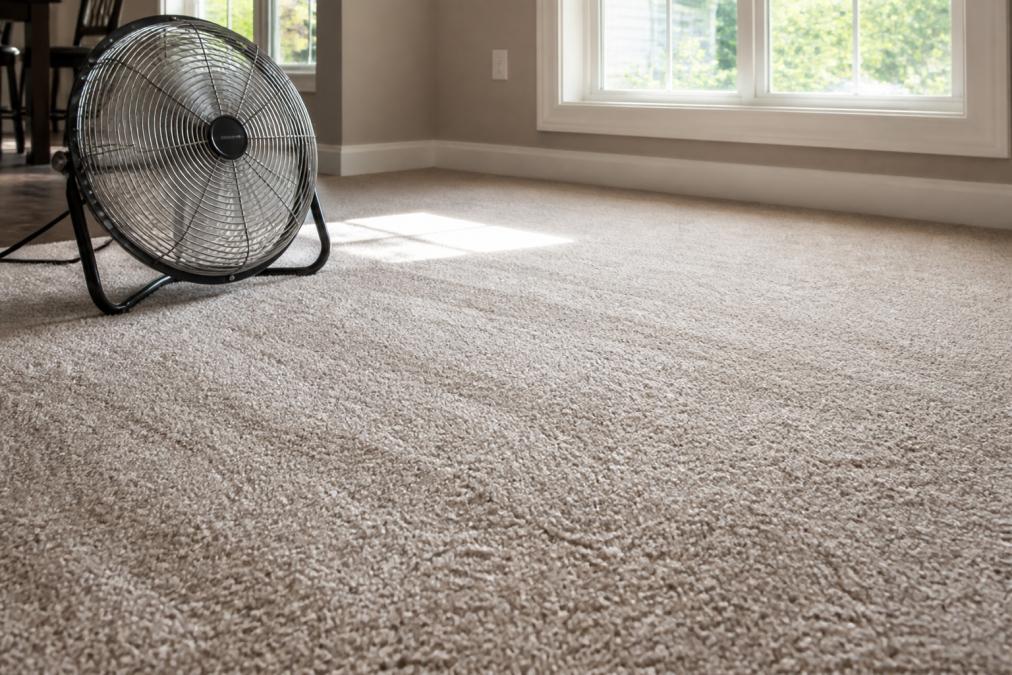
Hot water extraction leaves carpets damp for four to twelve hours under typical conditions. Dry cleaning and encapsulation cut that to one to two hours.
The biggest factor homeowners control is airflow. Running ceiling fans, opening windows, and placing portable fans across cleaned areas accelerates evaporation. In humid conditions or cold months, drying times stretch longer.
Walking on freshly cleaned carpet with outdoor shoes redeposits soil into damp fibers. Use socks or clean indoor footwear for the first few hours.
According to IICRC S100 Standard for Professional Carpet Cleaning, carpets should dry to a safe moisture level within 24 hours to prevent microbial growth. Professional equipment with strong extraction significantly reduces remaining moisture.
Pre-Cleaning Preparation and Post-Cleaning Maintenance
Pre-Cleaning Checklist
Preparing your home before the cleaning crew arrives maximizes value. Technicians who spend time moving clutter are not cleaning carpet.
Work through this checklist:
- Vacuum all carpeted areas thoroughly to remove loose surface soil
- Remove small furniture items, floor lamps, and decor from carpeted rooms
- Pick up loose items from the floor (toys, shoes, cords, pet items)
- Secure pets in a separate room or arrange for them to be off-site
- Identify and mark known stain locations for pre-treatment
- Confirm parking access for truck-mounted units
- Ensure the technician has access to a water source if needed
Vacuuming before the appointment is particularly important. Professional cleaning removes embedded soil, not surface debris. Pre-vacuuming prevents wasting technician time on work a home vacuum handles.
Post-Cleaning Maintenance Schedule for Carpet Longevity
Carpet longevity is directly tied to consistent maintenance between professional cleanings. A regularly vacuumed carpet with prompt spill treatment and reasonable professional cleaning intervals will outlast one addressed only when visibly soiled.
A practical maintenance schedule:
| Task | Frequency | Notes |
|---|---|---|
| Vacuuming (high-traffic areas) | 2-3 times per week | Removes surface soil before embedding |
| Vacuuming (low-traffic areas) | Once per week | Prevents dust and allergen buildup |
| Spot treatment of spills | Immediately | Blot, do not rub; use appropriate cleaner |
| Professional deep cleaning | Every 12-18 months | Every 6-12 months for pet households |
| Protective coating reapplication | After each professional clean | Extends protection between cleanings |
| Carpet inspection for wear | Annually | Check seams, edges, and high-traffic paths |
Pet households and homes with children or allergy sufferers benefit from more frequent professional cleaning. The difference between a carpet lasting 15 years versus eight often comes down to this schedule being followed consistently.
Frequently Asked Questions
How much does professional carpet cleaning typically cost for a whole house?
Whole house carpet cleaning costs depend on total square footage, the number of rooms, soil level, and the cleaning method used. Homes with high-traffic areas, pet odors, or heavily stained carpet cost more than lightly soiled spaces. Pricing models also vary: some providers charge per room, others charge per square foot, and others offer whole-house flat rates. The best way to get an accurate figure is to request a quote based on your specific home layout and carpet condition.
What factors influence the total price of carpet cleaning services?
Several factors shape the final bill: total square footage, carpet fiber type (wool and delicate blends cost more to clean safely), soil level, the cleaning method chosen (hot water extraction tends to cost more than dry cleaning or encapsulation), and any add-ons like stain removal, pet odor treatment, deodorizing, or protective coating application. Service call fees and minimum charges also apply with many providers. Furniture moving and sanitization are sometimes billed separately.
Do professional carpet cleaners charge extra for stain removal or pet odor treatment?
Yes, most professional cleaners charge extra for stain removal and pet odor treatment beyond standard deep cleaning. Pet urine treatment often requires a pre-treatment enzyme application before hot water extraction, plus a deodorizing step afterward, each adds to the base price. Heavily set stains may need multiple passes with professional equipment. Ask for a line-item quote so you know exactly what is included in the base rate versus what carries an additional fee.
What is the difference between per-room pricing and whole-house flat rates?
Per-room pricing charges a set fee for each room cleaned, regardless of exact size, though most providers cap room size at around 200 square feet. Whole-house flat rates bundle all rooms into one package price, which often works out cheaper per room. Flat-rate packages also tend to include extras like a hallway or closet at no additional charge. For larger homes, a whole-house package usually offers better value than paying room by room.
How often should you schedule a professional deep cleaning for your carpets?
Most carpet manufacturers and cleaning professionals recommend a professional deep clean every 12 to 18 months for average households. Homes with pets, children, allergy sufferers, or high-traffic areas benefit from cleaning every 6 to 12 months. Regular professional cleaning removes embedded soil and allergens that vacuuming leaves behind, which extends carpet longevity and maintains indoor air quality. Sticking to a maintenance schedule also prevents soil buildup that makes future cleaning harder and more expensive.
Is it worth getting carpets professionally cleaned versus renting a machine?
Rental machines use portable units with far less suction and water pressure than truck-mounted professional equipment. They leave carpets wetter, which increases drying time and raises the risk of mold or mildew. Professional hot water extraction reaches deeper into carpet fibers, removes more soil, and extracts more moisture. For routine light refreshing, a rental can help, but for deep cleaning, stain removal, pet odor treatment, or whole house carpet cleaning, professional equipment consistently delivers better and longer-lasting results.
How long does carpet take to dry after professional cleaning?
Drying time after professional carpet cleaning depends on the method used, humidity levels, and airflow. Hot water extraction typically leaves carpet damp for 6 to 12 hours under normal ventilation. Dry cleaning and encapsulation methods dry significantly faster, often within 1 to 2 hours. Opening windows, running fans, and turning on air conditioning or heating speeds drying considerably. Truck-mounted systems extract more water than portable units, which shortens drying time compared to rental equipment.
Whole house carpet cleaning costs are shaped by more variables than most homeowners anticipate, and the lowest quote is rarely the best value. If you are ready to get an accurate, transparent estimate for your home, send a message to Sanctified Carpet & Upholstery Cleaning. Our team covers carpet cleaning and upholstery detailing with bundle deals that make sense for your budget, and we will tell you exactly what is included before we show up.
This article was written using GrandRanker