 how-to
How to Remove Furniture Indentations from Carpet
Table of Contents
- Why Furniture Leaves Indentations in Carpet Fibers
- The Ice Cube Method: Step-by-Step
- Heat and Moisture: Using a Steam Iron or Hairdryer
- Best Tools for Removing Carpet Dents
- How to Fluff Matted Carpet and Restore Pile Height
- Matching Methods to Carpet Material: Synthetic, Wool, and Berber
- How to Remove Red Wine Stain from Carpet Naturally
- When to Call a Professional for Carpet Restoration
- Frequently Asked Questions
Last Updated: September 24, 2026
Why Furniture Leaves Indentations in Carpet Fibers
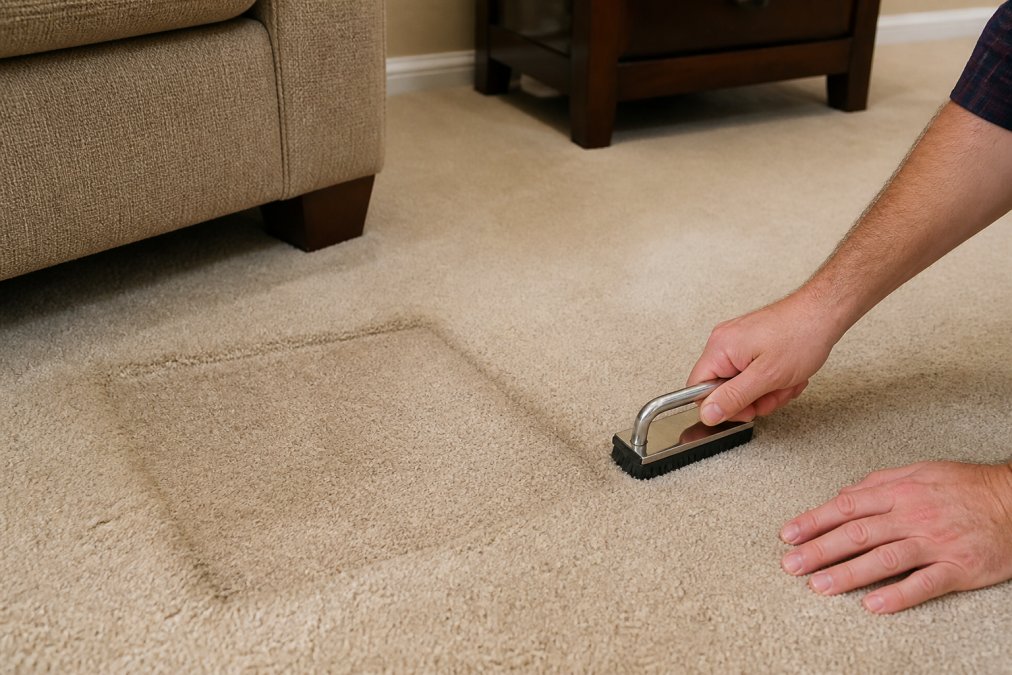
Furniture indentations happen because heavy pieces compress the carpet pile, crushing the fibers and sometimes the backing underneath. When the weight sits in one spot for months, those fibers lose their ability to spring back on their own. Knowing how to remove furniture indentations from carpet starts with understanding what you're actually fixing: crushed fiber, not permanent damage.
Here's what matters most:
- Weight and time decide how deep the dent goes
- Fiber type decides how easily it recovers
- Moisture and heat are the two tools that relax fibers back into shape
The Ice Cube Method: Step-by-Step
The ice cube method is the most popular home fix for carpet dents, and for good reason: it's cheap, gentle, and works on most synthetic carpets. You place ice cubes in the dent, let them melt slowly, and the moisture swells the compressed fibers back up.
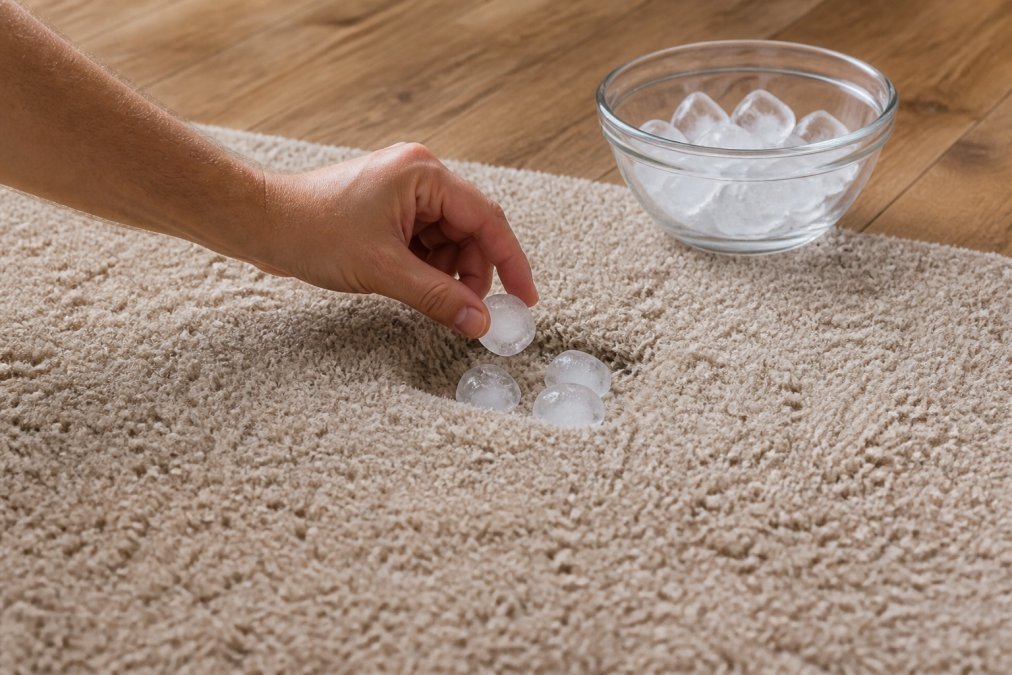
Here's how to do it:
- Drop two or three ice cubes into each indentation
- Let them melt completely, usually 2 to 4 hours
- Blot the wet spot with a clean towel
- Vacuum the area while the fibers are still slightly damp
- Brush the pile up with your fingers or a spoon
How Long to Let Ice Melt
Let the ice melt fully, which usually takes 2 to 4 hours depending on room temperature. Larger or deeper dents may need a second round. If the carpet still shows a mark after it dries, repeat the process once more before trying heat.
Heat and Moisture: Using a Steam Iron or Hairdryer
Heat relaxes carpet fibers, and moisture helps them hold their new shape. A steam iron or hairdryer can lift dents that ice alone won't fix. This approach works well on stubborn spots and on denser pile.
Safety Precautions for Heat Application
Heat can damage carpet if you're careless. Follow these rules:
- Keep the iron or dryer at least a few inches from the surface
- Never leave a hot tool resting on the carpet
- Test on a hidden spot first
- Stop if you smell burning or see the pile change texture
- Let the area cool before you walk on it
Best Tools for Removing Carpet Dents
The best tools for removing carpet dents are simple household items, not expensive gear. You likely already own most of them. Here's what actually works, ranked by how often we reach for them:
| Tool | Best For | How to Use It |
|---|---|---|
| Ice cubes | Most synthetic carpets | Place in dent, let melt |
| Steam iron | Stubborn, dense pile | Hold above surface, steam |
| Hairdryer | Quick touch-ups | Warm air plus fluffing |
| Spoon or coin | Lifting matted pile | Gentle circular agitation |
| Spray bottle | Light rehydration | Mist, then fluff |
| Vacuum with brush attachment | Final lift | Vacuum damp fibers |
How to Fluff Matted Carpet and Restore Pile Height
Learning how to fluff matted carpet comes down to moisture plus gentle agitation. Once the fibers are damp and warm, you lift them back into place with your fingers, a spoon, or a soft brush. Work in small circles, not hard scrubbing.
Try this sequence:
- Mist the area lightly
- Warm it with a hairdryer
- Fluff with a spoon in circles
- Vacuum with a brush attachment
- Repeat if the dent lingers
Matching Methods to Carpet Material: Synthetic, Wool, and Berber
Most guides hand you one method and hope it works. It won't, because the fiber content of your carpet decides which methods are safe and which ones cause permanent damage. Before you touch a dent, identify what you're working with. Check the manufacturer's label, a leftover installation scrap, or the original spec sheet if you have it.
- Nylon: The most resilient common carpet fiber. It has high memory, meaning it wants to spring back once the compression is released. Nylon tolerates the ice cube method, moderate steam, and hairdryer heat well. This is the fiber most home methods were designed around.
- Polyester (PET): Softer hand and lower resilience than nylon. It responds to ice and light moisture but is more heat-sensitive. Polyester has a lower melting point than nylon, so a steam iron held too close can glaze or melt the surface. Keep heat low and keep the tool moving.
- Olefin (polypropylene): Common in looped and Berber-style carpets and in basements. Olefin has a low melting point and poor resilience, so it crushes easily and recovers slowly. Ice and cool moisture are the safest first move. Avoid high heat entirely.
- Wool: A natural protein fiber with excellent resilience but real sensitivity to heat and alkalinity. Wool responds beautifully to cool moisture and gentle agitation. Heat plus moisture plus friction is the recipe for felting, the fibers interlock and the pile becomes permanently matted. Use cool water, no steam, and light fluffing only.
- Berber (looped construction): Berber is a construction style, not a fiber, and it can be wool, nylon, or olefin. The loop structure is the issue: a spoon, coin, or stiff brush can snag a loop and pull it, creating a permanent runner. Use fingers or a very soft brush, and never scrub against the loop direction.
A simple decision path:
- Identify the fiber (label, scrap, or spec sheet).
- If it's wool or an unknown natural fiber, start with ice and cool moisture only.
- If it's olefin or a low-melt synthetic, skip steam and use ice plus a hairdryer on low.
- If it's nylon, you can use the full range: ice, steam, and heat.
- If it's a looped or Berber construction, swap any stiff tool for your fingers.
Surface Compression vs. Crushed Backing
Not every dent is the same kind of problem, and this is where most guides stop short. There are two distinct failure modes, and they have different outcomes.
Eco-Friendly, Chemical-Free Alternatives for Delicate Rugs
For antique rugs, wool area rugs, and any piece you're afraid to wet, there are non-heat, non-moisture options worth trying first:
- Fiber relaxation by hand: Work the tufts upright with clean, dry fingers in small circles. Slow, but zero risk.
- Cool air and time: A fan directed at the dent, combined with daily hand-fluffing, can gradually relax mild compression without any moisture.
- Weight redistribution: Slide a furniture coaster or a wide flat foot under the leg so the load spreads across more surface area, then let the dent recover on its own over days.
- Dry brush lift: A soft, dry upholstery brush used in the direction of the pile can lift surface compression without introducing water.
How to Remove Red Wine Stain from Carpet Naturally
Knowing how to remove red wine stain from carpet naturally saves you from reaching for harsh chemicals. The key is speed. Blot the spill right away, then use a simple mix of dish soap, white vinegar, and cold water.
Here's a natural approach:
- Blot the wine with a clean cloth, don't rub
- Mix one teaspoon of dish soap with one cup of cold water
- Add a tablespoon of white vinegar
- Apply to the stain and blot
- Rinse with cold water and blot dry
natural stain removal guidance
When to Call a Professional for Carpet Restoration
Some dents and stains need more than home methods. If a mark survives ice, heat, and fluffing, or if the fibers look crushed or shiny, it's time to bring in a pro. Deep-set dents, long-standing stains, and damage to the backing usually need professional equipment.
Frequently Asked Questions
Are carpet indentations permanent?
Most carpet indentations are not permanent, especially on synthetic fibers like nylon or polyester. Crushed pile can usually be rehydrated and lifted using the ice cube method, a steam iron, or a hairdryer. Wool carpet may recover more slowly, and indentations left for months under heavy furniture can take longer to bounce back. If DIY methods fail after several attempts, a professional steam cleaning can restore carpet fibers more effectively.
Can a hairdryer remove carpet indentations?
Yes, a hairdryer can help lift shallow indentations. Set it to medium heat, hold it a few inches above the dent, and move it continuously to avoid scorching. Once the carpet fibers feel warm, fluff them with your fingers or a spoon. This works best on synthetic carpet. For wool or berber, keep the heat low and combine it with a damp cloth to add moisture without risking heat damage to the pile.
How long does it take for carpet dents to disappear?
With the ice cube method, expect the ice to melt in 2 to 4 hours depending on room temperature. After that, blot the area, fluff the fibers, and let it dry completely, which takes another few hours. Steam and hairdryer methods work faster, often showing improvement within 15 to 30 minutes. Deep or long-standing indentations may need two or three sessions before the carpet pile returns to its original height.
Does steam cleaning remove furniture dents from carpet?
Professional steam cleaning can remove furniture dents because the heat and moisture rehydrate compressed fibers and help them spring back. It also lifts embedded dirt that weighs down the pile. If you are dealing with stubborn indentations across a large area, or if your carpet has been crushed for years, a professional cleaning service can restore the carpet more thoroughly than home tools.
Crushed carpet fibers and set-in stains can make a room feel tired, even after you've tried every home trick. Sanctified Carpet & Upholstery Cleaning offers professional carpet cleaning, expert upholstery detailing, and bundle deals that fit a budget. Our team delivers personable service and results that bring your floors and furniture back to life. Get started with Sanctified Carpet & Upholstery Cleaning and refresh your home environment.