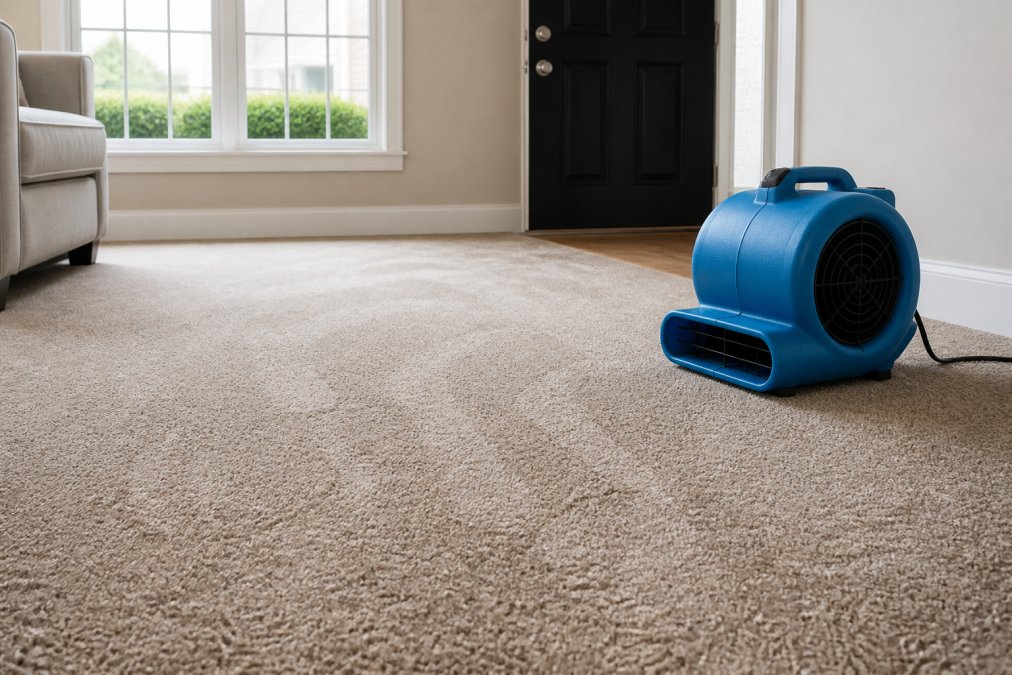
 how-to
How Long for Carpets to Dry After Cleaning
Table of Contents
- How Long for Carpets to Dry After Cleaning
- Drying Times by Cleaning Method
- Factors That Affect Carpet Drying Time
- How to Speed Up Carpet Drying Time
- Can You Walk on Wet Carpet After Cleaning
- Risks of Carpets Staying Wet Too Long
- How to Remove Red Wine Stain From Carpet Naturally
- Frequently Asked Questions
Last Updated: September 2, 2026
How Long for Carpets to Dry After Cleaning
Carpet drying time reflects how carefully moisture was managed during cleaning. Understanding how long for carpets to dry after cleaning helps you plan your schedule and protect your investment. According to Be Green Carpet Cleaning Service, carpets typically take 6 to 24 hours to dry after professional cleaning, with most drying within 6 to 12 hours. This timeline varies significantly based on the cleaning method, environmental conditions, and carpet material.
At Sanctified Carpet & Upholstery Cleaning, we prioritize moisture management techniques that get your carpets dry faster without compromising cleaning quality. Below, we'll show you exactly what determines drying time, which methods dry fastest, and how to speed up the process in your home.
Drying Times by Cleaning Method
Different cleaning methods use vastly different amounts of water, which directly impacts drying time.
Hot Water Extraction (Steam Cleaning)
Hot water extraction, commonly called steam cleaning, is the most popular professional method. This method injects hot water mixed with cleaning solution deep into carpet fibers, then extracts the dirty water using powerful suction. According to Newpoint's drying time analysis, carpets typically take 6 to 24 hours to dry after hot water extraction, with most drying within 6 to 12 hours under normal conditions.
After hot water extraction cleaning, it's typically advisable to wait 4-6 hours before light foot traffic, according to EXTERNAL_LINK: Be Green [Carpet Cleaning Service guidance | begreencleaningservice.com]. This waiting period allows carpet fibers to firm up and prevents re-soiling from footprints. The advantage is thorough soil removal and allergen reduction; the trade-off is patience.
Low-Moisture and Very Low Moisture Methods
Low-moisture cleaning methods use minimal moisture combined with specialized equipment and cleaning agents. Very low moisture (VLM) cleaning can lead to drying times of 1 to 4 hours according to Newpoint's moisture analysis. Some low-moisture methods, such as encapsulation, can cut drying times to as little as 1 to 2 hours, reducing drying time by up to 90% compared to hot water extraction.
The Circular Dry-Foam Carpet Cleaning Method achieved very high soil removal rates (92.3%) with minimal soap residue and drying times averaging 1.25 hours, according to Nationwide Consumer Testing data. Low-moisture methods work best for maintenance cleaning and lightly soiled carpets, making them ideal for commercial spaces or homeowners who can't tolerate extended drying times.
Factors That Affect Carpet Drying Time
Even with the same cleaning method, drying times vary dramatically based on environmental and material factors.
Humidity and Temperature Impact
Humidity is the single largest factor determining drying time. When air is already saturated with moisture, it has virtually no capacity to absorb additional water from your carpet. High humidity can extend drying times to 10-12 hours, especially in basements or during rainy weeks, according to Be Green Carpet Cleaning Service data. The EPA recommends maintaining indoor relative humidity below 60% to inhibit mold growth.
Temperature plays a supporting role. Warmer air holds more moisture and evaporates water faster than cold air. During winter months, drying takes longer because cold air has lower evaporative capacity.
Carpet Fiber Type and Absorbency
Natural fibers retain moisture longer than synthetic fibers. Wool carpets can take anywhere from 12 to 24 hours to dry completely, while synthetic carpets usually dry within 6 to 12 hours, according to Area Wide Chem-Dry data. Wool fibers are more porous and absorb water more readily than synthetic alternatives. Synthetic fibers like nylon and polyester are hydrophobic by nature, meaning they resist water absorption and dry faster.
Carpet Thickness and Padding
Thicker carpets with dense padding take longer to dry because moisture must travel through more material before evaporating. Professional-grade padding absorbs significant water during cleaning, and this moisture must evaporate from underneath the carpet. A thin, low-pile carpet might be walk-on ready in 4 hours, while a thick plush carpet with dense padding might need 12-18 hours.
Concrete subfloors dry slower than wood because concrete is porous and absorbs moisture. If your carpet sits over a concrete basement floor, expect longer drying times.
How to Speed Up Carpet Drying Time
Multiple strategies work together to accelerate evaporation and get your carpets ready for use faster.
Increase Airflow and Ventilation
Airflow is your most powerful tool for speeding drying. Increased airflow can cut drying time by as much as 30%, according to Ionator Cleaning Solutions. Open windows and doors to create cross-ventilation, assuming outdoor humidity is lower than indoor humidity. Ceiling fans, box fans, and portable fans all accelerate drying when positioned to blow across wet carpet.
Point fans parallel to the carpet surface rather than straight down. This creates a sweeping motion that moves moist air away from the carpet and brings drier air in. Running multiple fans in different directions is more effective than one powerful fan.
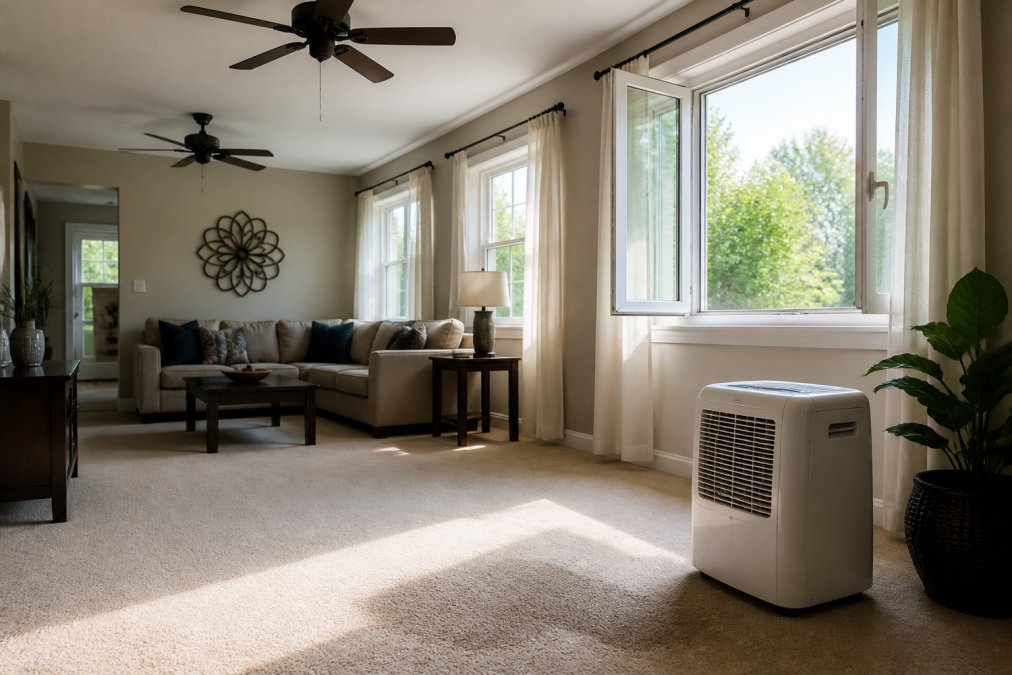
Professional carpet cleaners often leave high-velocity air movers on-site specifically for this purpose. Run them continuously until the carpet feels dry to the touch.
Control Humidity and Temperature
Reducing indoor humidity removes the biggest barrier to evaporation. Dehumidifiers pull moisture from the air, creating a drying gradient that pulls water out of carpet fibers. Air conditioning serves double duty: it cools the air and removes humidity as a byproduct. If you have central air, run it during and after cleaning.
Avoid closing doors and windows if outdoor conditions are drier than indoors. Sealed spaces trap moist air, extending drying time. Open the space to drier outdoor air whenever possible.
Can You Walk on Wet Carpet After Cleaning
Walking on freshly cleaned carpet before it's dry risks re-soiling and uneven drying. After very low moisture (VLM) cleaning, light foot traffic is generally acceptable immediately. After hot water extraction cleaning, it's typically advisable to wait 4-6 hours before light foot traffic.
If you must walk on the carpet before it's fully dry, wear clean socks or shoe covers to avoid transferring dirt. Heavy furniture should stay off the carpet for at least 24 hours after cleaning, as furniture legs can create permanent indentations in wet carpet.
Risks of Carpets Staying Wet Too Long
Extended moisture exposure poses real health and structural risks. Carpets that stay wet for more than 24 hours increase the risk of mold development by 80%, according to Ionator Cleaning Solutions. Mold growth can begin within 24-48 hours in consistently damp conditions, particularly in humid environments. The Institute of Inspection, Cleaning and Restoration Certification (IICRC) S100 Standard for Professional Carpet Cleaning addresses moisture management as an explicit quality benchmark.
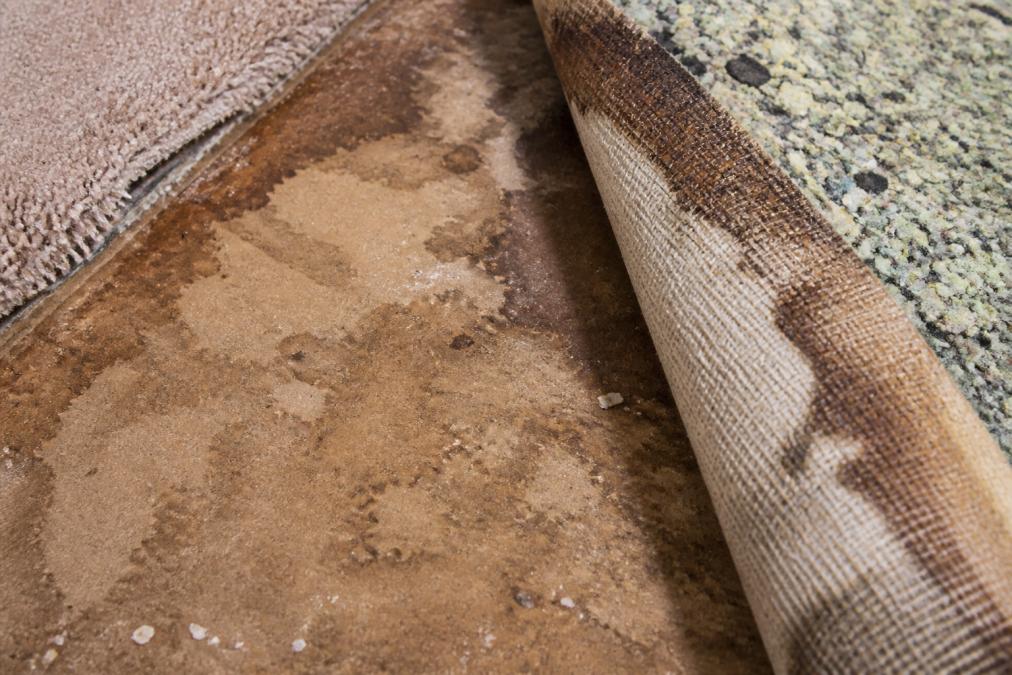
Musty odors develop when moisture remains trapped in carpet and padding, indicating microbial activity and warning of conditions that favor mold growth. Wet carpet also attracts dirt and creates sticky conditions that promote re-soiling. Prolonged moisture can damage the carpet backing and padding, potentially requiring replacement of these layers and causing structural issues in wooden subfloors.
How to Remove Red Wine Stain From Carpet Naturally
Wine stains demand immediate action. Blot the stain immediately with a clean, white cloth, don't rub, which drives the wine deeper into fibers. Mix equal parts white vinegar and water, then apply this solution to the stain and blot again. For stubborn stains, sprinkle baking soda on the damp area and let it sit for 30 minutes before vacuuming.
Club soda is another effective option. The carbonation helps lift the stain from fibers. If these methods don't fully remove the stain, professional cleaning becomes necessary. When you schedule professional service after attempting natural treatments, inform the technician about what you've already applied.
After professional cleaning for wine stains, follow all drying recommendations carefully. Wine stains can resurface if residual moisture isn't properly managed during drying, as moisture can reactivate wine pigments.
| Method | Application | Drying Time | Best For |
|---|---|---|---|
| Vinegar and Water | Spray and blot | 2-4 hours | Fresh stains, light discoloration |
| Baking Soda | Sprinkle, wait, vacuum | 4-6 hours | Set-in stains, odor removal |
| Club Soda | Pour and blot | 2-3 hours | Fresh spills, immediate action |
| Professional Cleaning | Hot water extraction | 6-12 hours | Stubborn stains, deep cleaning |
Getting your carpets professionally cleaned is one of the smartest investments in your home's appearance and health. The drying process that follows is equally important. By understanding how long for carpets to dry after cleaning and taking active steps to accelerate drying, you protect your carpet investment and ensure the cleaning delivers lasting results.
Sanctified Carpet & Upholstery Cleaning combines professional expertise with personable service to deliver the deep clean your carpets deserve. Our team understands the drying challenges specific to your local climate and carpet type, and we provide guidance on speeding up the process in your home. Contact us to discuss how our professional cleaning services can transform your home.
Frequently Asked Questions
How long should you stay off carpet after cleaning?
After hot water extraction cleaning, wait 4-6 hours before light foot traffic. Very low moisture (VLM) cleaning allows immediate light use. Heavy foot traffic should wait until the carpet is fully dry (6-12 hours for most methods). Walking on damp carpet can re-soil fibers and slow evaporation. If you must cross the carpet, wear clean socks or shoe covers to minimize dirt transfer.
How to dry carpet quickly after cleaning?
Increase airflow by opening windows, running ceiling fans, and positioning portable fans toward the damp areas. Use air conditioning or a dehumidifier to lower relative humidity below 60%. Ensure HVAC systems are operating to circulate air throughout your home. Avoid closing doors to cleaned rooms, which traps moisture. These steps can cut drying time by up to 30%. Low-moisture cleaning methods also dry faster (1-4 hours) than hot water extraction.
Does humidity affect carpet drying time?
Yes, humidity significantly impacts drying. High humidity slows evaporation because the air cannot absorb additional moisture from the carpet. In humid climates or humid seasons, drying can extend to 10-12 hours or longer. The EPA recommends maintaining indoor relative humidity below 60% to inhibit mold growth. Using a dehumidifier and improving ventilation helps compensate for high outdoor humidity and accelerates the drying process.
What happens if carpet stays wet for more than 24 hours?
Mold growth can begin within 24-48 hours in consistently damp conditions, especially in humid environments. Extended moisture increases the risk of mold by 80% and can cause musty odors, carpet discoloration, and subfloor damage. The IICRC S100 Standard emphasizes moisture management as a quality benchmark. If carpet remains noticeably damp beyond 24 hours, increase airflow or seek professional guidance to prevent health issues and structural damage.
This article was written using GrandRanker
Frequently Asked Questions
How long should you stay off carpet after cleaning?
After hot water extraction cleaning, wait 4-6 hours before light foot traffic. Very low moisture (VLM) cleaning allows immediate light use. Heavy foot traffic should wait until the carpet is fully dry (6-12 hours for most methods). Walking on damp carpet can re-soil fibers and slow evaporation. If you must cross the carpet, wear clean socks or shoe covers to minimize dirt transfer.
How to dry carpet quickly after cleaning?
Increase airflow by opening windows, running ceiling fans, and positioning portable fans toward the damp areas. Use air conditioning or a dehumidifier to lower relative humidity below 60%. Ensure HVAC systems are operating to circulate air throughout your home. Avoid closing doors to cleaned rooms, which traps moisture. These steps can cut drying time by up to 30%. Low-moisture cleaning methods also dry faster (1-4 hours) than hot water extraction.
Does humidity affect carpet drying time?
Yes, humidity significantly impacts drying. High humidity slows evaporation because the air cannot absorb additional moisture from the carpet. In humid climates or humid seasons, drying can extend to 10-12 hours or longer. The EPA recommends maintaining indoor relative humidity below 60% to inhibit mold growth. Using a dehumidifier and improving ventilation helps compensate for high outdoor humidity and accelerates the drying process.
What happens if carpet stays wet for more than 24 hours?
Mold growth can begin within 24-48 hours in consistently damp conditions, especially in humid environments. Extended moisture increases the risk of mold by 80% and can cause musty odors, carpet discoloration, and subfloor damage. The IICRC S100 Standard emphasizes moisture management as a quality benchmark. If carpet remains noticeably damp beyond 24 hours, increase airflow or seek professional guidance to prevent health issues and structural damage.