 how-to
How Often to Professionally Clean Carpets in High Traffic Areas
Table of Contents
- Why High Traffic Areas Need a Different Cleaning Schedule
- Recommended Professional Cleaning Frequency for High Traffic Areas
- Signs Your Carpet Needs Professional Cleaning
- How Frequent Cleaning Affects Carpet Warranty and Lifespan
- Carpet Maintenance Tips for High Traffic Areas Between Cleanings
- Understanding the Cost of Whole House Carpet Cleaning
- Seasonal Cleaning Schedule for High Traffic Carpet
- Conclusion: Build a Schedule That Protects Your Carpet
- Frequently Asked Questions
Last Updated: September 7, 2026
Why High Traffic Areas Need a Different Cleaning Schedule
The Carpet and Rug Institute recommends professional cleaning every 12 to 18 months for standard household carpets, but that baseline falls apart where feet actually land. Hallways, entryways, living rooms, and stair landings collect soil, grit, and moisture at a rate that regular vacuuming simply cannot keep up with. Those particles grind against carpet fibers with every step, which is why high traffic carpet cleaning is not a luxury upgrade but a maintenance necessity.
The difference is soil accumulation, not age. Industry guidance from Modernistic's residential cleaning recommendations suggests that high-traffic areas in heavy-use homes need professional intervention every 3 to 6 months, with a full-home cleaning twice per year.
The disconnect happens because most homeowners treat carpet cleaning as an annual event. That schedule works for spare rooms. It fails where life happens.
Recommended Professional Cleaning Frequency for High Traffic Areas
High traffic carpet cleaning frequency depends on who walks across the floor and how often. For general residential zones like living rooms and hallways, professional cleaning every 6 to 12 months protects both appearance and fiber integrity, according to Michael's Flooring Outlet cleaning guidance.
| Area Type | Recommended Frequency | Primary Concern |
|---|---|---|
| Standard household carpets | Every 12-18 months | Routine soil buildup |
| Residential high-traffic zones | Every 6-12 months | Visible wear, matting |
| Homes with kids or pets | Every 3-6 months | Odors, allergens, stains |
| Commercial entryways | Every 1-3 months | Heavy soil, rapid wear |
Residential Homes With Kids and Pets
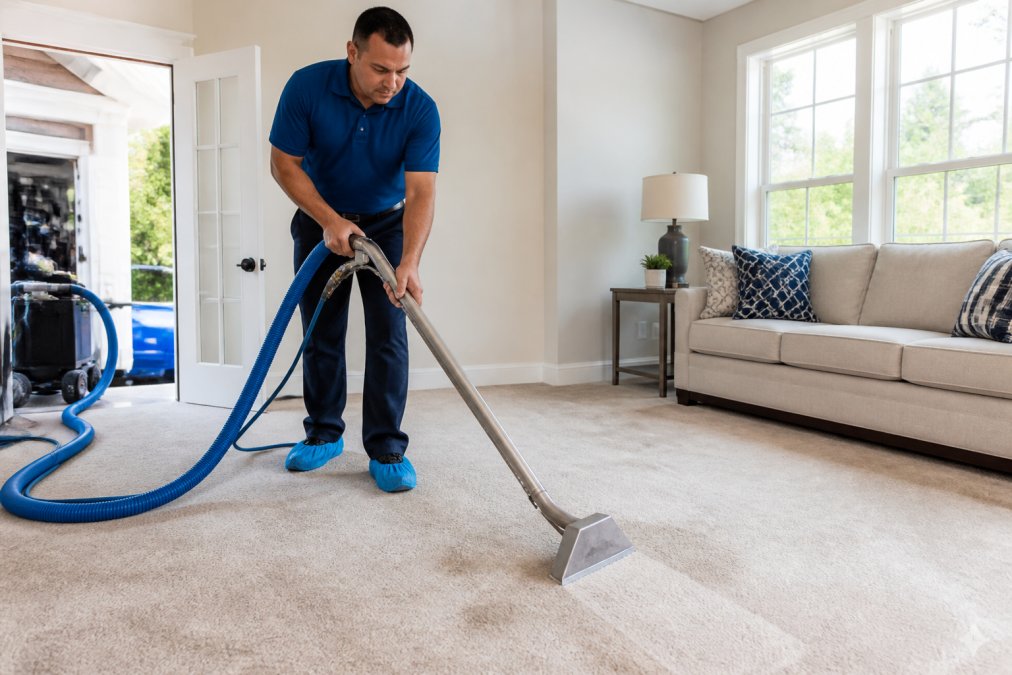
Homes with children under five and pets operate on a different timeline entirely. Stanley Steemer's guidance, published in Stanley Steemer's carpet cleaning frequency guide, recommends professional cleaning at least every 6 months for households with kids, pets, or heavy foot traffic. Pet dander, tracked-in dirt, and the occasional accident accelerate soil accumulation and create odor issues that surface cleaning cannot resolve.
If your carpet smells like pet urine despite regular spot cleaning, the issue is likely saturated padding beneath the surface. Professional extraction reaches that depth. Waiting longer than 6 months in these homes risks permanent fiber damage and odors that no amount of DIY treatment will reverse.
Commercial Spaces and Entryways
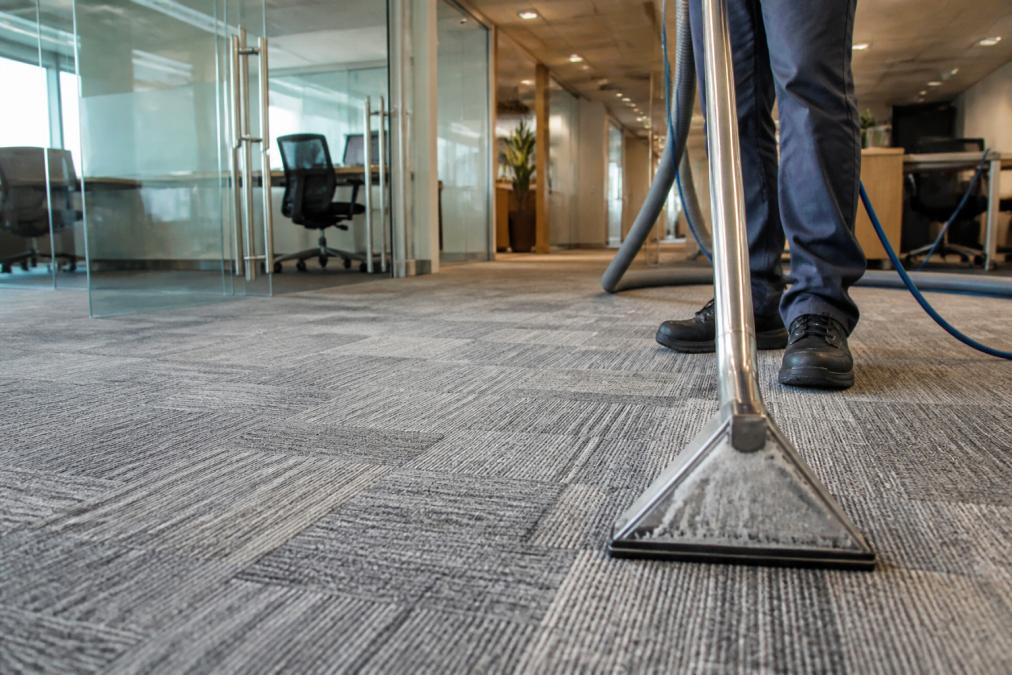
Commercial environments demand a completely different calculation. Walkway maintenance in retail stores and office lobbies sees foot traffic measured in hundreds of passes per day, not dozens. Sweep Scrub's commercial carpet standards recommends deep cleaning commercial entranceways and walkways 2 to 4 times per year, while high-traffic business settings such as entrances and common spaces may need monthly to quarterly professional cleaning.
The cost of delaying is visible: darkened paths through open areas, flattened carpet pile, and premature replacement. Commercial carpet is a capital asset, and preventative maintenance protects that investment.
Signs Your Carpet Needs Professional Cleaning
Beyond the calendar, your carpet sends clear signals when it needs professional attention. The most obvious is visible traffic lanes: darkened paths through open areas where the carpet pile has lost its original color and texture. Stains that resist spot cleaning, musty odors, and a gritty feeling underfoot despite vacuuming all point to embedded soil that standard equipment cannot extract.
Allergy sufferers often notice symptoms worsening before they connect the cause. Carpet fibers trap dust mites, pollen, and dander, and when those load exceeds what vacuuming removes, indoor air quality suffers. If you vacuum regularly and still see dust resettle within hours, professional extraction is overdue.
How Frequent Cleaning Affects Carpet Warranty and Lifespan
Most carpet manufacturers write professional cleaning into their warranty terms as a condition of coverage, not a suggestion. The standard language across major brands like Shaw, Mohawk, and Anderson Tuftex requires professional hot water extraction at least every 12 to 18 months. Miss that window and a warranty claim for premature wear, delamination, or fiber fraying can be denied outright, regardless of the carpet's actual condition.
The reasoning is mechanical. Carpet warranties cover defects in manufacturing, not damage from abrasive soil. Every footstep grinds tracked-in grit against the fiber face. Over time, that abrasion cuts microscopic notches into the yarn, dulling the luster and eventually breaking individual filaments. A carpet that fails from soil abrasion looks worn, not defective. Manufacturers use the cleaning interval as proof you protected the product from that failure mode.
What Warranty Documentation Actually Requires
To keep a claim viable, manufacturers typically require proof of professional cleaning. That means retaining invoices or receipts that show the date, the company name, and the method used. A DIY rental machine does not count. Neither does a vague recollection of having someone out 'at some point.' If you cannot document the cleaning, the manufacturer's claims department will treat it as never having happened.
Some manufacturers also specify the cleaning method. Hot water extraction, commonly called steam cleaning, is the accepted standard. Dry cleaning or encapsulation methods may not satisfy the warranty language, so confirm the method with your provider before booking. A reputable cleaning company will know the requirements for major brands and can provide the documentation you need.
The Lifespan Math Beyond the Warranty
Warranty compliance and actual lifespan are related but not identical. The Carpet and Rug Institute's cleaning guidelines confirm that professional extraction every 12 to 18 months removes embedded soil that vacuuming cannot reach. But in high-traffic zones, that interval is a floor, not a ceiling. Waiting the full 18 months in a hallway that sees daily foot traffic allows abrasive particles to remain embedded for hundreds of additional passes.
A practical pattern is to align professional cleaning with the warranty minimum for low-traffic areas, then shorten the interval for high-traffic zones. For example, a home with a warranty-required 12-month cleaning might schedule full-home service annually, but add a targeted cleaning of entryways and hallways at the 6-month mark. This dual-track approach satisfies the warranty while protecting the areas that wear fastest.
Fiber-Specific Wear Patterns
Different carpet fibers respond to soil abrasion differently, which affects how aggressively you should schedule cleanings. Nylon, the most common residential fiber, is resilient but shows traffic lane wear when soil embeds at the base of the tuft. Polyester resists staining but is softer and mats down faster under foot traffic, meaning it benefits from more frequent extraction. Wool is naturally soil-resistant but delicate; over-cleaning with harsh chemicals can damage it, so a gentler, less frequent schedule with a wool-safe solution is appropriate. Triexta, a newer fiber, behaves similarly to nylon but with a softer hand. Knowing your fiber type helps you calibrate the interval rather than relying on a one-size-fits-all number.
If you are unsure what fiber your carpet is, check the backing or the original purchase paperwork. The fiber content is typically printed there. That information lets you and your cleaning provider set a schedule that protects both the warranty and the material itself.
Carpet Maintenance Tips for High Traffic Areas Between Cleanings
Professional cleaning handles the deep soil, but daily habits determine how long those results last. A consistent maintenance routine reduces the grit load that reaches carpet fibers and extends the window between professional visits. The right routine depends on your carpet material, your household's allergen load, and the specific traffic patterns in your home.
Vacuuming Frequency That Actually Helps
Vacuuming high-traffic areas 2 to 4 times per week is the standard for heavy-use homes, per Modernistic's maintenance recommendations. Weekly vacuuming is not sufficient for entryways and hallways. Use a slow pass with a vacuum that has a brush roll, not just suction, to lift embedded particles before they abrade fibers.
The brush roll matters more than most homeowners realize. A vacuum with only suction lifts surface debris but leaves the abrasive grit that has settled below the pile. A rotating brush agitates the fibers, loosening that embedded soil so the suction can capture it. For high-traffic zones, make multiple slow passes in different directions to catch grit from all angles.
Material-Specific Daily Care
Your carpet fiber dictates how aggressive your between-cleaning routine should be. Nylon carpets tolerate frequent vacuuming and occasional spot treatments well. Polyester and olefin are more prone to matting, so use a vacuum with adjustable height to avoid crushing the pile. Wool carpets are the most delicate; use a vacuum without a beater bar, or turn the brush roll off, to prevent fiber damage. If you have wool, also avoid alkaline spot cleaners, which can yellow the fibers over time.
Allergen Reduction Between Professional Visits
For households with allergy sufferers, the between-cleaning routine is about more than appearance. Carpet fibers trap dust mites, pollen, pet dander, and mold spores. When those loads exceed what vacuuming removes, indoor air quality suffers and symptoms flare. A HEPA-filter vacuum captures those particles rather than recirculating them into the air. If you vacuum regularly and still see dust resettle within hours, your vacuum's filtration may be the weak link.
Beyond vacuuming, controlling humidity helps. Dust mites thrive in environments above 50% relative humidity. Using a dehumidifier in humid months keeps mite populations in check. Washing pet bedding weekly and grooming pets outdoors reduces the dander load that lands on carpets. These steps do not replace professional extraction, but they slow the re-accumulation of allergens between visits.
Spot Cleaning and Entryway Protection
Address spills immediately with blotting, never rubbing, which pushes liquid deeper into the padding. For protein-based stains like blood or milk, use cold water; hot water sets the protein. For oil-based stains, a solvent-based cleaner is required. Test any spot cleaner on an inconspicuous area first, especially on wool or delicate fibers.
Place walk-off mats at every exterior door and clean them weekly. These mats capture the majority of tracked-in soil before it reaches your carpet. A simple routine of removing shoes indoors also cuts the soil load dramatically. For commercial entryways, consider a two-mat system: a coarse scraper mat outside and a softer absorbent mat inside. This combination removes both coarse grit and moisture, protecting the carpet beyond the entry zone.
Understanding the Cost of Whole House Carpet Cleaning
The cost of whole house carpet cleaning varies significantly based on home size, number of rooms, and the cleaning method used. Rather than quoting a single figure, reputable providers price each job individually after assessing square footage and condition. Many homeowners compare a few local quotes before committing, and bundle deals that combine carpet with upholstery cleaning often deliver better value than separate bookings.
Send us a message for a quote tailored to your home.
Seasonal Cleaning Schedule for High Traffic Carpet
Aligning professional cleanings with seasonal shifts protects carpets when they need it most. Winter brings salt, sand, and moisture that stain and mat fibers. Spring cleaning removes that accumulated residue before summer's increased foot traffic. Fall cleaning prepares carpets for the holidays, when guests and gatherings multiply the load.
A practical rhythm: professional cleaning in early spring and early fall for high-traffic homes, with commercial spaces scheduled quarterly. This cadence catches the worst seasonal soil before it sets.
Conclusion: Build a Schedule That Protects Your Carpet
High traffic carpet cleaning is not a one-size-fits-all decision. Match your schedule to your household: every 6 to 12 months for general wear, every 3 to 6 months for homes with kids and pets, and monthly to quarterly for commercial entryways. Track your cleanings, keep documentation for warranty claims, and address stains before they become permanent.
Sanctified Carpet & Upholstery Cleaning provides professional carpet cleaning and expert upholstery detailing for residents in Toms River and Ocean County. Our very reasonable prices and bundle deals make regular maintenance feasible, and our professional, personable team delivers meticulous care for your flooring and furniture. Send a message to schedule your cleaning and protect your carpet investment.
Frequently Asked Questions
How often should a carpet be professionally cleaned?
For standard household carpets, professional cleaning every 12 to 18 months is the industry baseline, according to The Carpet and Rug Institute. But high-traffic areas like living rooms, hallways, and entryways need more frequent attention. In homes with kids, pets, or heavy foot traffic, schedule professional cleaning at least every 6 months. Commercial entranceways and walkways should be deep cleaned 2 to 4 times per year to prevent visible soil buildup.
Can frequent professional cleaning damage carpet fibers?
No, when done properly, professional cleaning does not damage carpet fibers. In fact, the opposite is true: embedded dirt and grit act like sandpaper and wear down fibers over time. The Carpet and Rug Institute notes that deep cleaning every 12 to 18 months removes soil that standard vacuuming cannot reach. Professional hot water extraction uses controlled pressure and extraction that leaves carpets clean without over-wetting, protecting both fibers and the carpet backing.
What are the signs your carpet needs professional cleaning?
Watch for visible traffic lanes, darkening in walkways, and matted carpet pile that won't fluff back up. Stains that resist spot cleaning, musty odors, and increased allergy symptoms indoors also signal it's time. If you run a damp white cloth over the carpet and it picks up gray dirt, that soil is grinding into the fibers. High-traffic areas typically show these signs before the rest of the home, so check entryways and hallways first.
How long should carpet last in high-traffic areas?
Quality carpet in high-traffic residential zones typically lasts 5 to 7 years with consistent maintenance, while low-traffic areas can last 10 to 15 years. Professional cleaning every 3 to 6 months for heavy-use areas removes abrasive soil that cuts fibers and flattens the pile. Skipping professional maintenance voids many manufacturer warranties, which usually require documented cleaning every 12 to 18 months. Protecting entryways with mats and vacuuming 2 to 4 times weekly extends carpet life noticeably.